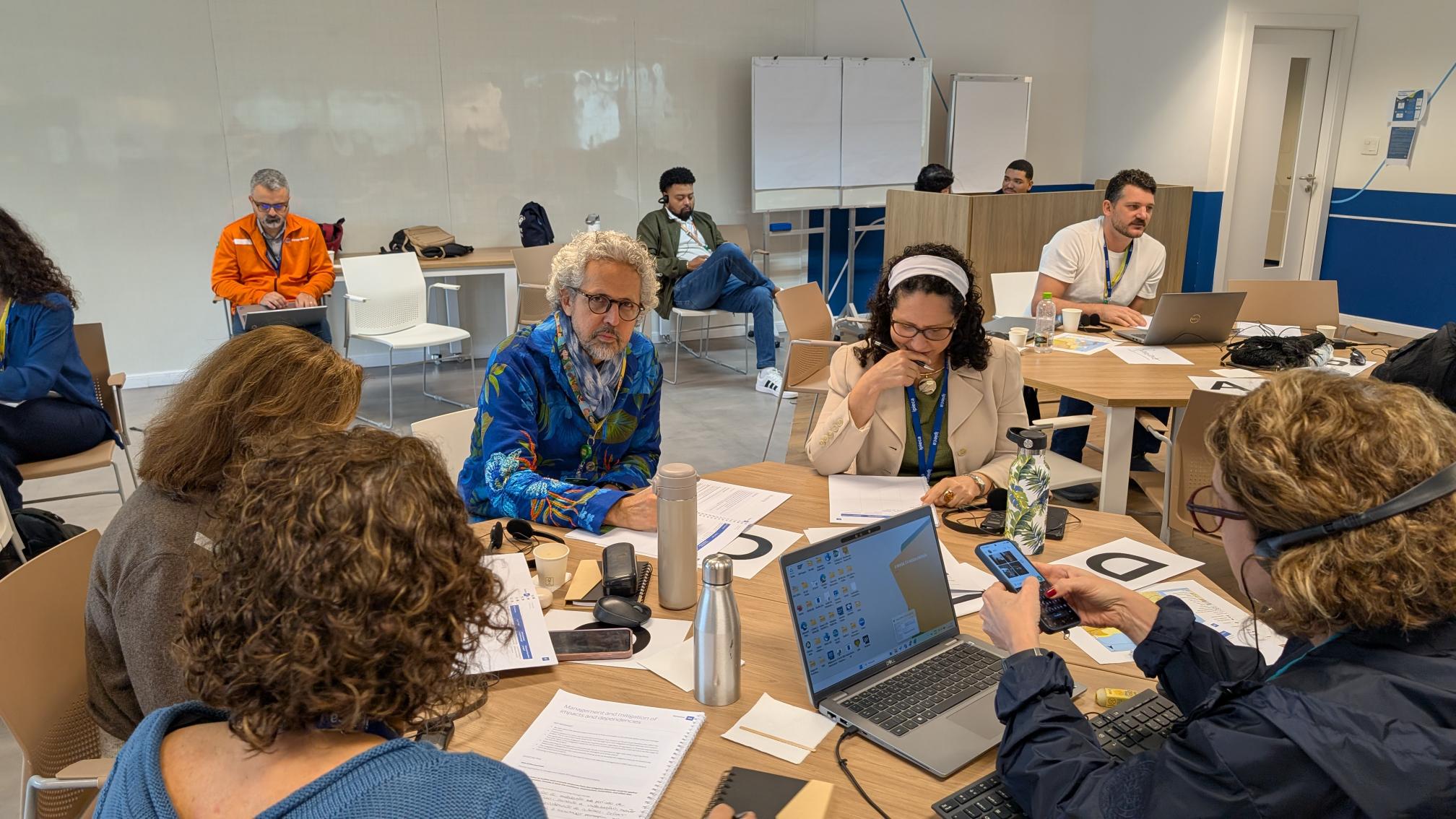
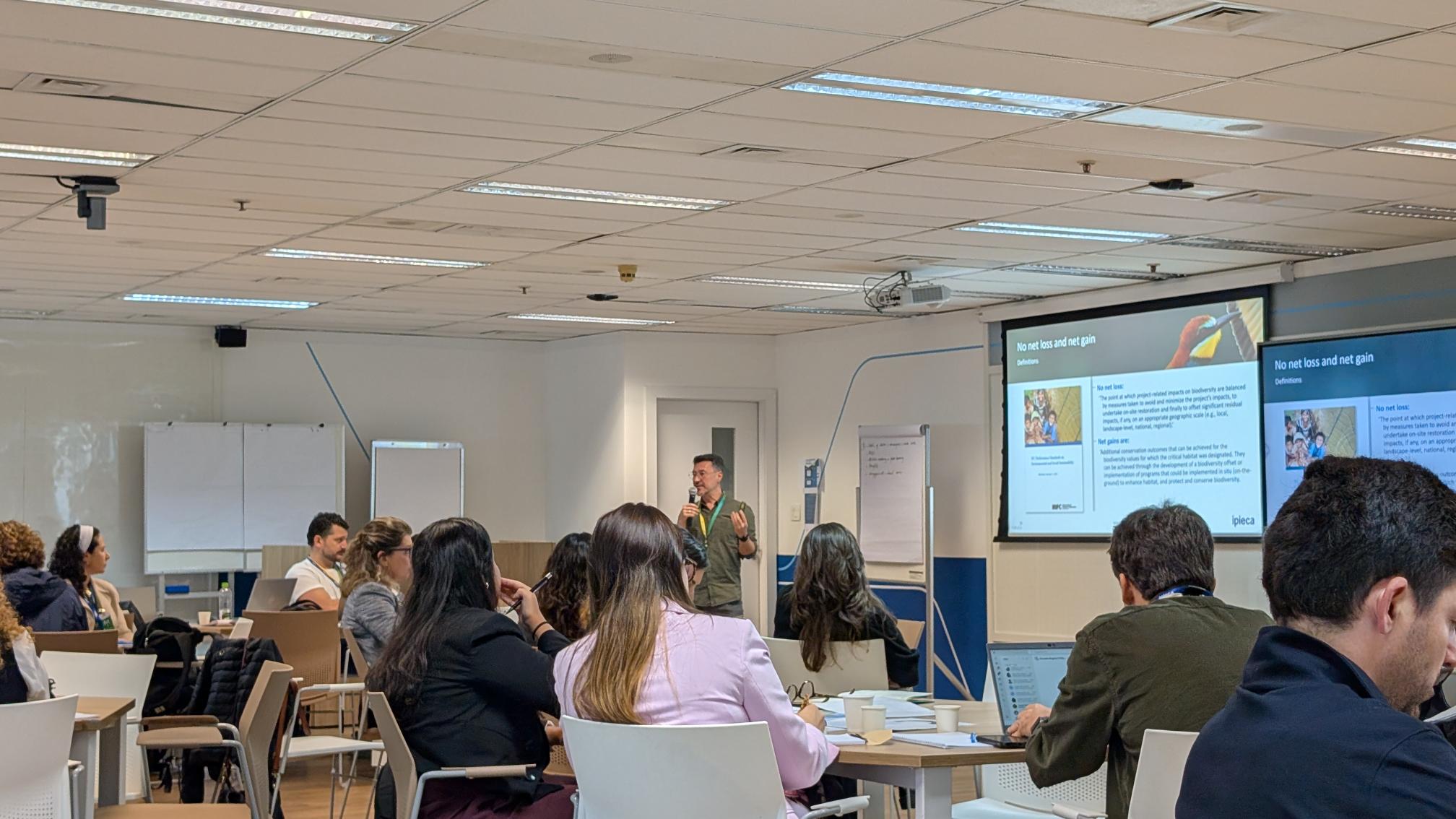
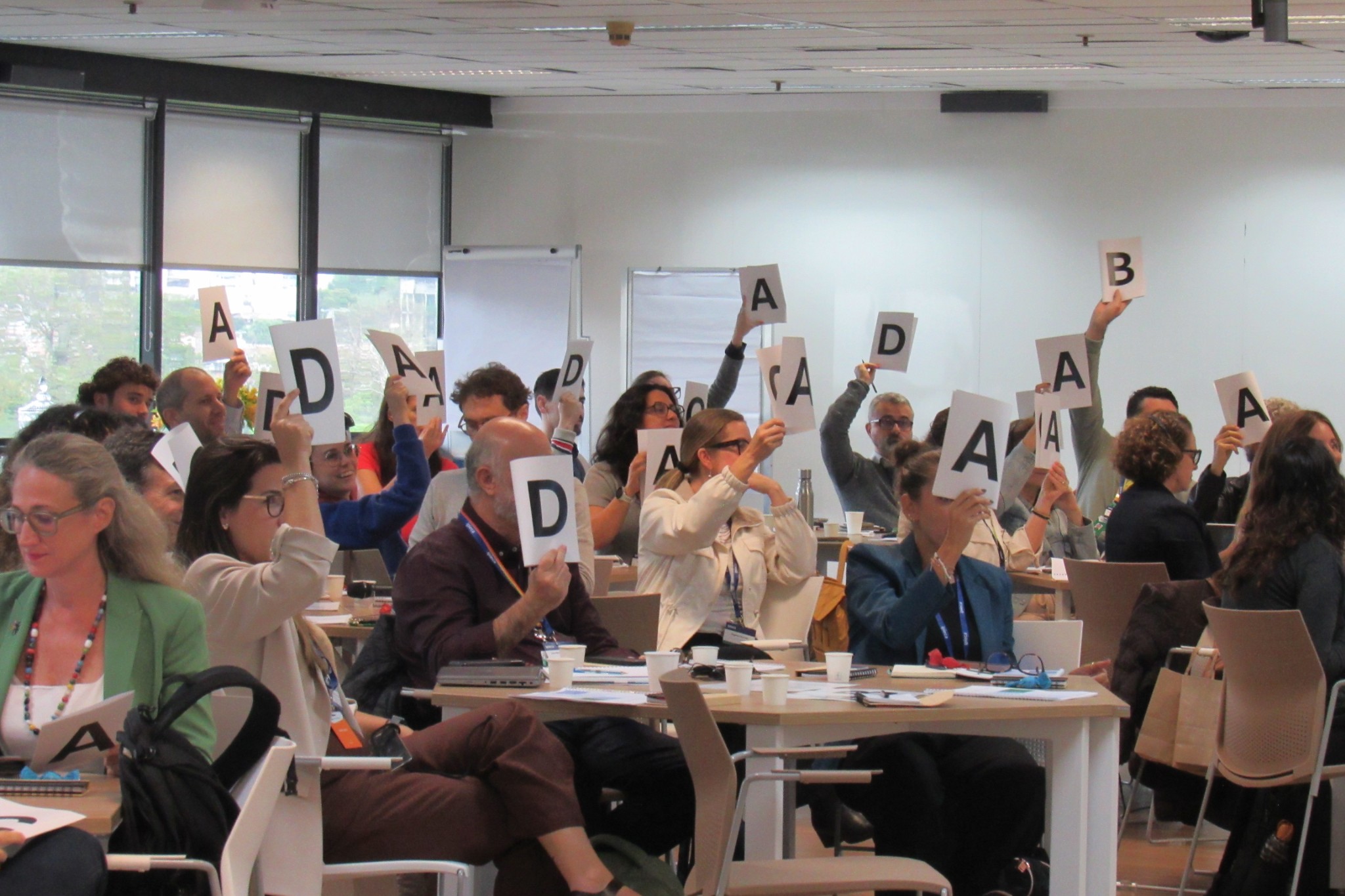
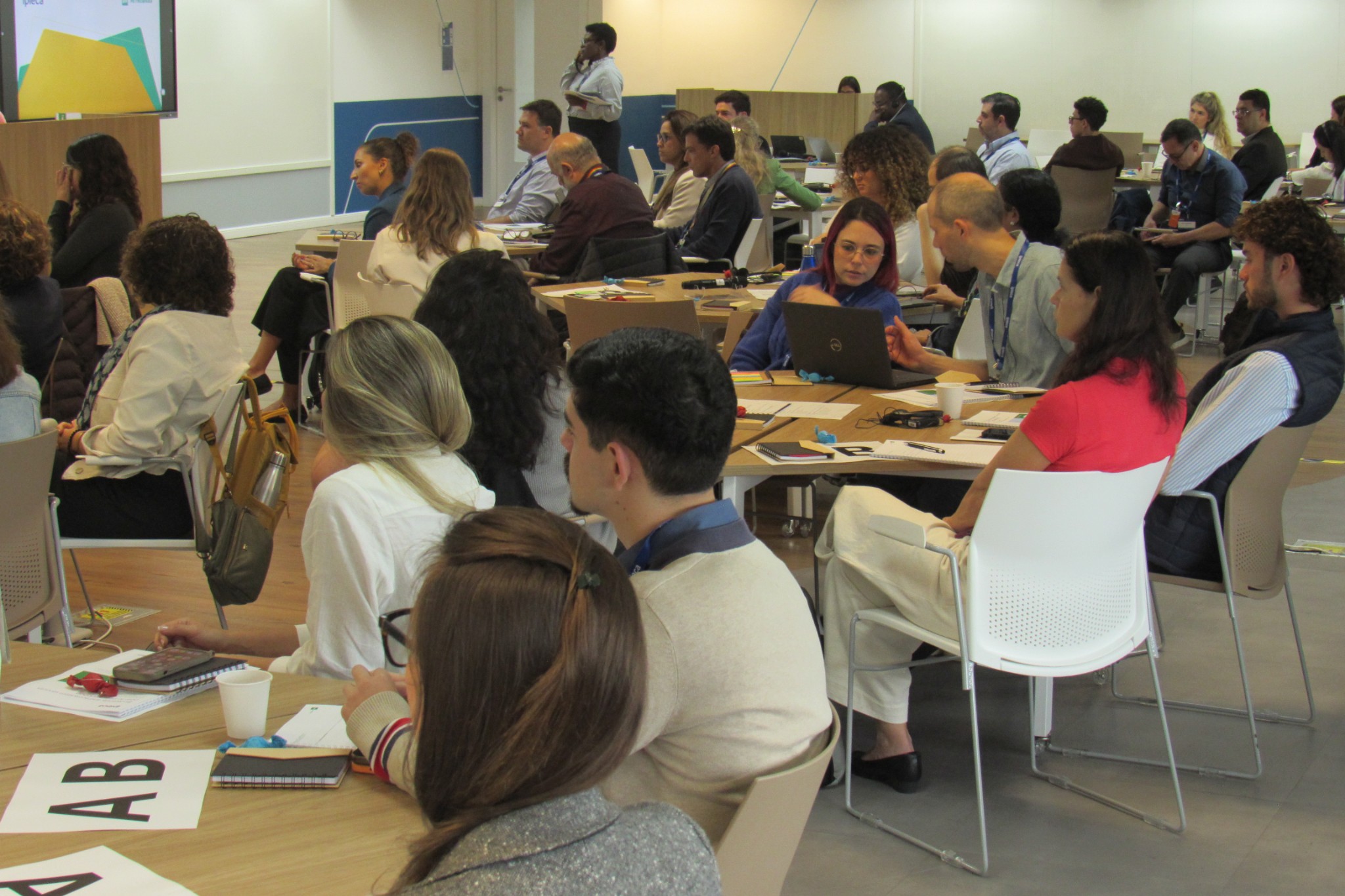
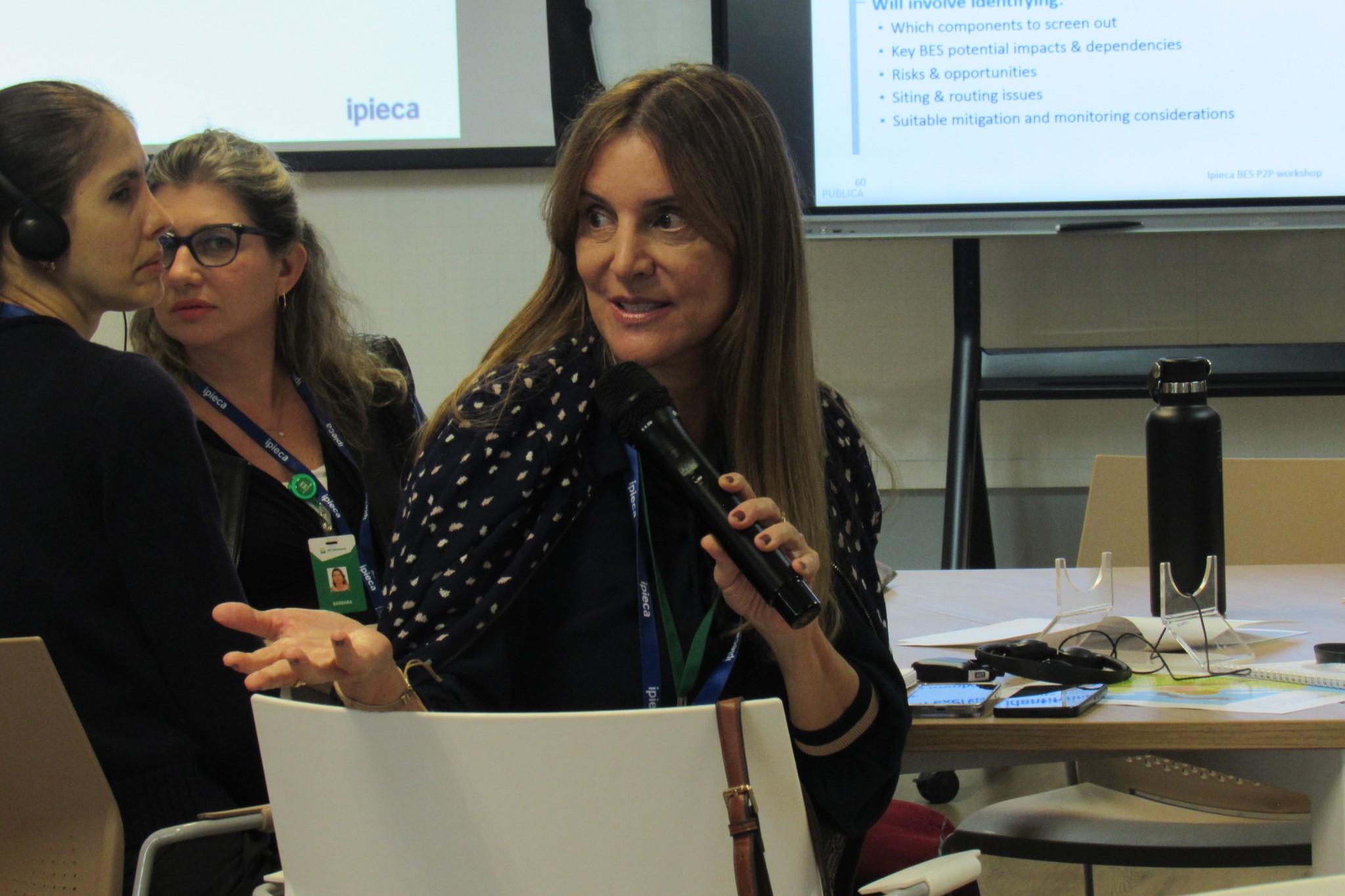
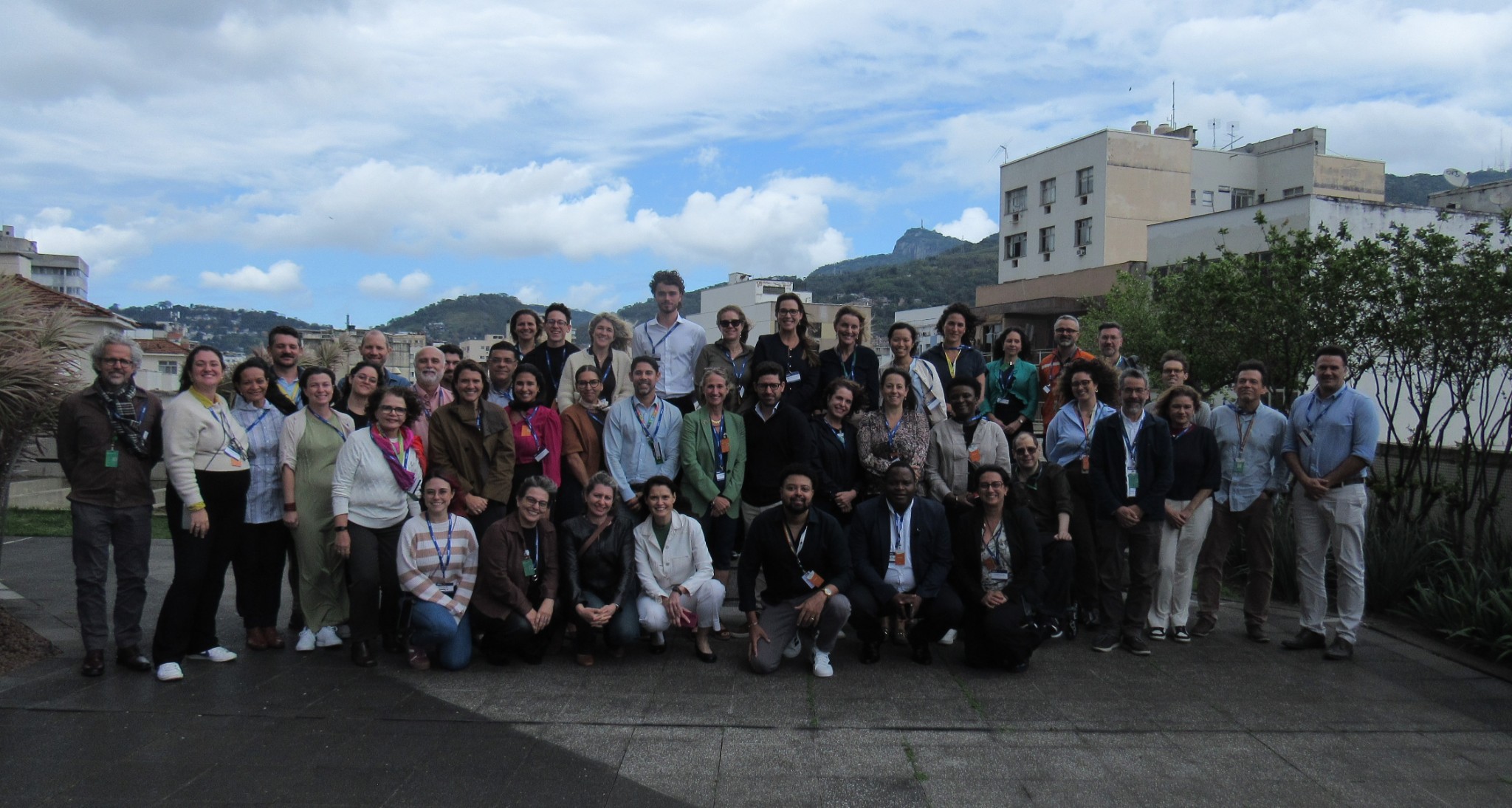
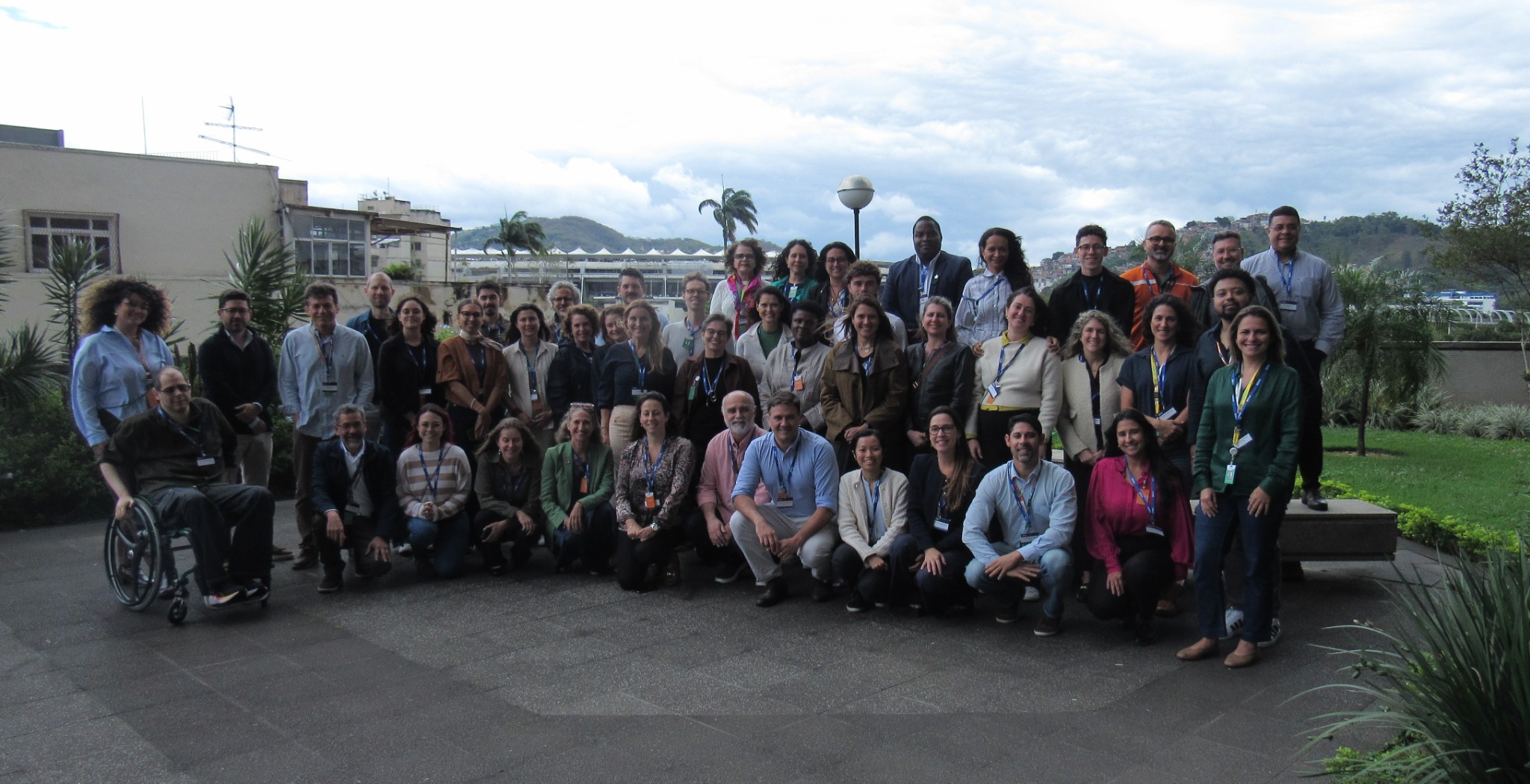
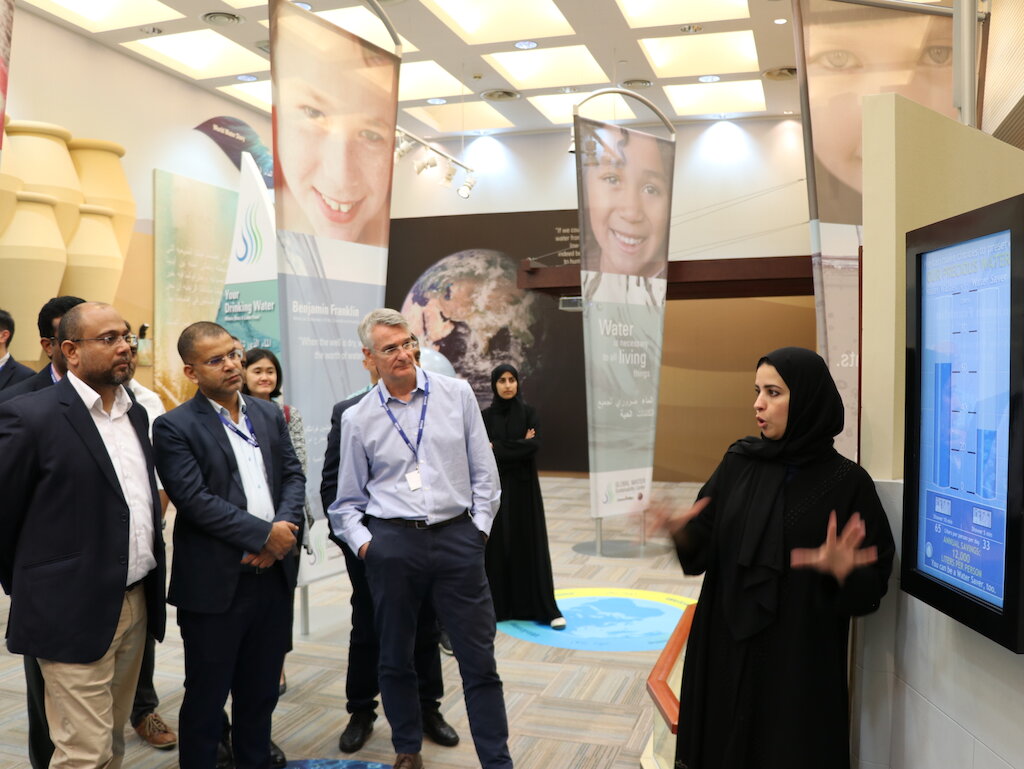
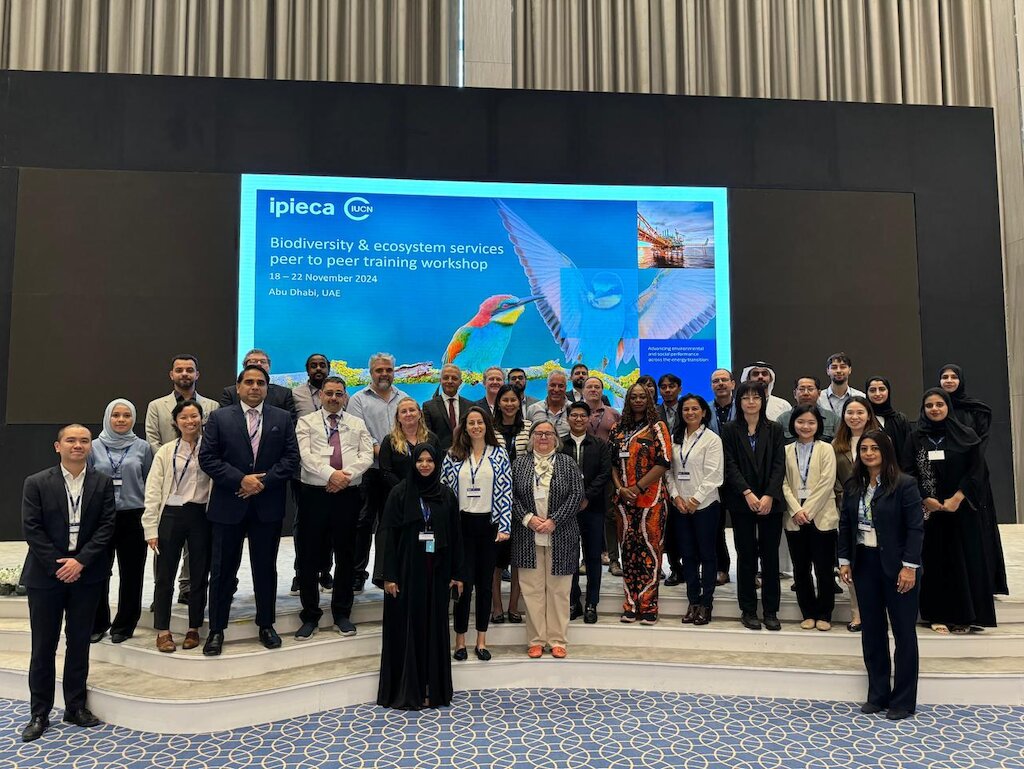
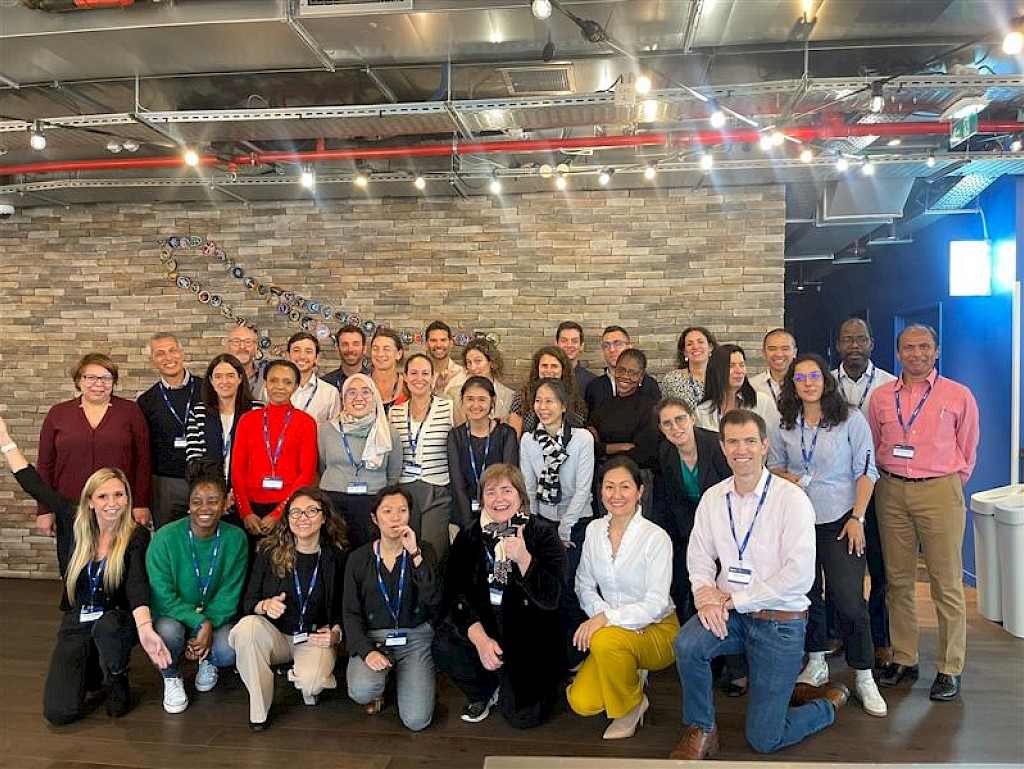
As part of Ipieca’s role to convene industry experts to foster knowledge sharing and support capacity building, the 7th Ipieca biodiversity peer-to-peer workshop, held in Rio de Janeiro, brought together 60 biodiversity specialists from around 16 organisations. The workshop was run in both English and Portuguese with simultaneous translation and available to non-Ipieca members.
Hosted by Petrobras and facilitated by IUCN, the workshop included a mix of interactive presentations, group discussions, hypothetical case studies and activities. These supported participants to develop a deeper understanding of biodiversity and ecosystem (BES) concepts, while providing an opportunity to share perspectives, insights and challenges. The workshop was focused on providing practical knowledge and skills which participants can take back to and embed in their companies’ operations and management systems.
Bringing the workshop concepts to life
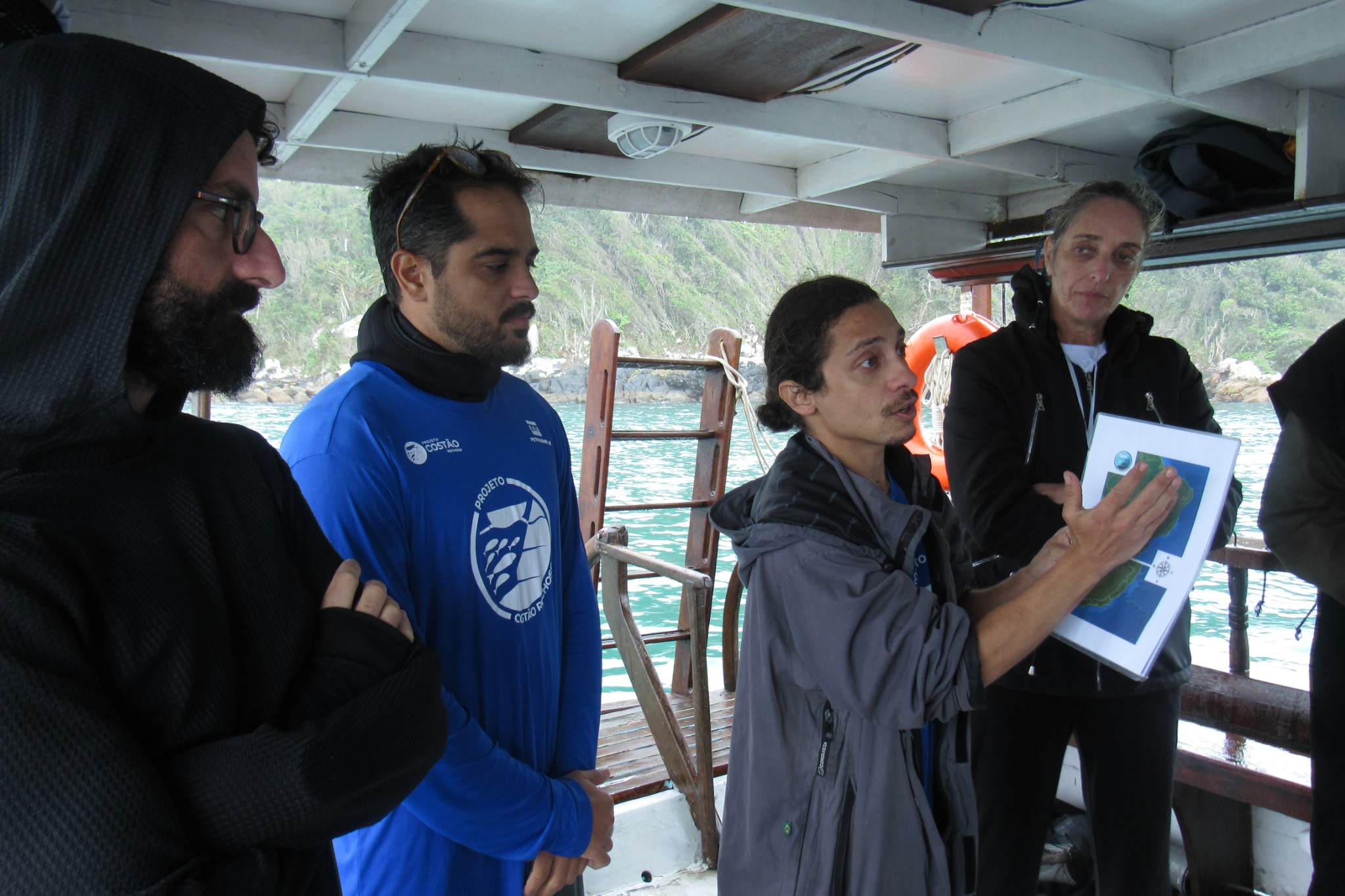
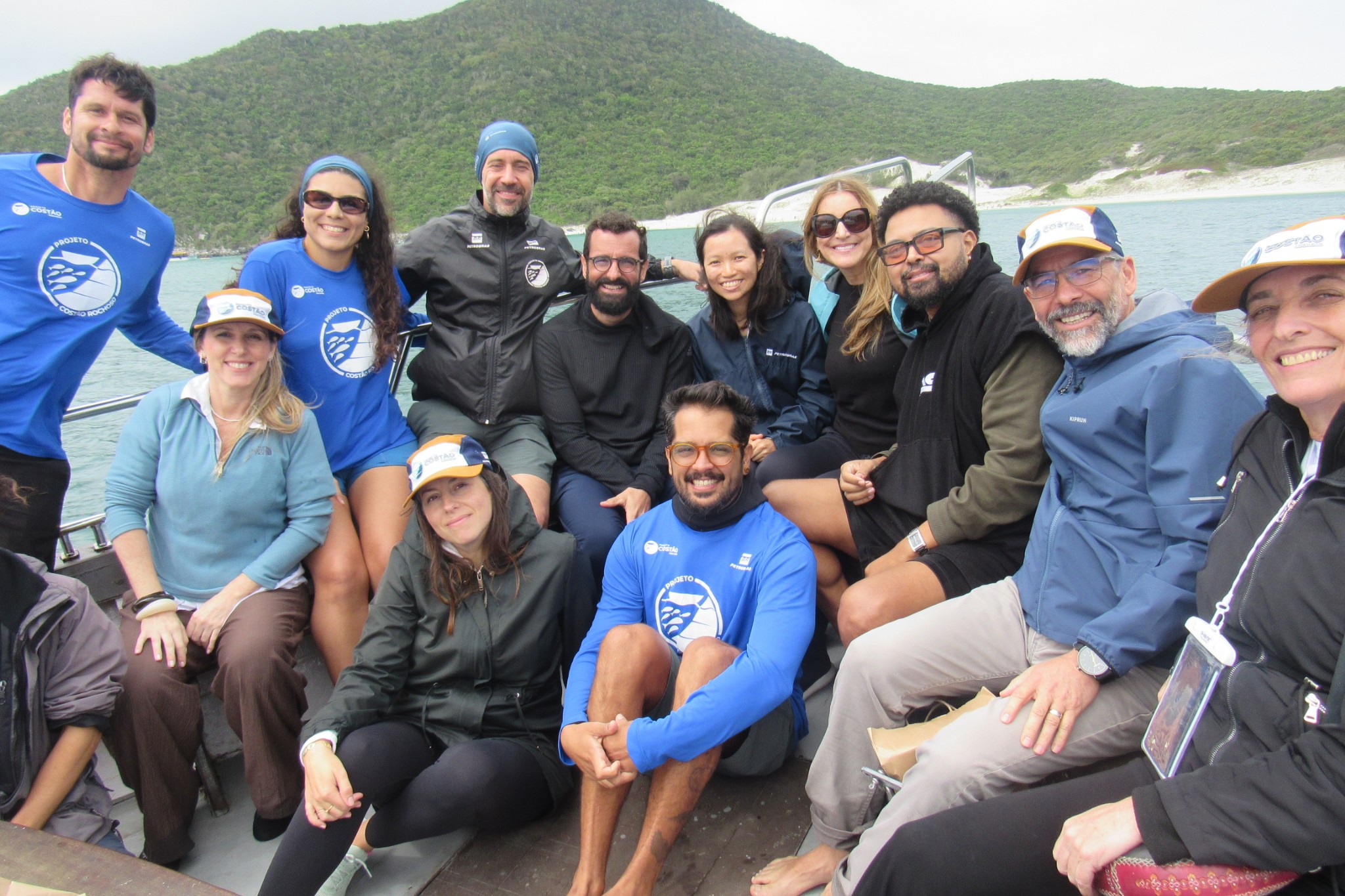
The three-day workshop concluded with visits to the Coastal Islands Monitoring project (PMIC) and the Rocky Shore project in Arraial do Cabo, with participants choosing one of the two.
Established under Ibama’s licensing requirements for Phase 3 of the Santos basin pre-salt hub, PMIC monitors potential impacts from Petrobras’ offshore activities on marine biodiversity in three federal protected areas. Since 2022, Instituto Mar Adentro has monitored benthic communities, invasive species, seabirds and cetaceans under a cooperation agreement with Petrobras.
Supported by Petrobras since 2023, the Rocky Shore project monitors reef communities and ecological change along Rio de Janeiro’s coast, including impacts from climate change and human activity. It also assesses ecosystem services and works with local communities on education, coastal litter, skills and sustainable livelihoods to support conservation and responsible tourism.
The field visits brought the workshop’s BES concepts to life, demonstrating how monitoring, stakeholder collaboration and adaptive management can help assess impacts, protect biodiversity and support responsible operations.
Petrobras Biodiversity Senior Advisor and Ipieca-IOGP BES Working Group Chair Jane Mauro said: ‘Hosting the Ipieca biodiveristy peer-to-peer workshop in Rio de Janeiro has been truly inspiring—above all because of the people involved. The strength of the human capital among participants enabled a rich exchange of knowledge rooted in real-world experience and constructive dialogue. Integrating nature into decision-making is key to long-term business sustainability, and this event marks an important milestone for the region. Thank you to everyone who contributed with such thoughtfulness and energy.’
What topics were covered by the workshop?
In addition to IUCN facilitation, the workshop sessions were led by biodiversity experts from the industry ExxonMobil, GNA, Petrobras, Petronas, Shell, Total Energies, Vast Infrastructure, with the topics covered including:
- The business case for BES management
- Integrating BES management into governance and business processes
- Overview of the environmental, social and health impact assessment process and the benefits of stakeholder engagement
- Screening
- Scoping
- Baseline assessment
- Assessment, management and mitigation of potential impacts and dependencies
- Monitoring
- Reporting and disclosure
- Sharing experiences/case studies from BES management
Key workshop takeaways
The energy sector has impacts on biodiversity and ecosystem services, and it is crucial to manage these impacts effectively. Effective biodiversity management is not a single intervention or a separate conservation activity added at the end of a project. It needs to be considered early and integrated systematically into planning, decision-making, management systems and day-to-day operations.
Collaboration across companies, disciplines and stakeholders is essential to effective BES management, enabling organisations to share practical experience, align approaches and develop solutions that respond to local contexts and challenges.
Find out more about Ipieca’s biodiversity work.