Calendar1 December 2025

This year’s conference, which was framed as the ‘Implementation COP’, focused on how to accelerate action to keep 1.5°C within reach.

COP30 approved a robust ‘Global Mutirão’ package (referring to collective efforts) of decisions designed to accelerate the implementation of the Paris Agreement, strengthen multilateralism and connect climate action to people and nature, including:

  • The launch of a Global Implementation Accelerator, prioritising actions with the best potential for scale and speed on climate action, covering methane emissions reductions and carbon removal through nature-based solutions
  • Indicating a tripling of adaptation finance to support those most impacted by the effects of climate change
  • The creation of the Belém Mechanism for Just Global Transition: a new instrument to support countries in ensuring that the transition to sustainable economies is just and inclusive
  • The updating of the Global Climate Action Agenda launched at COP26 to notably include a trillion dollars of funding for the expansion and resilience of power grids
Ipieca at COP30

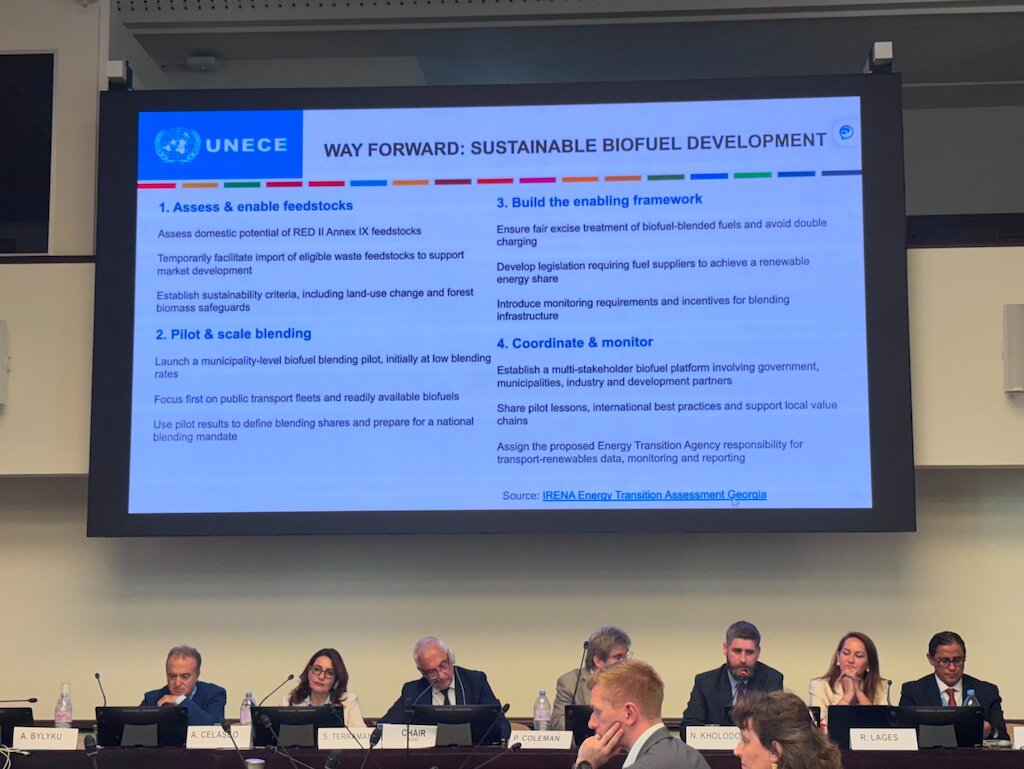
In line with our non-lobby approach, Ipieca’s role at UNFCCC COPs is to listen to negotiations, feedback the outcomes to our members and integrate them into our workstreams and guidance. Ipieca also organises its own on-site events and participates in other organisations’ events focused on driving cross-sector action to support a net-zero future. At Belém we hosted and took part in the following events.

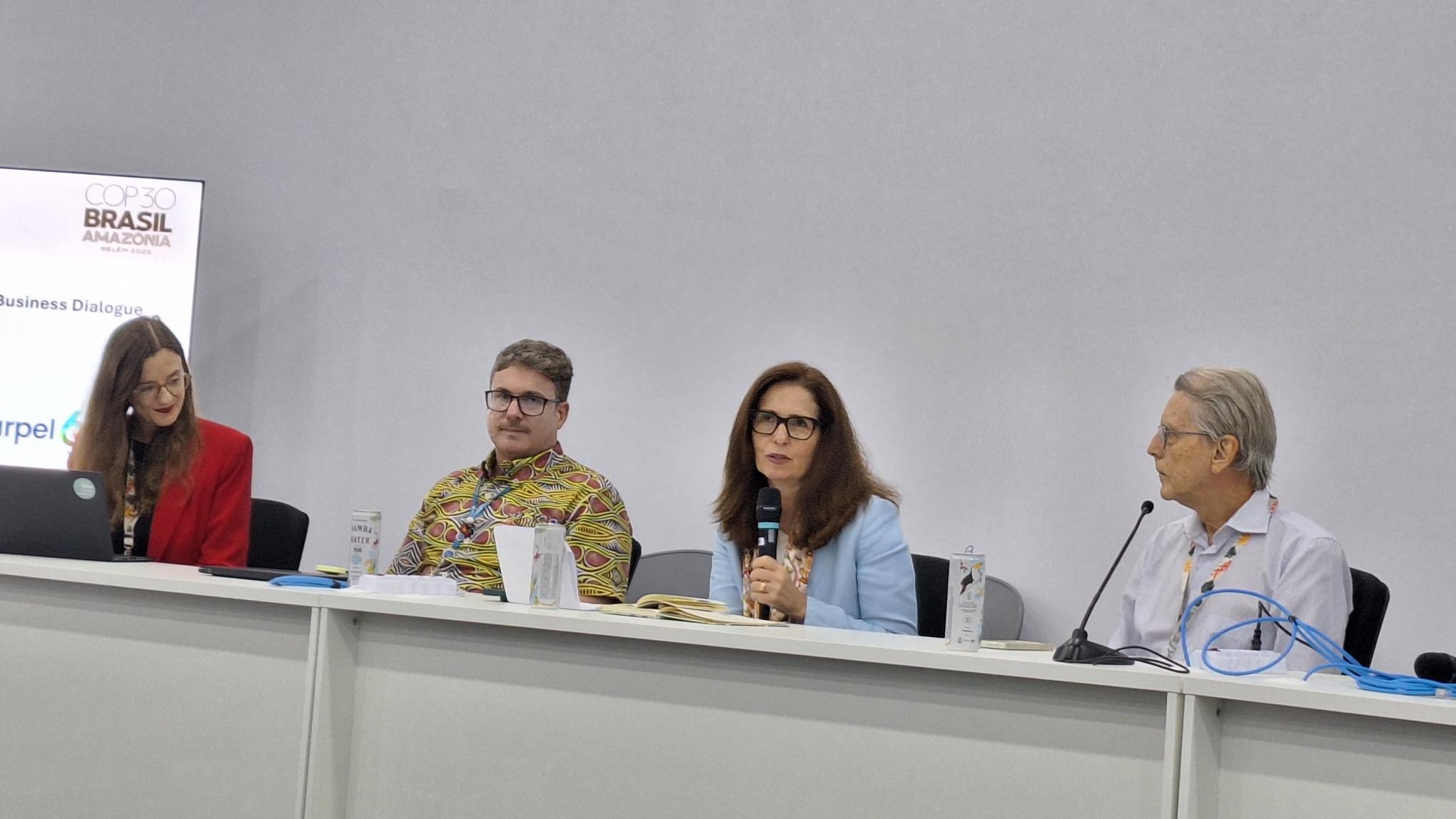
Official UNFCCC side event - Just transition and adaptation: a global business dialogue (Ipieca co-hosts and speaker)

The panel included representatives from the IEA, International Organization of Employers , and academia from Brazil.

Key messages:

  • The panel discussed the complexity of integrating energy, adaptation, and just transition, emphasizing the potential of energy transition policies to reduce inequalities
  • Climate resilience and affordable energy access are key topics
  • The private sector can contribute through innovation, implementation, and local job creation
  • The financial sector was highlighted as a multiplier, where public-private partnerships can mobilise capital efficiently
  • Panellists stressed risk-based, evidence-driven approaches in national adaptation plans and just transition strategies

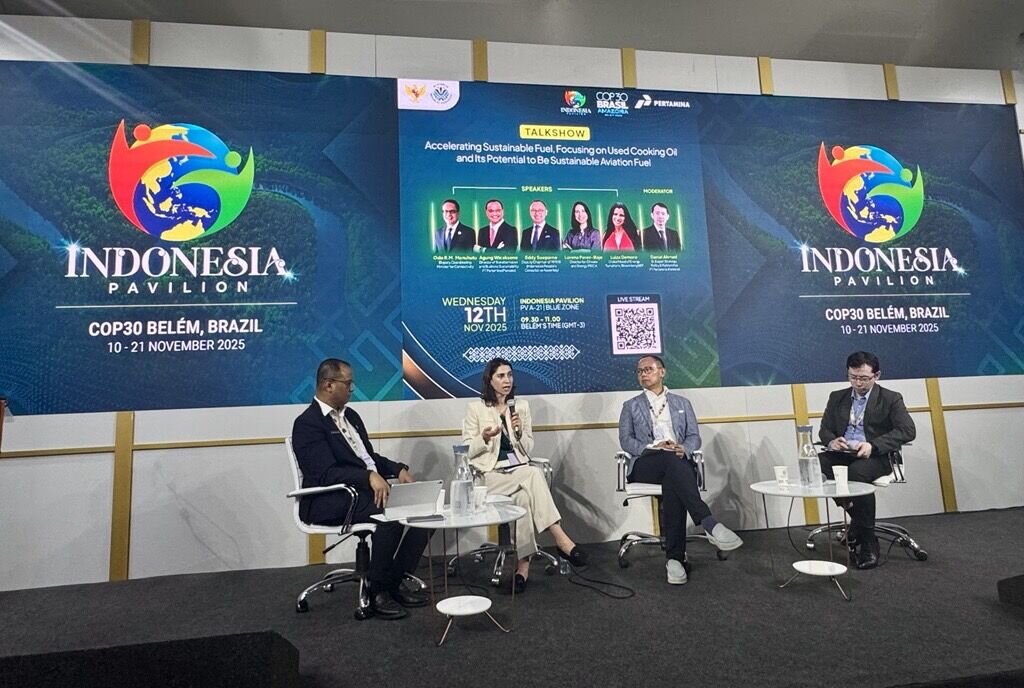
Accelerating sustainable fuel, focusing on used cooking oil and its potential to be sustainable aviation fuel (Ipieca speaker)

Key messages:

  • Technological innovation is key to accelerating emissions reductions, especially in sectors that are difficult to decarbonise, like heavy industry, aviation, and shipping
  • There is no silver bullet for transport. We need a diverse mix of lower-GHG, alternative fuels and e-fuels
  • The scale up of alternative fuels has to take environmental and social issues into consideration
  • Decarbonising aviation requires coordinated global action, with the International Civil Aviation Organization playing a key role

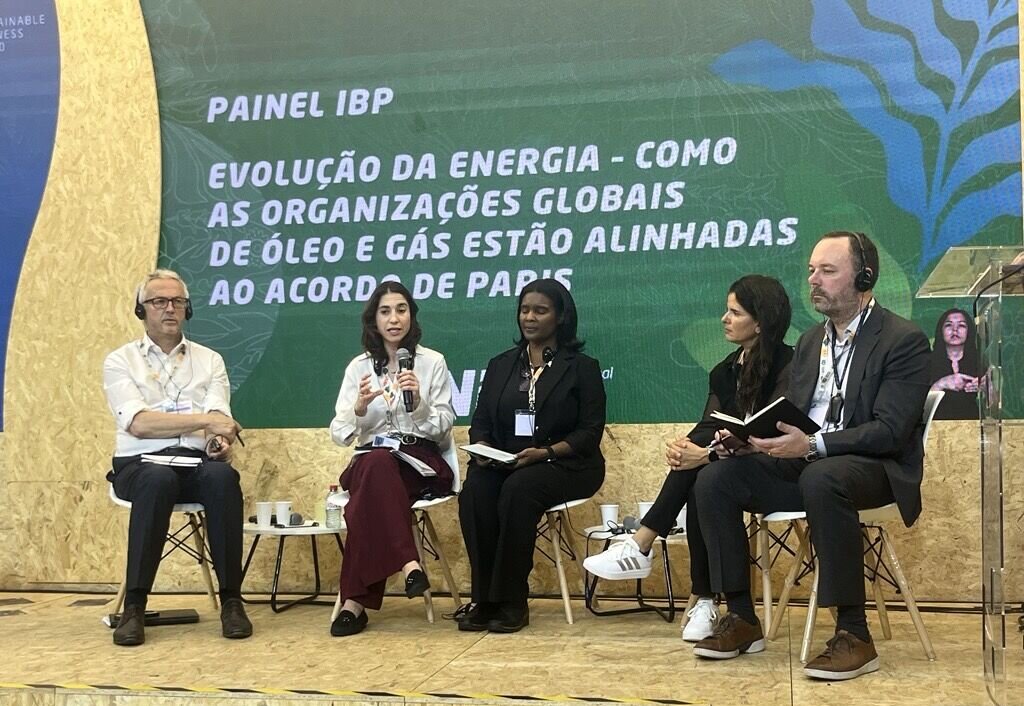
Energy evolution - how global oil and gas organisations are aligned with the Paris Agreement (Ipieca speaker)

Key messages:

  • The industry is reducing emissions from operations through energy efficiency, flare reduction and managing methane emissions, as well as increasingly powering their operations with low-carbon or renewable energy sources
  • The industry is helping their consumers reduce their emissions through the increased use of gas, enhanced efficiencies in engine-fuel systems, and developing low-carbon mobility technologies such as electric vehicles, biofuels, liquefied natural gas, ammonia and hydrogen fuel-cells
  • Driving sectoral decarbonisation is crucial. Some sectors—like heavy transport, petrochemicals, cement, steel, mining, marine transport, and aviation—are harder to electrify. The industry is collaborating with hard-to-abate sectors and supporting the scale up of key decarbonisation technologies, including CCS and hydrogen
  • Ipieca supports the industry to address issues holistically, convening experts from a range of sustainability disciplines, such as biodiversity and just transition, to advance solutions that care for people and planet

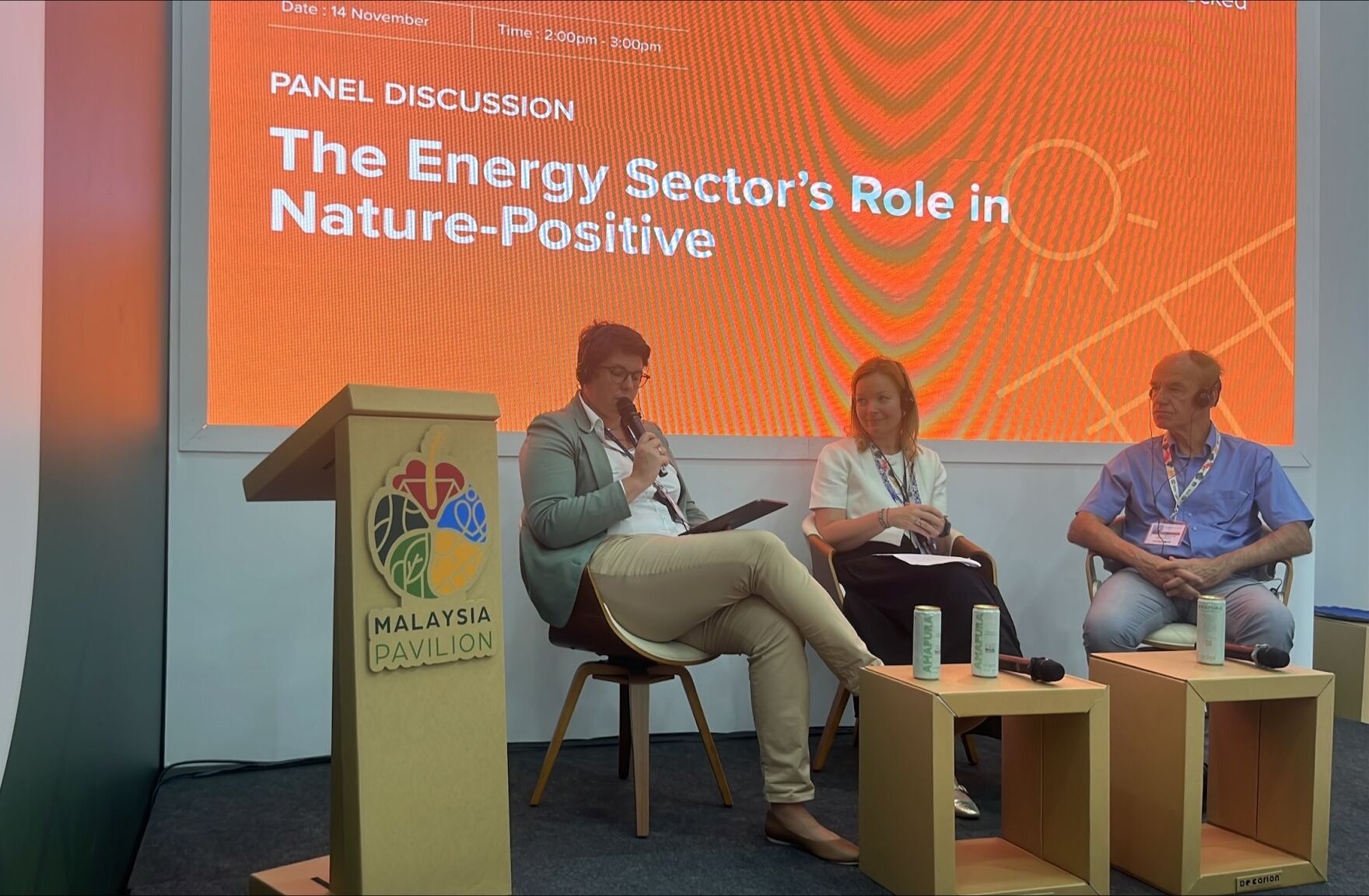
The energy sector's role in nature positive (Ipieca speaker)

Key messages:

  • Adopting an approach aligned with the Kunming-Montreal Global Biodiversity Framework can halt and reverse nature loss by 2030
  • The transition of the energy system towards renewables like solar and wind and their related infrastructure brings challenges, e.g. land use, resource extraction, and impacts on communities and biodiversity
  • Collaboration and dialogue are key if clean energy development and nature conservation are to reinforce one another

Biodiversity action plans as a way towards sustainable business (Ipieca speaker)

Key messages:

  • There is a critical connection between biodiversity conservation and climate change resilience
  • A biodiversity action plan is one approach that companies can take to manage biodiversity risks and ecosystems services achieve no net loss or conservation gain
  • Highlighting the connection between, climate, nature and people, biodiversity action plans, stakeholder engagement and local community involvement are key features of success plans

Paris+10

2025 marks ten years since the Paris Agreement was adopted at COP21 in Paris. Ipieca has attended every climate COP and took part in COP21. In the decade that has followed, Ipieca and its members have continued to:

  • Contribute to COP events and UN conventions
  • Develop and share resources and tools to support delivery of the Paris Agreement goals
  • Raise awareness of initiatives and technologies towards a net-zero future that cares for nature and leaves no one behind

Check out our Paris+10 timeline where we highlight how Ipieca has supported the Paris Agreement on the journey from COP21 to COP30.

E-mail alerts

Sign up to receive Ipieca's e-news
Climate
Nature
People
Sustainability
Marine spill
Please confirm that you are happy to receive newsletters from Ipieca: