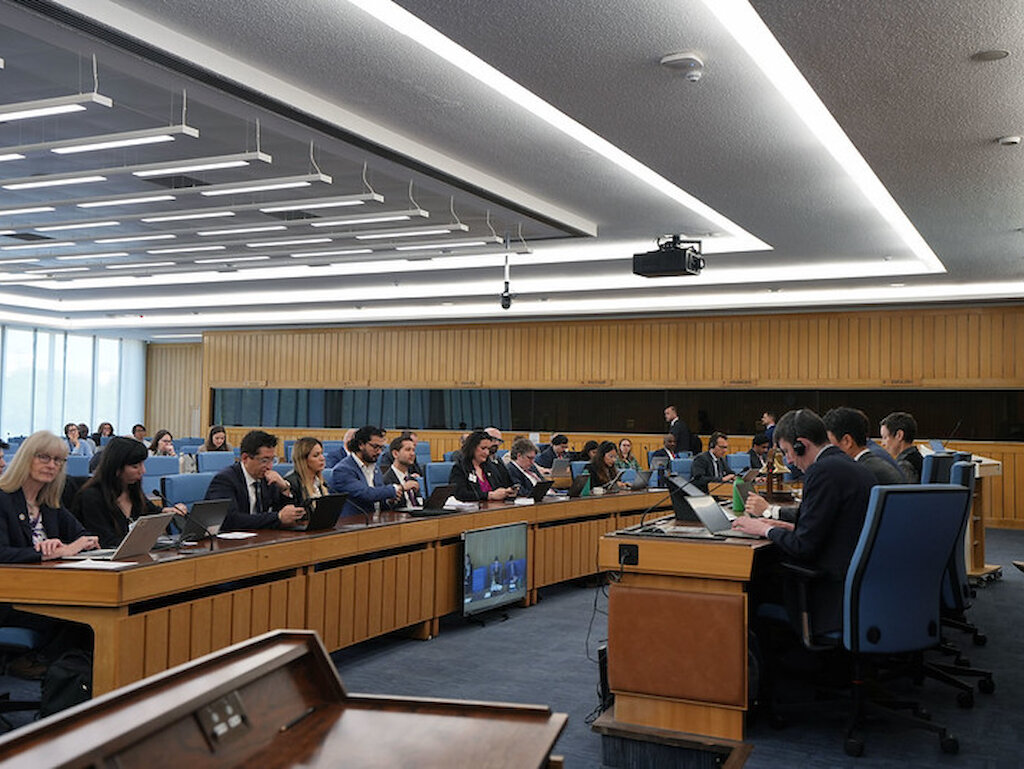
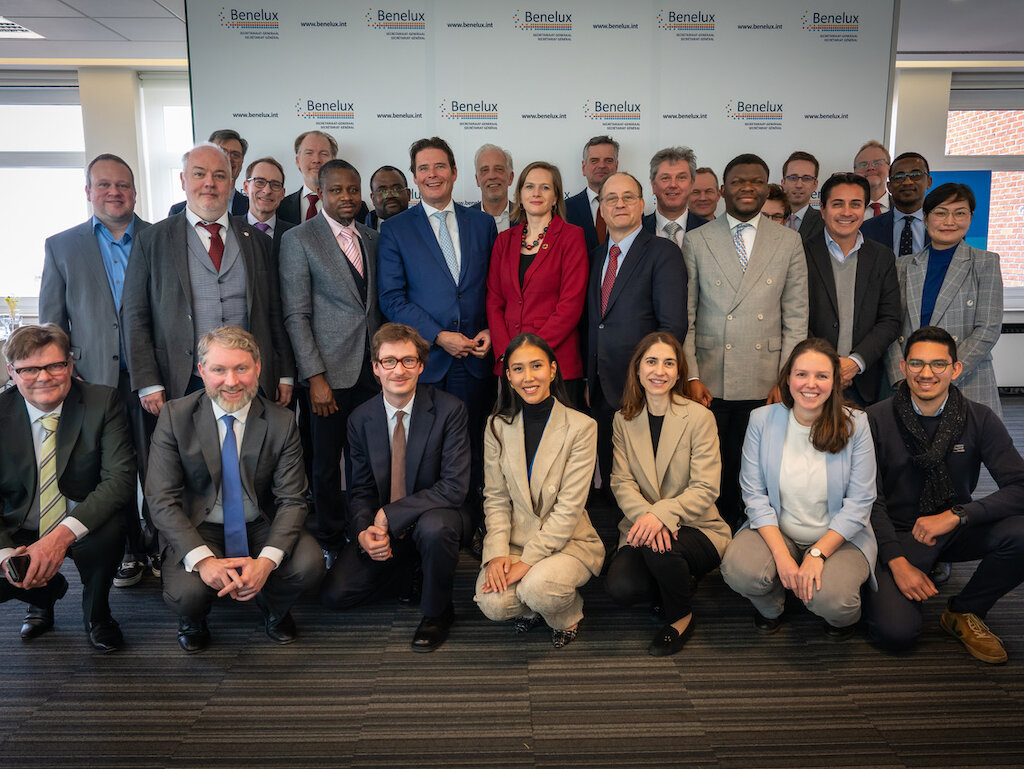
As global and local energy ecosystems evolve, the conference explored how South Africa can position itself for a sustainable, efficient and low‑carbon future. The focus was on equipping stakeholders with the insights, regulatory clarity and strategic direction needed to thrive amid technological, environmental and policy shifts.
15 July 2026
The Fuels Industry Imbizo 2026, hosted by the Fuels Industry Association of South Africa, focused on the industry's transition toward a diversified energy mix – spanning conventional fuels to rapidly emerging alternatives.
Key insights
Overall takeaway
A consistent message across both days was that South Africa's energy future is likely to involve a diversified energy mix, requiring consideration of energy security, affordability, infrastructure readiness and emissions reduction objectives while supporting economic development and long-term system resilience
Key insights from day one
- Discussions highlighted that South Africa's transport and energy transition is likely to involve a range of technologies and fuel pathways, including conventional fuels, biofuels, electrification, hydrogen and hybrid solutions, with deployment influenced by local infrastructure, economics and energy needs
- Clean Fuels II (this initiative in South Africa is part of a comprehensive strategy aimed at improving urban air quality by enhancing fuel standards) implementation featured prominently, with consideration given to fuel quality improvements, infrastructure readiness, investment requirements and implications for the wider fuels value chain
- Biofuels were discussed as one potential component of lower-carbon transport strategies, with conversation focusing on sustainability frameworks, investment conditions, feedstock availability and lessons from international experience
- Across several sessions, stakeholders noted the importance of stable regulatory frameworks, long-term planning and cross-sector coordination in enabling deployment of new technologies and fuels
Key insights from day two
- Energy security remained a central theme, particularly in the context of evolving global energy markets, geopolitical developments and South Africa's future fuel supply requirements
- Discussions highlighted the role of fuel transport, storage and logistics infrastructure in supporting supply reliability and facilitating future changes in the energy system
- Liquefied petroleum gas was identified as an important part of South Africa's energy mix, particularly in relation to energy access, clean cooking and economic development objectives
- Sessions examining fuel pricing and market dynamics considered how policy, infrastructure and investment decisions may influence the long-term resilience and competitiveness of the sector
- A recurring theme was the value of collaboration between government, industry, financial institutions and other stakeholders in addressing infrastructure, investment and transition-related challenges
Ipieca participation
Ipieca participated in two sessions during the conference:
Update on fuels and products
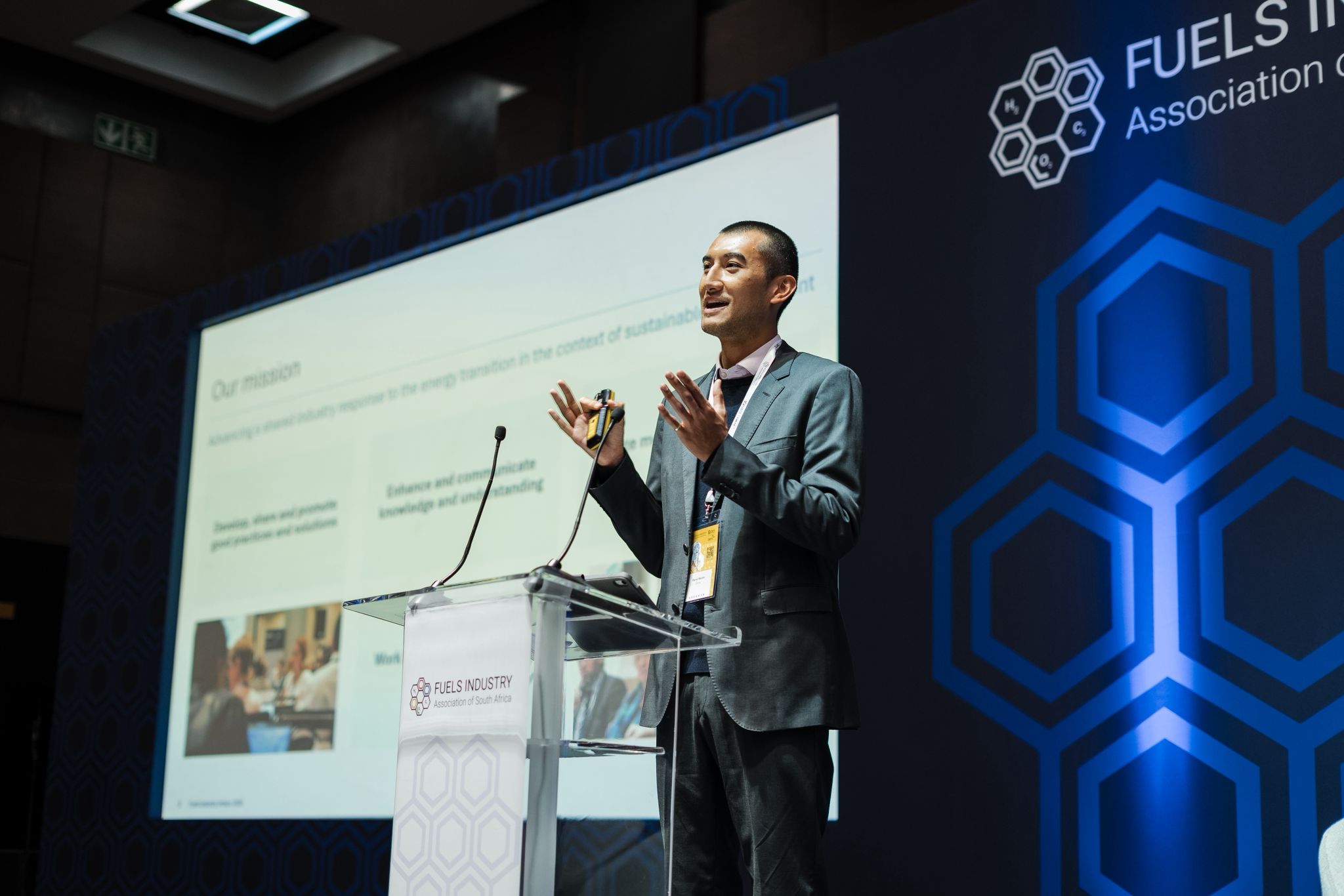
Darryl Martin, Ipieca Climate and Energy Senior Manager, provided an overview of Ipieca’s work on fuels and products, including shipping, aviation, road transport and biofuels developments.
From policy to practice: unlocking the role of biofuels in a low-carbon future
Darryl also joined a panel session exploring the evolving role of biofuels both globally and within South Africa, examining market trends, investment signals, and their integration into broader low-carbon strategies. The panel also considered how international experience and industry leadership are shaping the sector and what this means for local development.