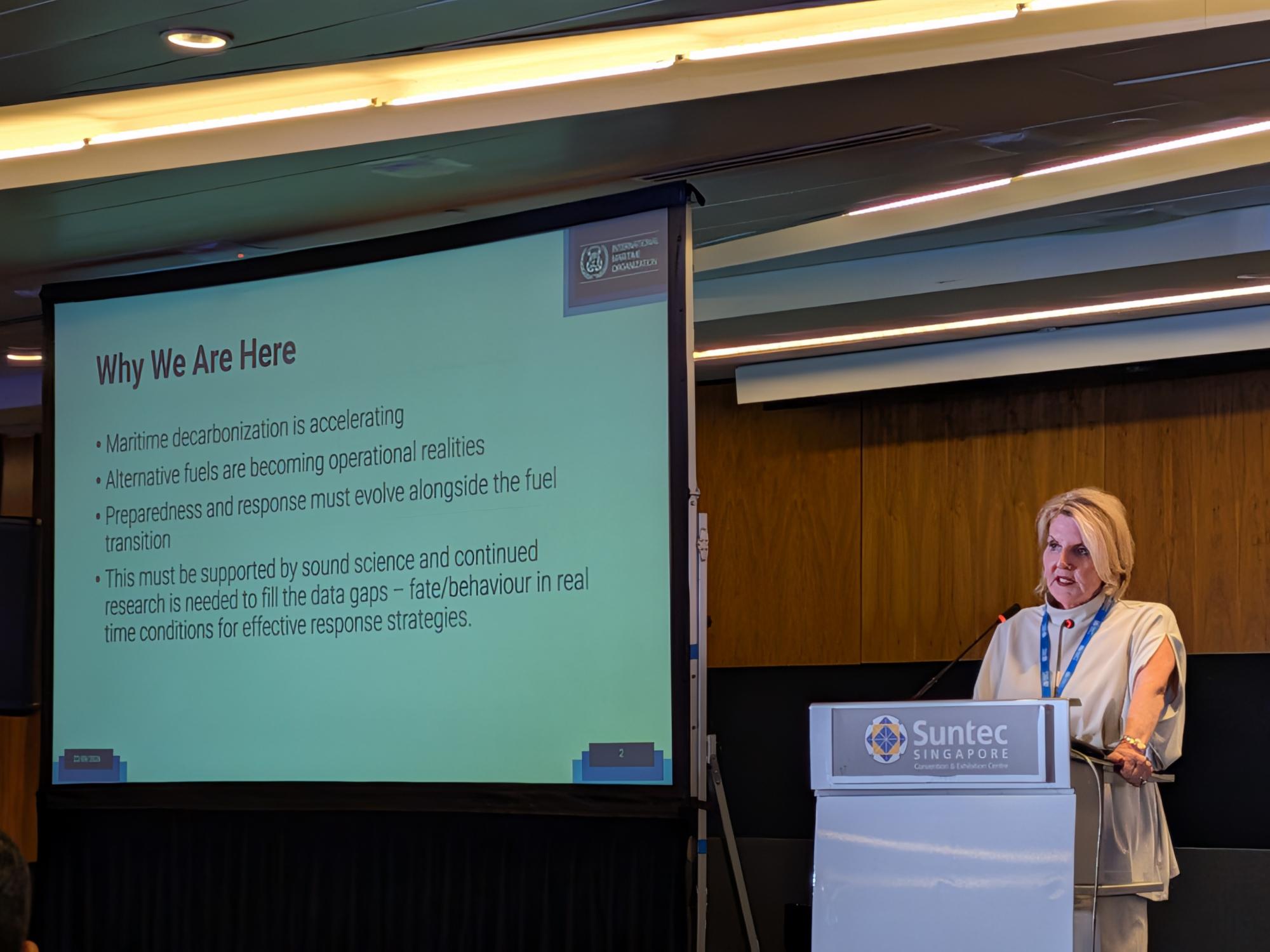
The maritime industry's transition to alternative fuels is a key component of efforts to reduce greenhouse gas emissions from shipping. However, as fuels such as methanol, ammonia, hydrogen, LNG, LPG and biofuels become more widely adopted, it is equally important to ensure that governments, industry and response organisations are prepared to address any associated pollution risks.
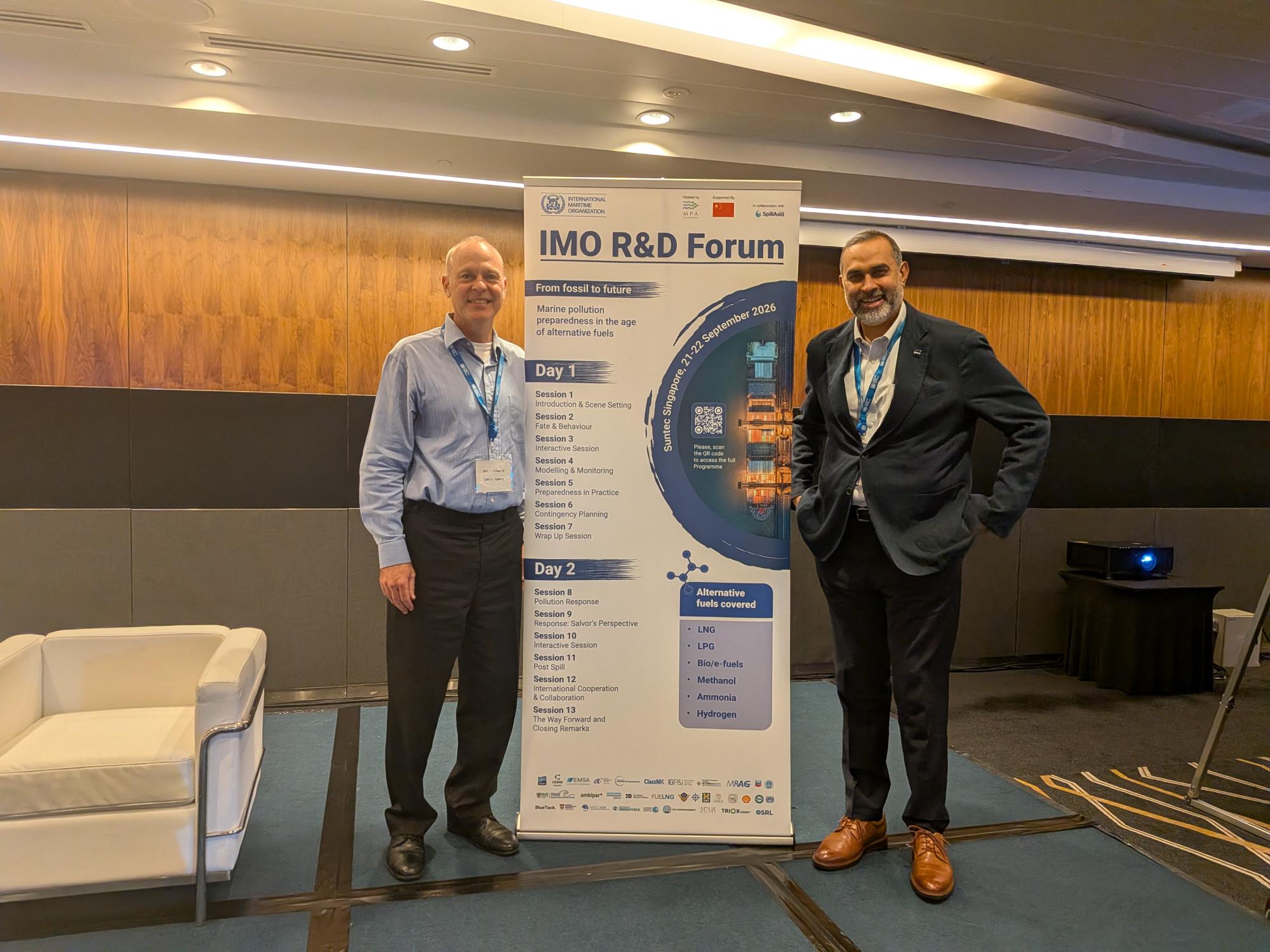
Organised by the International Maritime Organization (IMO), the forum addressed critical knowledge and capability gaps associated with spills involving alternative marine fuels. Its objectives included:
- Strengthening international cooperation
- Supporting capacity building
- Developing a global research and development roadmap
- Improving access to technical knowledge related to alternative fuel spill preparedness
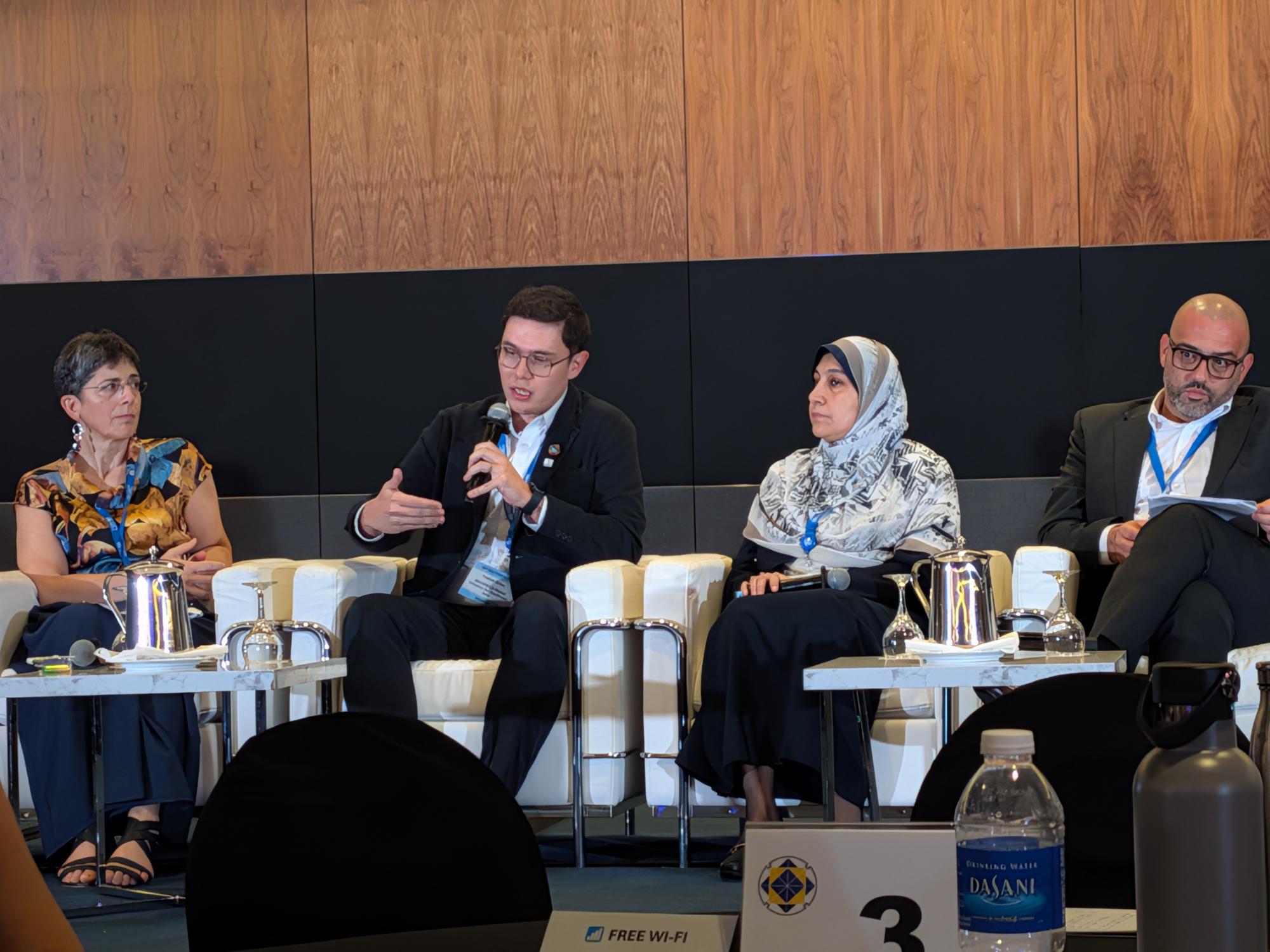
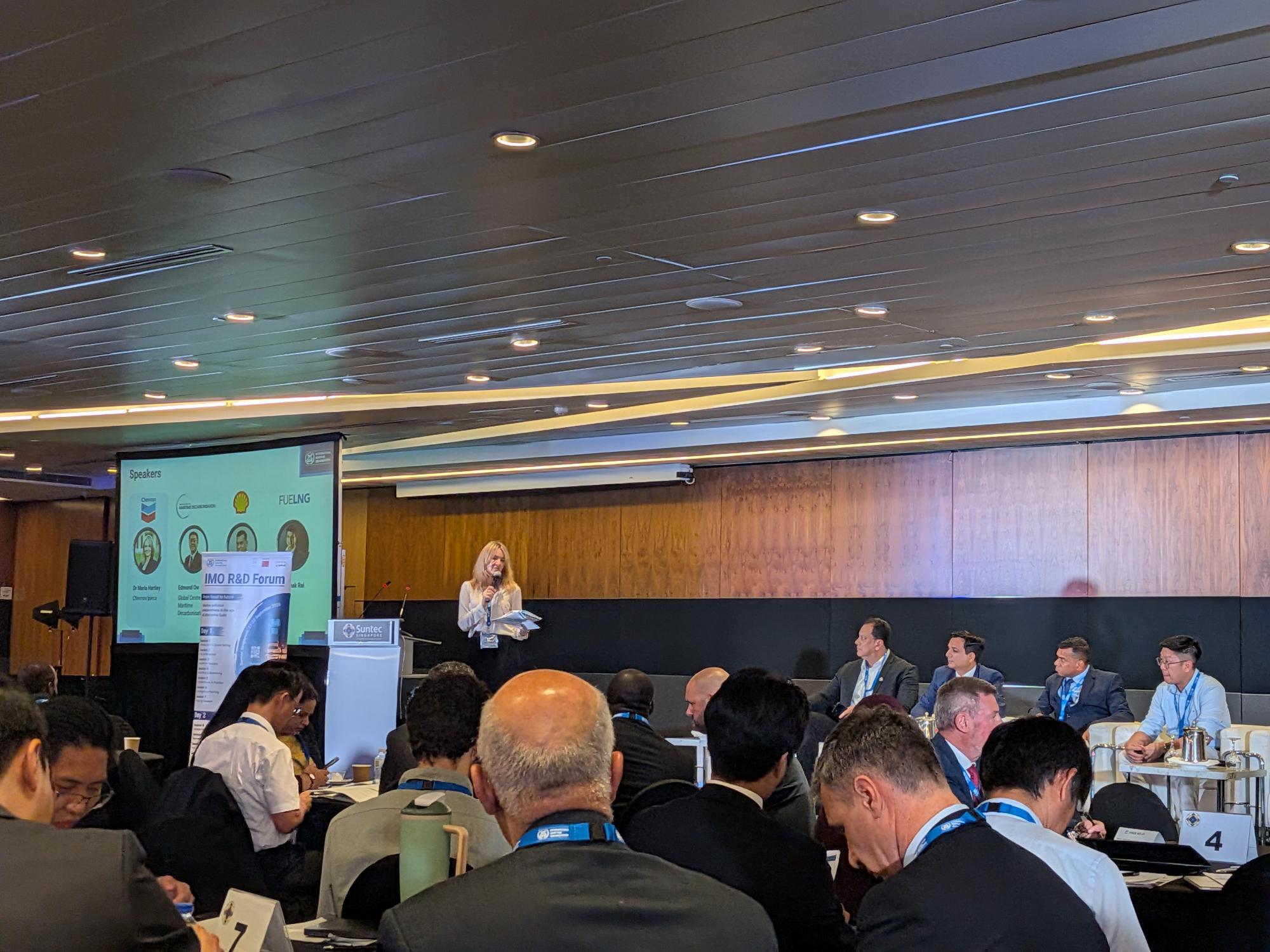
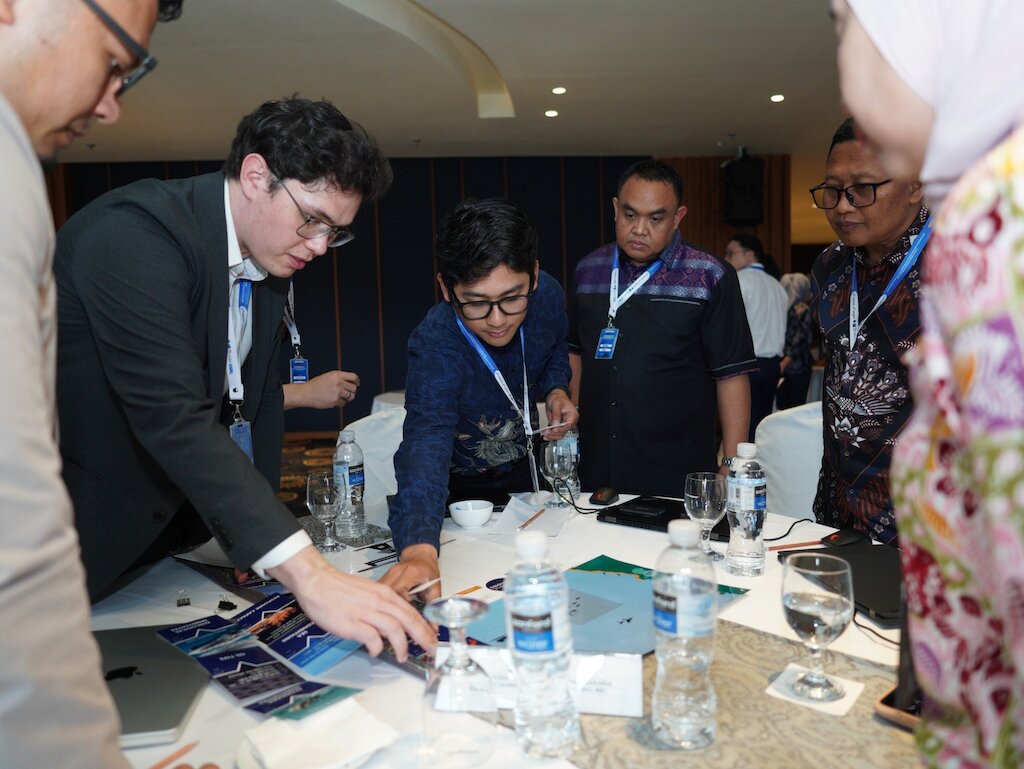
Discussions covered fuel fate and behaviour, atmospheric and water-column modelling, risk assessment, preparedness, emergency response, post-spill actions and international cooperation mechanisms. Participants shared research findings, operational experience and case studies through presentations, panel discussions and interactive working sessions.
For Ipieca, participation in the forum provided an important opportunity to contribute industry perspectives and engage with governments, academia and technical experts on future research and preparedness priorities.
Key messages from the Forum
A key theme throughout the forum was that the adoption of new fuel technologies has implications for preparedness.
- While alternative fuels are expected to play an important role in supporting shipping's decarbonisation objectives, their physical and chemical properties differ significantly from conventional fuels
- Alternative fuels present vastly different challenges for contingency planning, risk assessment and emergency response
- Understanding differences in fuel fate and behaviour is essential to ensuring safe and effective preparedness arrangements
- Sharing lessons learned and ensuring that research findings can be translated into practical preparedness and response measures is key
The role of collaboration
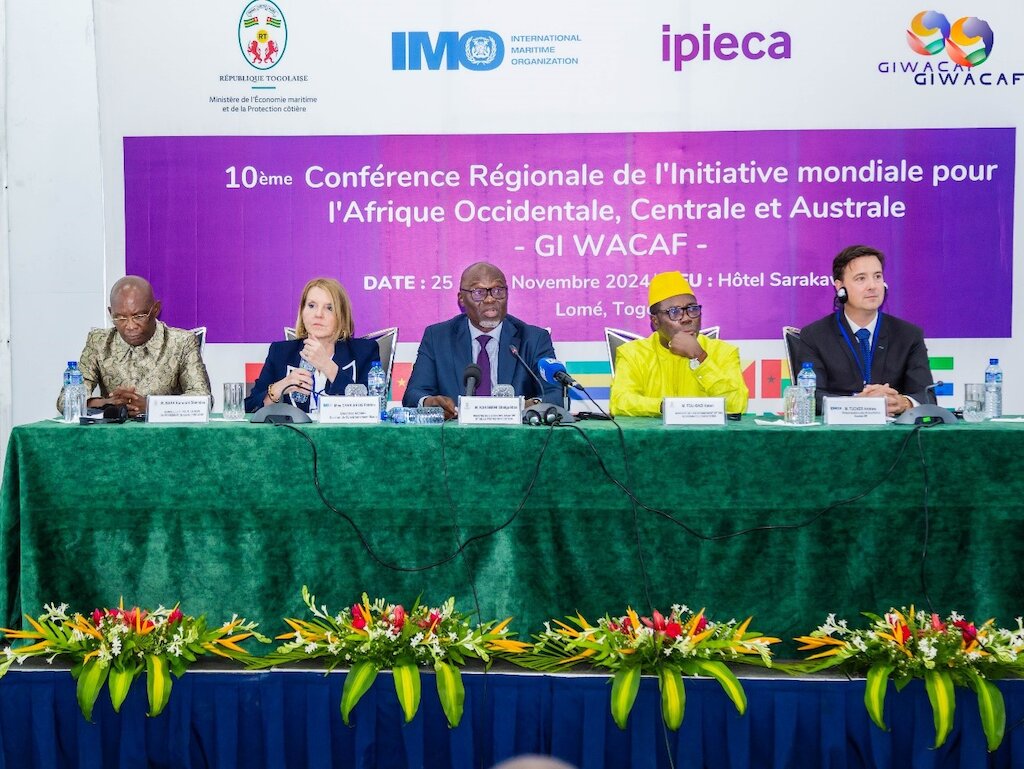
One of the clearest outcomes from the event was the need for stronger collaboration across governments, industry, academia and the scientific community. Participants broadly agreed that addressing knowledge gaps before significant incidents occur will require coordinated international efforts, continued research and effective mechanisms for information sharing.
International cooperation on marine pollution preparedness is underpinned by theInternational Convention on Oil Pollution Preparedness, Response and Co-operation (OPRC 1990) and the Protocol on Preparedness, Response and Co-operation to Pollution Incidents by Hazardous and Noxious Substances (OPRC-HNS Protocol). These IMO instruments provide an important framework for countries to develop national preparedness and response systems, establish cooperation mechanisms and strengthen response capability. As new marine fuels emerge, these established frameworks continue to provide a strong foundation for preparedness, planning and international collaboration.
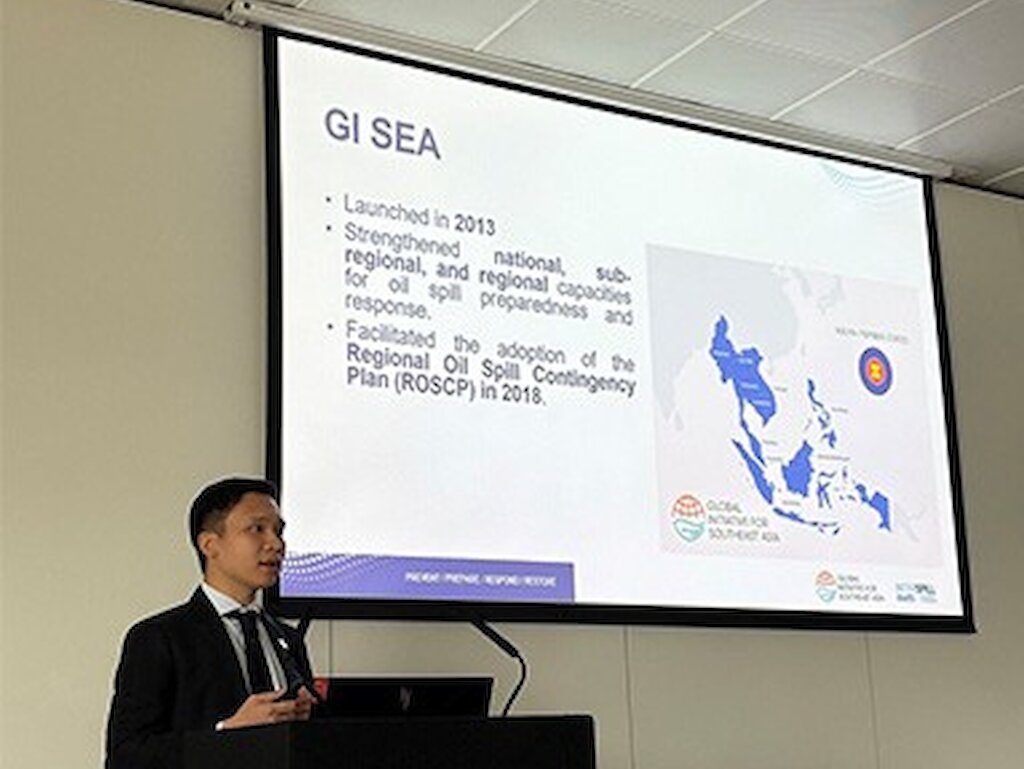
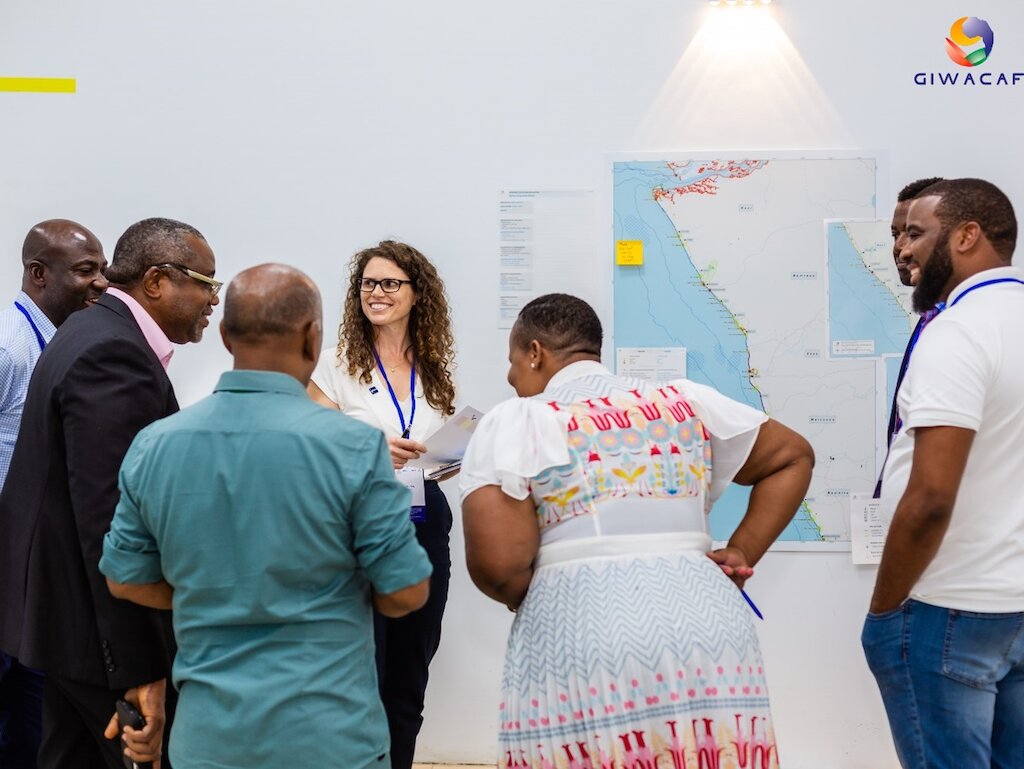
Through the Global Initiative, a partnership between IMO and Ipieca, governments and industry work together to strengthen implementation of these international frameworks in practice. By supporting training, exercises, workshops and knowledge sharing, the Global Initiative helps connect government authorities with industry expertise and operational experience. This collaboration supports countries in enhancing preparedness capabilities, building trusted relationships and improving their ability to respond effectively to marine pollution incidents.
Drawing on the technical expertise of its membership, Ipieca has been developing practical resources to improve understanding of the behaviour, hazards and response considerations associated with emerging fuels, including a growing series of response fact sheets covering alternative fuels and energy products.
Looking ahead
As shipping continues its energy transition, preparedness will need to adapt with innovation. While alternative fuels offer significant opportunities, ensuring that preparedness arrangements evolve alongside their adoption is essential. Effective planning, training and collaboration help safeguard not only the marine and coastal environment, but also the people who may be affected by an incident, including mariners, emergency responders, salvors and surrounding communities.