Issues discussed at SB 64
Adaptation
Parties continued discussions on the Global Goal on Adaptation (GGA), the Belém Adaptation Indicators, the Belém-Addis Vision on Adaptation and the Baku Adaptation Road Map.
Discussion focused on the composition and mandate of the technical task force that will support further work on adaptation indicators and the tripling of adaptation finance agreed in COP30 Belém.
Mitigation
With the Sharm el-Sheikh Mitigation Ambition and Implementation Work Programme mandate due to expire at COP31, parties discussed its future, duration, relationship with other UNFCCC processes and potential improvements to its modalities.
Article 6
Parties continued discussions on cooperative approaches under Article 6.2, focusing on how to fund the infrastructure, technical review processes and capacity-building needed to support implementation.
Discussions also continued on Article 6.8, non-market approaches, which support countries in achieving their nationally determined contributions without the use of carbon credits. Parties considered how to strengthen the non-market approaches platform and improve links with other UNFCCC implementation processes.
Climate finance
Climate finance featured prominently across the Bonn agenda, including through discussions under the new Climate Finance Work Programme and the Veredas Dialogue on Article 2.1(c) of the Paris Agreement.
The Veredas Dialogue focused on aligning financial flows with climate-resilient and low-emission development pathways. Discussions covered enabling policy frameworks, investment barriers, resilience considerations and practical approaches to scaling finance. Finance also remained a cross-cutting point of debate in adaptation, just transition, Article 6.2 and discussions on trade-related climate measures.
Just transition
Parties made some progress under the Just Transition Work Programme. Discussions focused on the terms of reference for the review of the work programme, the operationalisation of the just transition mechanism and messages emerging from the latest just transition dialogue.
Finance, market access, investment flows, technology transfer, intellectual property, trade rules, fossil fuel dependence, critical minerals and economic diversification all featured in the discussions.
Trade and climate
SB64 included the first dedicated UNFCCC Dialogue on Trade and Climate. The discussion covered how trade-related climate measures should be addressed within the UNFCCC process. Topics included:
· Carbon border adjustment mechanisms
· Due diligence requirements and product standards
· International standards and cooperation
Technology
Parties reached agreement on several issues related to the Technology Mechanism established at COP16, including to strengthen cooperation between the Technology Mechanism, and the UNFCCC financial entities, including the Green Climate Fund and Global Environment Facility. The agreement is intended to improve coordination between technology and finance processes, including by involving financial entities in future technology workplans and encouraging stronger cooperation at national level.
Parties also agreed that UNEP will continue to host the Climate Technology Centre, the implementation body of the Technology Mechanism, beyond 2027 and launched the second periodic assessment of the Technology Mechanism. The assessment will examine whether support provided to the mechanism has been sufficient and effective in helping countries develop and transfer climate technologies under the Paris Agreement.
COP31
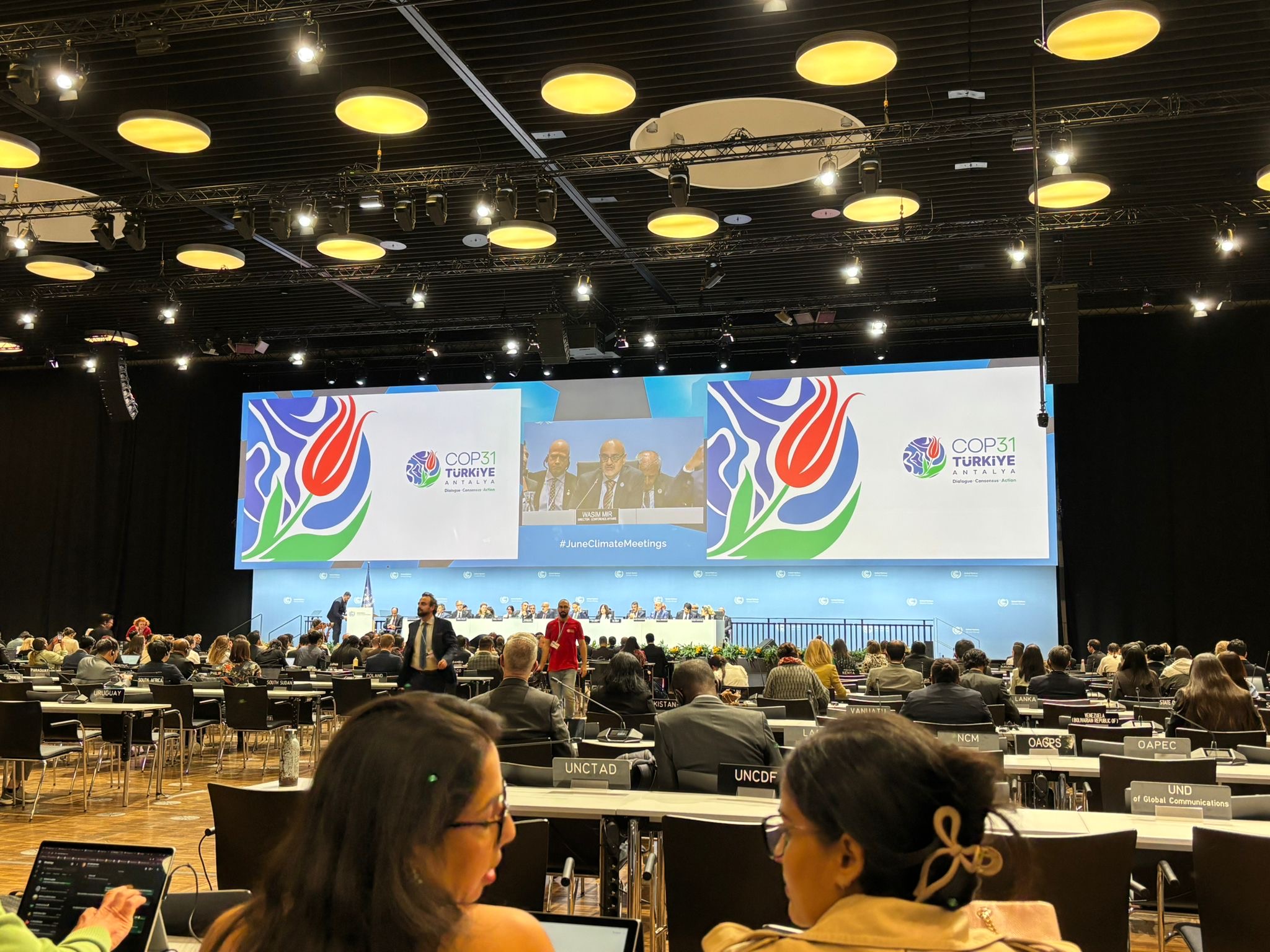
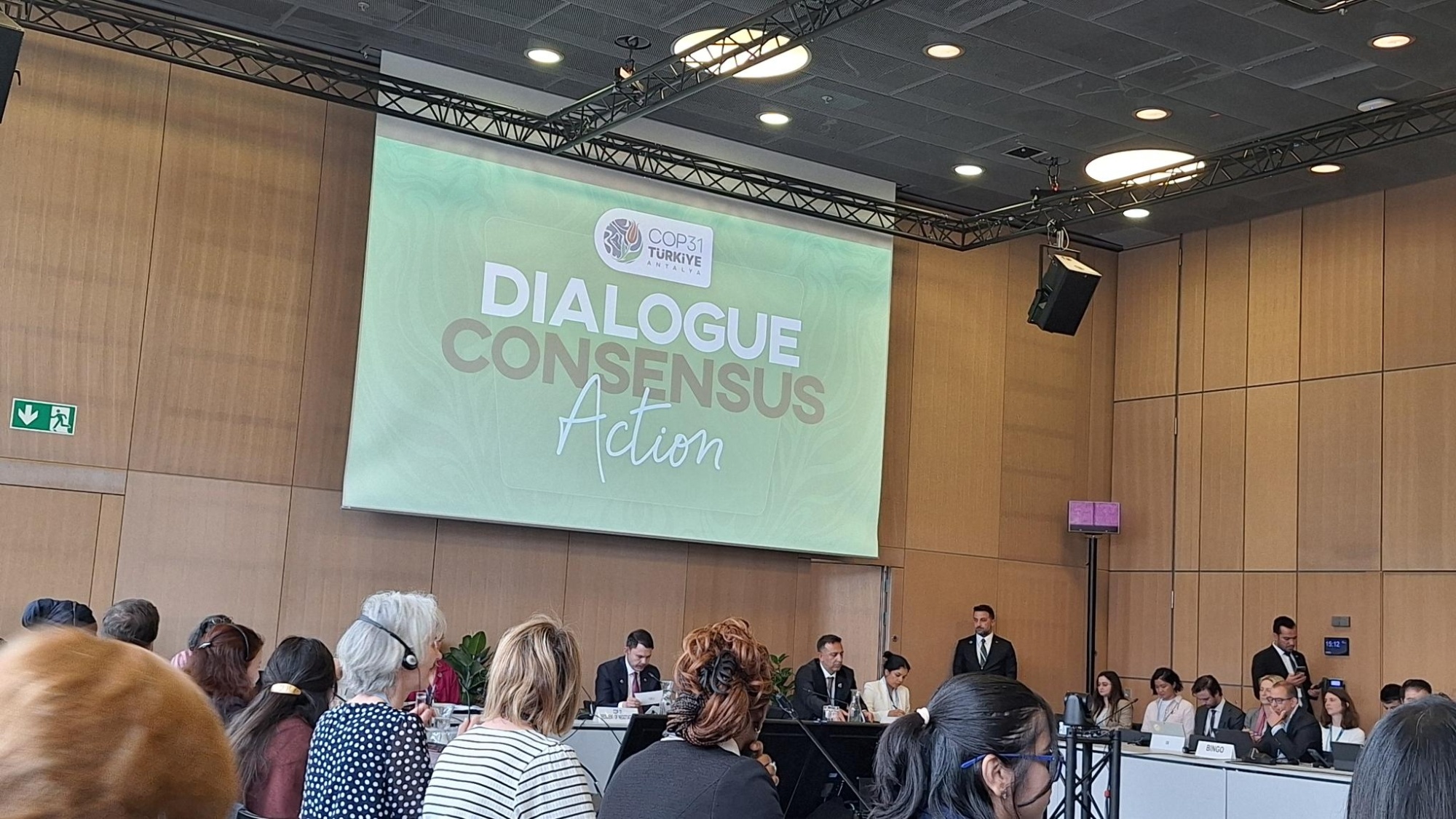
COP31 will take place in Antalya, Turkey, 10-21 November 2026. Find out more about Ipieca’s role in COP events and how Ipieca participated at COP30 last year here.
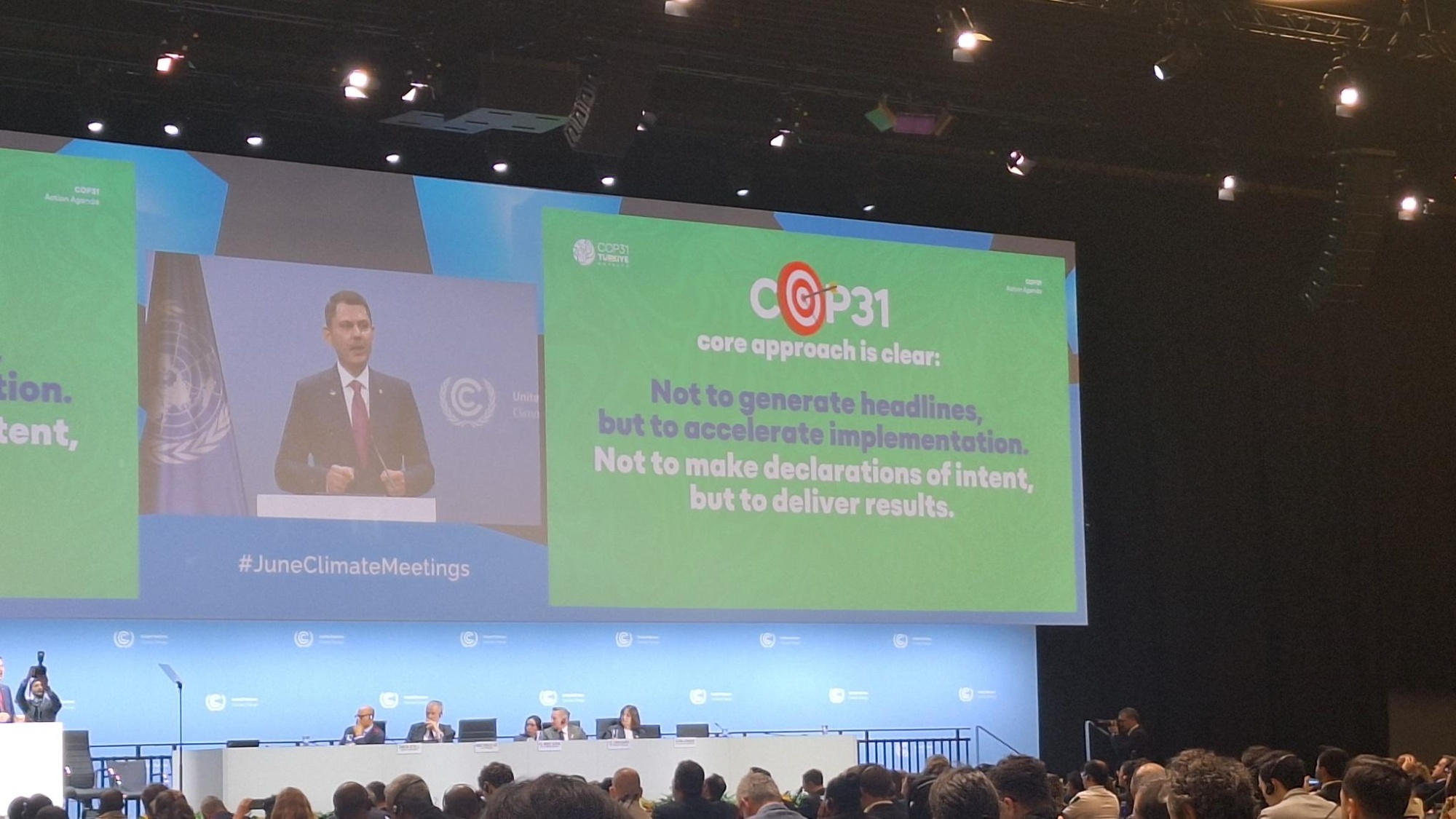
The COP31 Action Agenda was launched in Bonn and will be structured around ten priority themes: zero waste, oceans and seas, food security, climate-resilient cities, climate implementation bridge, youth and education, green industrialisation, clean energy transition, Rio synergies, and dynamic and resilient health systems.
At Bonn, the incoming COP31 Presidency also announced voluntary 2035 targets, including increasing the share of global final energy demand met by electricity from just over 20% today to 35%, halving the growth in global waste and decreasing energy consumption intensity in the building sector by at least 25%. They also introduced the Climate Implementation Bridge, aimed at helping countries translate climate commitments into investable projects and mobilise private capital.