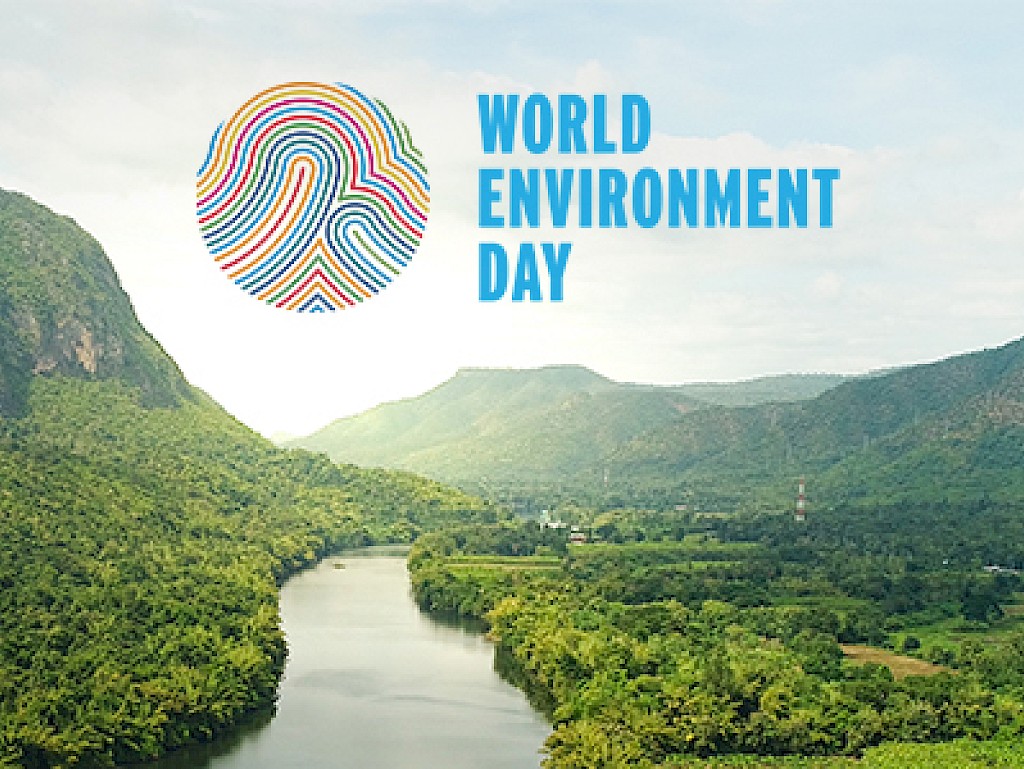
The Assembly is the world’s highest-level decision-making body for matters related to the environment. More than 6,000 people – representing 186 countries – took part in the week-long gathering (9-12 December), held at the headquarters of the UN Environment Programme (UNEP) in Nairobi, Kenya.
The decisions adopted in the Kenyan capital will guide the work of UNEP in the coming years, reinforcing multilateral environmental agreements and thereby addressing the interconnected topics of climate change, biodiversity loss and pollution.
Key outcomes for multilateral environmentalism
UNEA‑7 agreed on a new Medium‑Term Strategy for UNEP for 2026–2029, which prioritises activities that can tackle the interlinked issues of climate change, biodiversity loss and pollution, and promotes the circular economy and resource efficiency.
A total of 11 resolutions were adopted on:
- Accelerating global actions to promote the climate resilience of coral reefs
- Promoting sustainable solutions through support for a resilient planet
- Strengthening international cooperation on the environmentally sound management of minerals and metals
- Strengthening the global response to the massive influx of sargassum seaweed blooms
- Promoting synergies, cooperation or collaboration for national implementation of multilateral environmental agreements and other relevant environmental instruments
- Enhancing the meaningful participation of youth in Environmental Processes and on environmental education
- Strengthening the global management of wildfires
- Sound management of chemicals and waste
- Environmental sustainability of artificial intelligence systems
- The preservation of glaciers and the broader cryosphere, particularly in mountain regions
- Environmental dimensions of antimicrobial resistance
During UNEA-7, the 7th Global environment outlook was launched - a comprehensive scientific assessment of the global environment, It brings together the voices of 287 experts from 82 countries. For the first time, Indigenous Peoples and traditional knowledge holders from around the world have helped shape the report through a series of dialogues in Mexico, Thailand, and online. Their knowledge and experience, rooted in a deep connection with nature, complement scientific data and offer valuable insights into resilience, stewardship, and living in harmony with the environment.
Ipieca was established in 1974 at the request of UNEP to act as the UN-industry interface on environmental and climate issues. In the 50 years that have followed, Ipieca has increased its scope to also work with the UN on a range of social performance and sustainability topics, supporting a range of impactful partnership. See our key milestones here.