The International Maritime Organization (IMO), through its Future Fuels and Technology (FFT) Project, organised a technical seminar on the use of ammonia as marine fuel on 17 September 2026 at IMO Headquarters in London. The event brought together around 800 participants from governments, industry, NGOs, IGOs and academia to share the latest developments in ammonia production, bunkering, vessel technologies, environmental management and safety
5 October 2026
The seminar covered ammonia production and supply, bunkering infrastructure, vessel deployment, engine technologies, environmental considerations and safety frameworks.
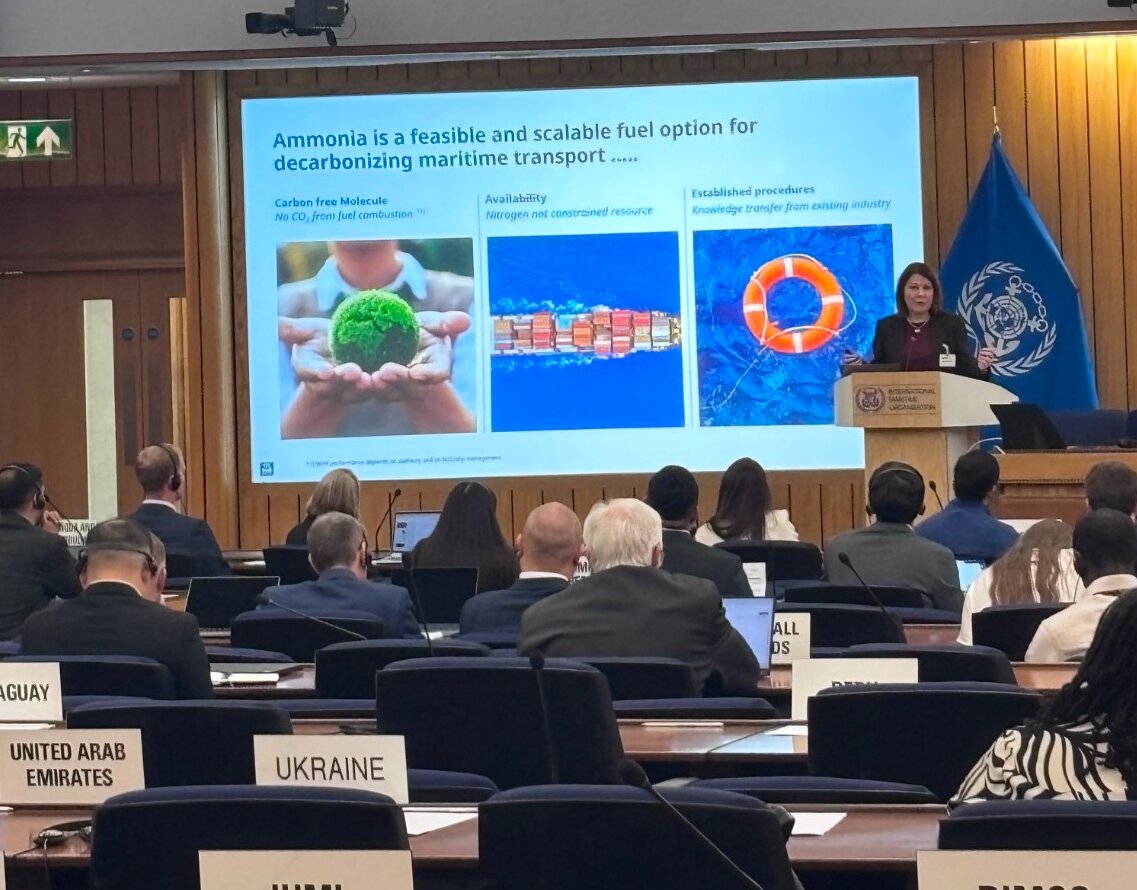
As an observer of the IMO, Ipieca helps the IMO to assess the science surrounding proposed changes to the marine fuel developments, including marine spill and a greenhouse gas (GHG) reduction focus. It also identifies ways to make cleaner marine fuels more readily available to ship owners around the world, whilst considering safety around the use of these fuels.
The seminar highlighted growing momentum behind ammonia as a potential marine fuel, with speakers demonstrating progress from pilot projects towards commercial deployment. While substantial advances have been made in vessel development, fuel supply chains and regulatory frameworks, a consistent theme was that safety, crew competence and environmental stewardship needs to underpin wider adoption.
Key themes across the seminar
- Ammonia is emerging as a promising fuel for deep-sea shipping decarbonisation due to its potential for very low life-cycle GHG emissions when produced from low-carbon pathways
- Significant progress is being made across the value chain, including fuel production, bunkering infrastructure, engine technologies and vessel deployment
- Existing ammonia handling, storage and transport infrastructure could support future scale-up
- Safety remains the primary consideration, with particular emphasis on toxicity management, crew training and operational readiness
- Environmental considerations extend beyond carbon emissions and include ammonia slip, NOx, N₂O and broader reactive nitrogen impacts
Session one: ammonia production, supply and bunkering infrastructure
This session examined production pathways, infrastructure readiness and bunkering developments:
- Existing ammonia production and global transport networks provide a foundation for future marine fuel supply
- More than 500 low-emission ammonia projects are under development globally, supporting expectations of significant future supply growth
- Bunkering demonstrations are helping to build operational experience and confidence:
- Pilot projects have shown ammonia transfer can be conducted safely with appropriate controls
- Lessons learned have informed guidance on safety zones, terminal readiness and emergency response planning
- Existing ammonia infrastructure and expertise could accelerate the development of marine fuel supply chains
- Speakers highlighted the need for continued collaboration across ports, fuel suppliers and ship operators to support scale-up
Session 2: vessel deployment and engine technologies
This session focused on the transition from technology development to commercial application:
- Engine manufacturers reported significant progress in ammonia engine testing, certification and deployment:
- Multiple engine designs are now approved or entering commercial service
- Reported GHG reductions exceeded 90% on a tank-to-wake basis
- Several speakers noted that ammonia engines can deliver performance comparable to conventional marine engines while maintaining low emissions
- Operational experience is now emerging from early ammonia-fuelled vessels:
- Commercial ammonia-fuelled vessels are operating or entering service
- Sea trials demonstrated stable engine operation and successful validation of safety systems
- Operators reported that practical experience is helping improve procedures, training and vessel design
- Practical operational experience is increasingly helping to validate technical and safety assumptions
Session 3: safety, regulation and environmental considerations
This session explored the regulatory framework, operational safety and environmental performance:
- IMO outlined ongoing work related to safety guidelines, crew training, life-cycle GHG assessment and fuel certification
- Safety was consistently identified as the key enabler for wider ammonia adoption:
- Ammonia's primary hazard is toxicity, requiring specific design and operational measures
- Crew training, leak detection, ventilation and emergency response frameworks were highlighted as essential
- Organisational readiness is considered as important as technical readiness
- New industry initiatives are helping organisations assess safety management maturity and workforce preparedness
- Environmental presentations highlighted the importance of managing impacts across the full ammonia value chain:
- Ammonia slip, NOx and N₂O emissions require continued monitoring and control
- Life-cycle accounting and science-based emissions management are needed to preserve ammonia's environmental benefits
- Environmental considerations extend beyond GHG emissions to include broader reactive nitrogen impacts
Summary of seminar
The seminar demonstrated that ammonia is progressing from demonstration projects towards commercial deployment, supported by advances in production pathways, bunkering infrastructure, engine technologies and vessel operations.
A recurring message throughout the day was that building confidence through operational experience, robust standards and effective safety management will be critical to enabling ammonia's role in shipping decarbonisation. While technical progress has been significant, speakers agreed that continued focus on safety, training and environmental performance will remain essential as adoption grows.
For more information and links to the seminar presentations, visit the IMO Future Fuels and Technology seminar webpage.
With upcoming IMO meetings taking place in October and November 2026, Ipieca will continue to support the IMO’s work to decarbonise the maritime industry, providing technical expertise and industry guidance.
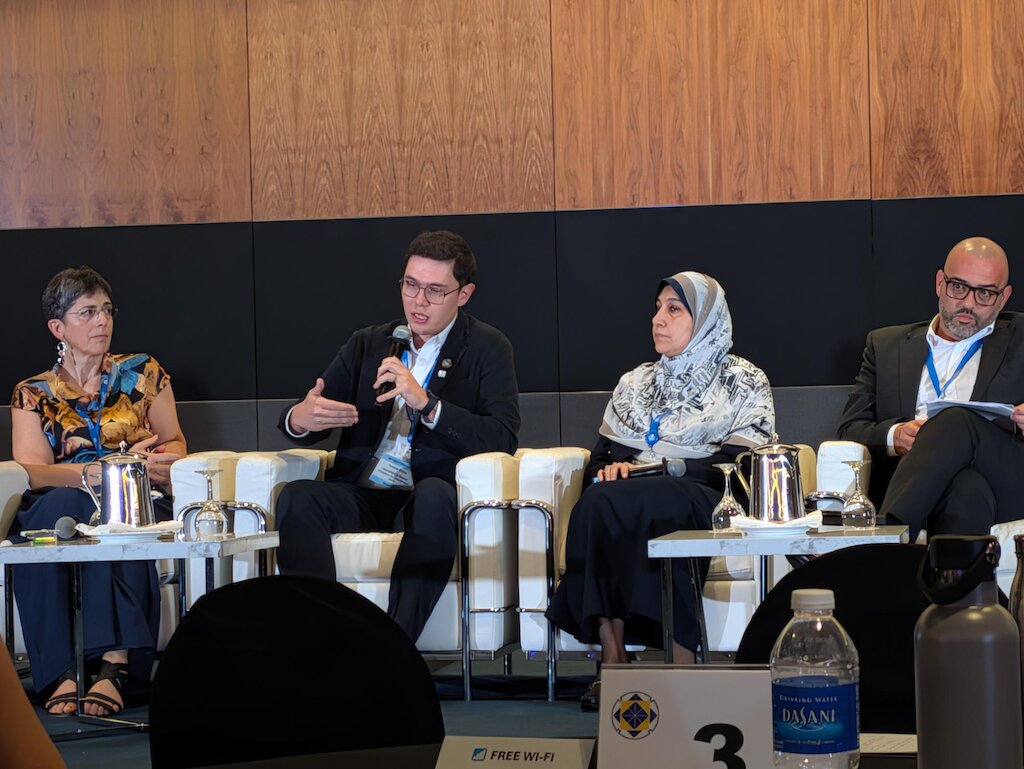
Ipieca insights from the IMO Research and Development Forum
Held in Singapore from 21-22 September, ahead of SpillAsia 2026, the IMO Research and Development (R&D) Forum brought together regulators, researchers, industry representatives and emergency responders from around the world to examine emerging preparedness and response challenges associated with the maritime energy transition.
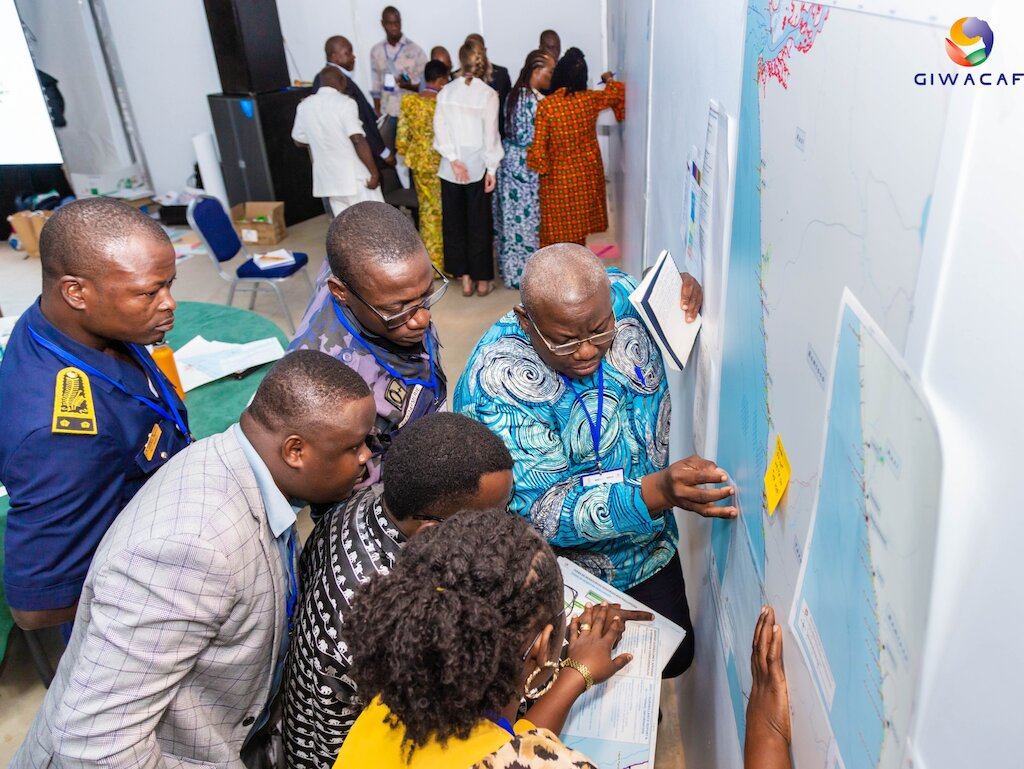
The IMO-Ipieca Global Initiative celebrates 30 years
2026 marks 30 years since the Global Initiative (GI) was established. Throughout that time, the GI has helped to prevent and minimise the impact of spills on the marine environment, protect local communities and ensure the safety of maritime workers.
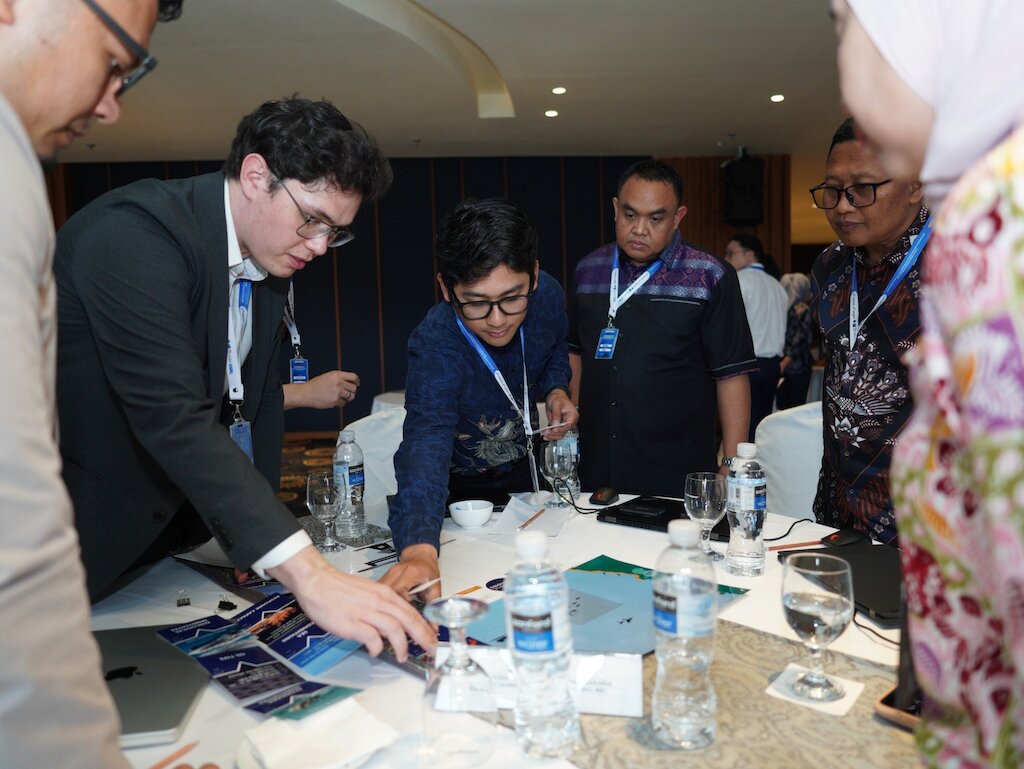
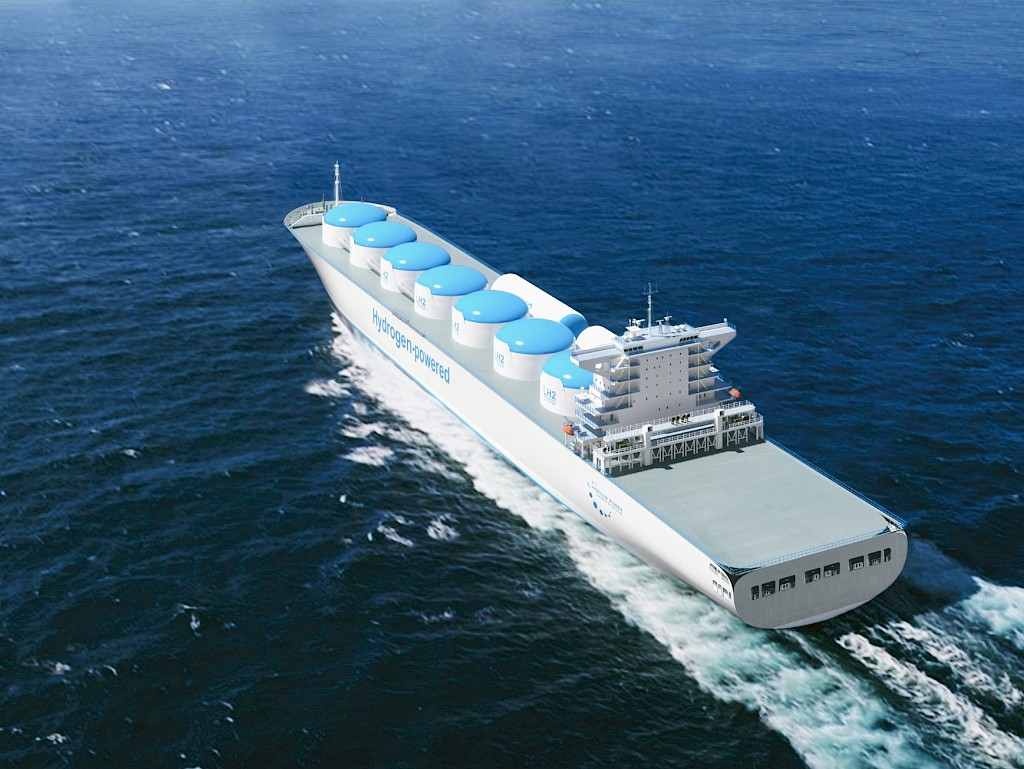
Future marine fuels and technology - new website launched
The website has been developed by the Future Fuels and Technology Project (FFT Project), a partnership project between IMO and the Republic of Korea, supporting the development of new regulation within the possible IMO Net-Zero Framework to achieve the targets contained in the 2023 IMO GHG strategy.