Key themes emerging from the workshop
Building on existing experience
Across sectors, there is considerable practical experience with chain of custody systems, particularly mass balance approaches. Many speakers highlighted the benefits of drawing on lessons from established certification schemes and regulatory frameworks rather than developing entirely new approaches for maritime fuels.
Integrity depends on robust governance
Participants repeatedly highlighted that environmental integrity depends not only on the chain of custody model selected, but also on the governance arrangements surrounding it. Auditing, verification, certification schemes, registries and safeguards against double counting were identified as important elements of any credible system.
Balancing integrity and practicality
Presentations noted that different chain of custody models offer varying balances between traceability, operational feasibility, scalability and cost. Several speakers stressed the importance of selecting approaches that reflect the realities of global fuel supply chains while supporting the scale-up of low-emissions fuels.
The importance of alignment
The discussions highlighted the need to consider how future IMO arrangements interact with existing certification schemes, regulatory systems and traceability platforms. Alignment across frameworks may help reduce administrative burden while supporting confidence in sustainability and emissions claims.
Ipieca's contribution
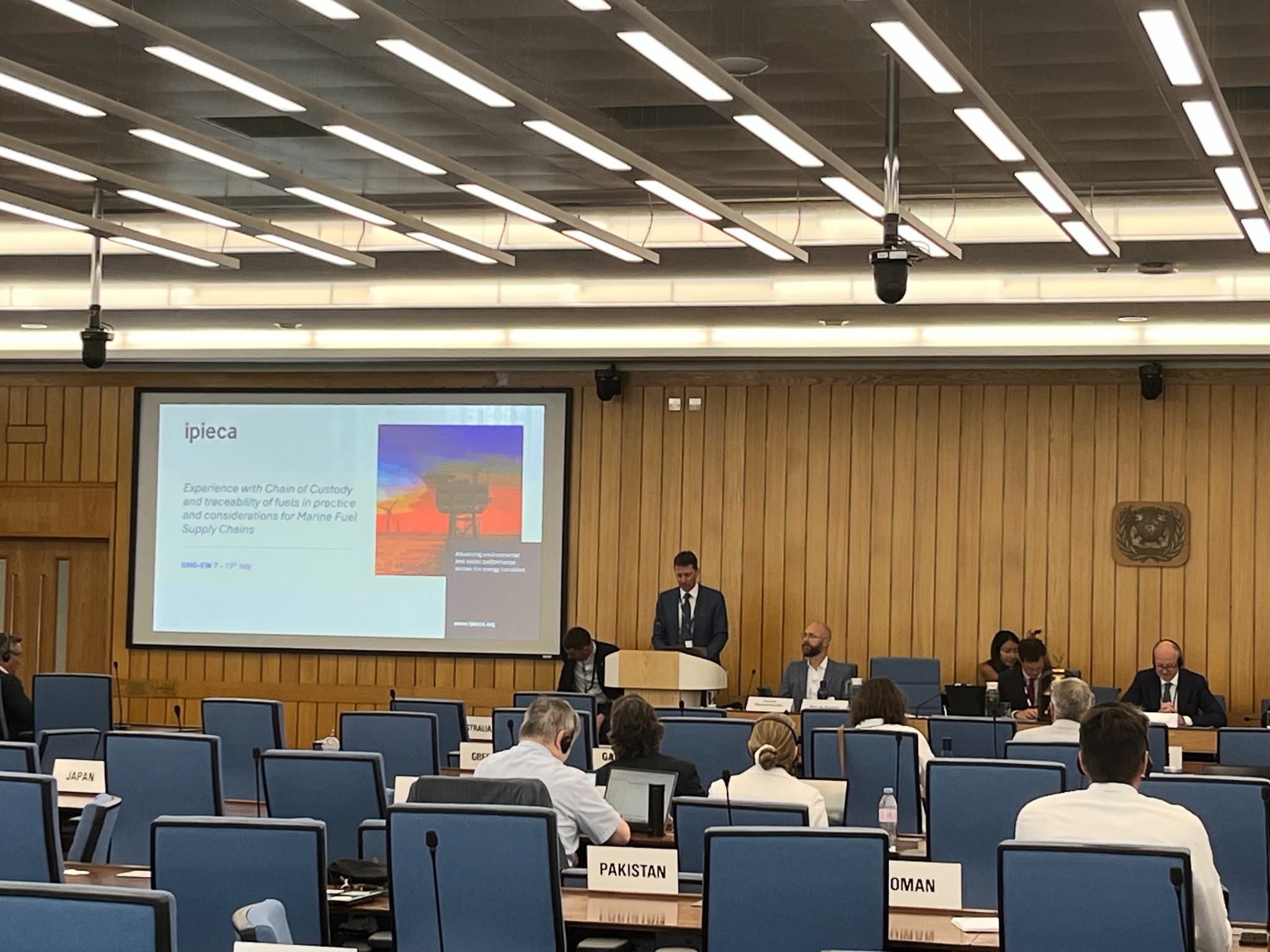
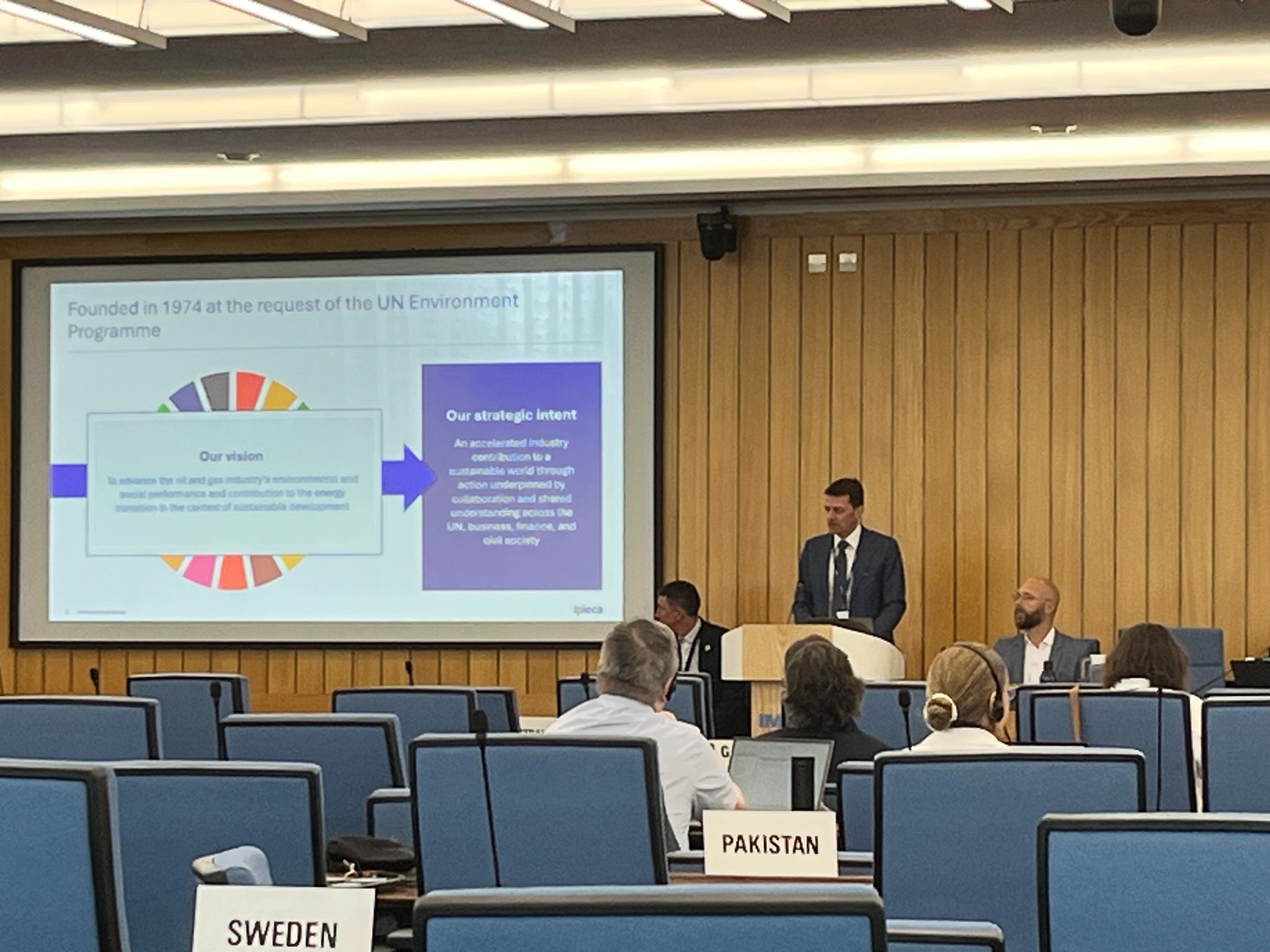
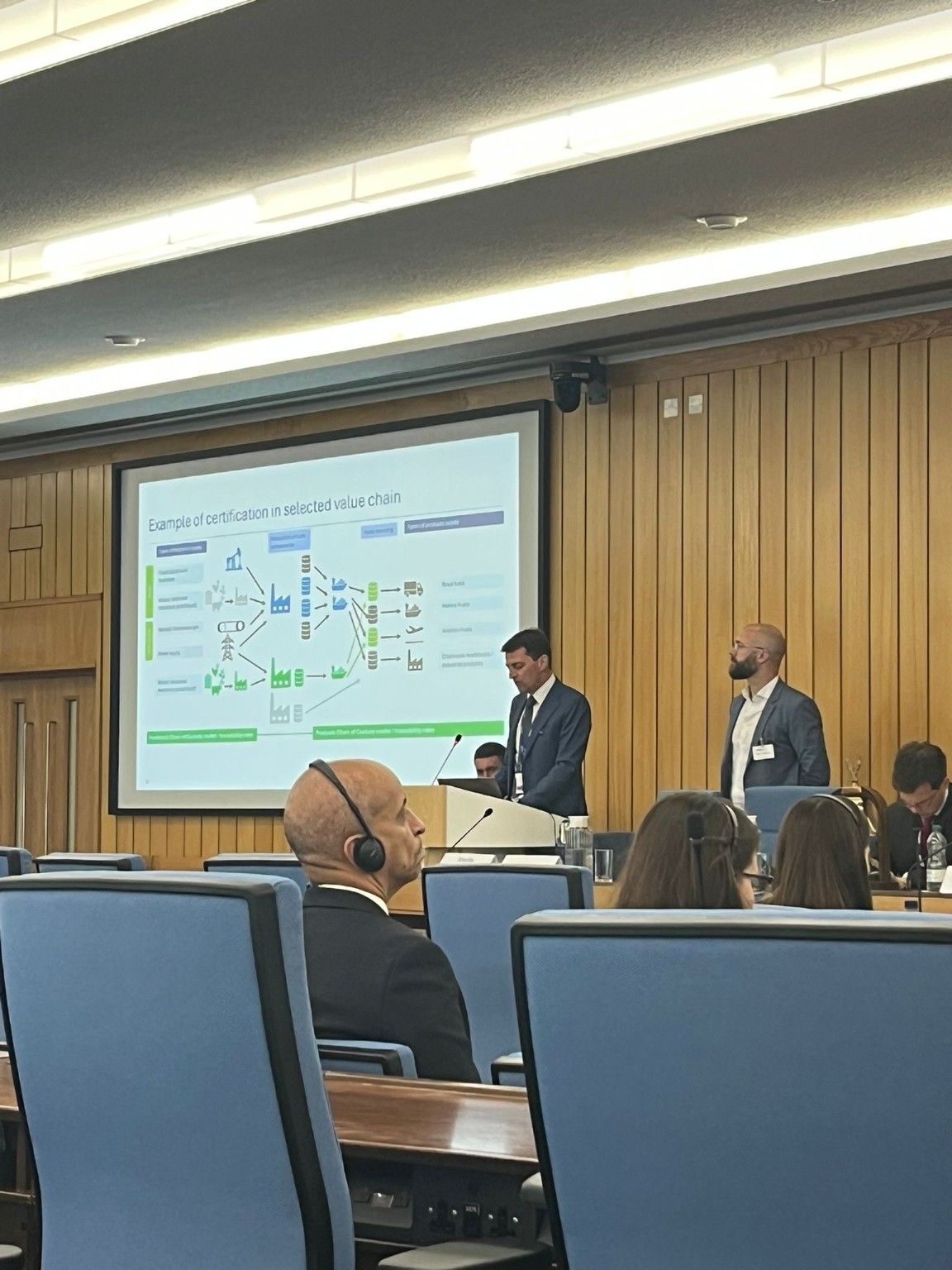
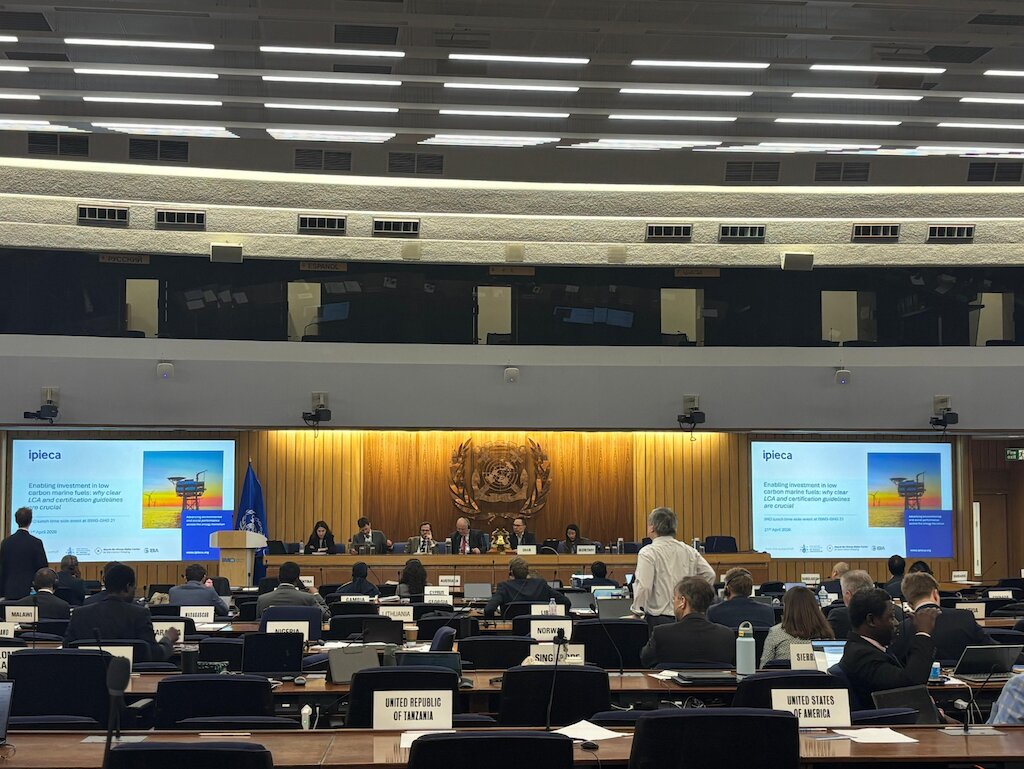
Ipieca participated in the workshop by sharing practical experience from fuel supply chains that already operate under chain of custody and traceability requirements.
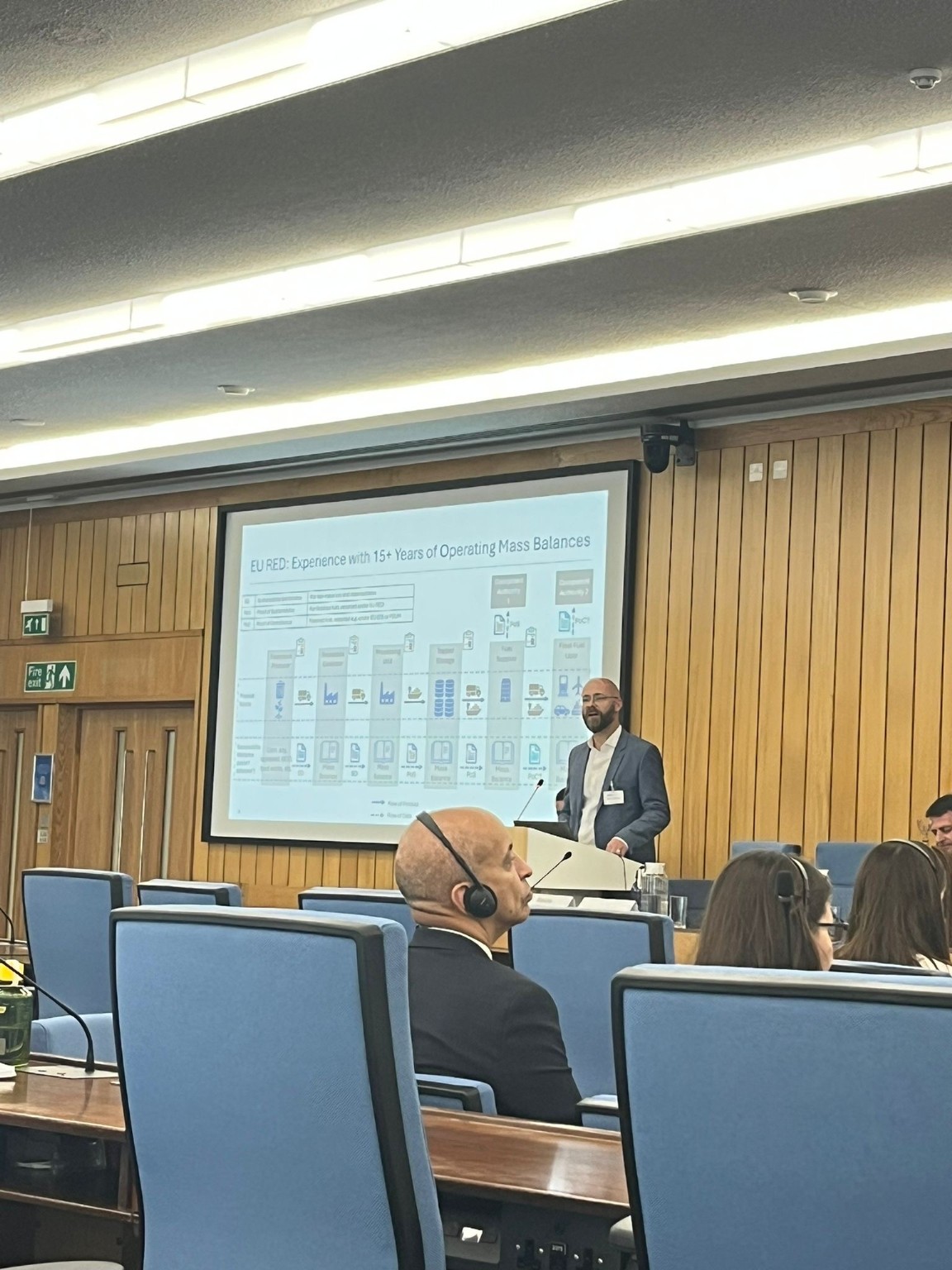
Drawing on experience with mass balance systems under the EU RED, as well as examples from the CORSIA framework, Ipieca highlighted some key considerations, including:
- Marine fuel production is highly interconnected with other transport fuel and industrial value chains
- Decisions on marine fuel traceability needs to consider approaches already established across related sectors
- Fuel suppliers may need to demonstrate compliance with multiple regulatory frameworks and certification systems simultaneously
As the IMO continues developing sustainable fuel certification arrangements, the workshop highlighted the importance of building on existing experience while ensuring traceability systems remain credible, practical and adaptable to the diverse fuel pathways and supply chains expected to support maritime decarbonisation.
With upcoming IMO meetings taking place in September and November 2026, Ipieca will continue to support the IMO’s work to decarbonise the maritime industry, providing technical expertise and industry guidance.
How Ipieca supports the IMO Net Zero Framework.