Ipieca insights from the IUCN World Conservation Congress
29 October 2025
The IUCN World Conservation Congress is the world's largest conservation gathering. The 2025 edition brought together over 10,000 nature conservation experts, leaders and decision-makers from around the world in Abu Dhabi from 9 to 15 October.
The Congress addressed five interlinked themes:
Scaling up resilient conservation action
Reducing climate overshoot risks
Delivering on equity
Transitioning to nature-positive economies and societies
Disruptive innovation and leadership for conservation
Key insights from the Congress
Energy transition with positive impacts on nature
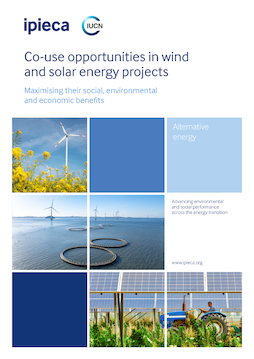
The importance of integrated land-use planning as a key enabler for aligning renewable energy development with biodiversity conservation was highlighted. Case studies from the solar, wind, and hydropower sectors demonstrated how co-use of infrastructure and conservation areas can optimise land use, reduce conflicts, and deliver biodiversity gains. See the Ipieca-IUCN Co-use opportunities in wind and solar energy projects for guidance and advice
Renewable energy pathways should restore ecosystems, reduce biodiversity loss, and avoid harm to sensitive habitats—while phasing out fossil fuels responsibly
Just energy transition
Supporting nature conservation by shifting to clean energy that does not create new environmental and social harm, ensuring that communities are included in decisions and mitigating climate change impacts
Calling for the full participation of Indigenous Peoples, local communities, NGOs and civil society
Collaboration and capacity building
A recurring theme was the importance of matching local nature contributions to regional, national and global frameworks, including the Kunming-Montreal Global Biodiversity Framework (GBF) and National Biodiversity Strategies and Action Plans. Collaboration is at the heart of the alignment to ensure corporate biodiversity actions are not only locally relevant, but also globally impactful
Strengthening partnerships across sectors and regions, and investing in local capacity, knowledge exchange, and institutional support to scale up effective conservation and climate action and social equity
Outcomes from the Congress
New quadrennial IUCN Programme 2026-2029. The four-year programme follows two major imperatives: to scale up inclusive and socially just conservation in land, freshwater and ocean and to assist this scaling-up by directly supporting transformations within eight key sectors that currently have a major negative impact on biodiversity.
Food and agriculture
Forestry
Water
Infrastructure
Extractives
Wildlife trade
Finance
Climate mitigation and adaptation
New 20-year strategic vision for IUCN, ‘Unite for Nature on the Path to 2045’, setting an agenda for global conservation to conserve the integrity and diversity of nature and ensure any use of natural resources is both equitable and ecologically sustainable.
Put nature first: protect and restore biodiversity and as vital to human well-being, while supporting and empowering local communities
Work together globally: strengthen international cooperation and align policies to integrate nature across all sectors
Promote fairness and inclusion: ensure equal rights and participation for women, youth, Indigenous Peoples and environmental defenders
Drive evidence-based solutions: combine science and Indigenous knowledge, and invest in research, education and technology
Mobilise resources: increase and align funding, skills and tools to build nature-positive economies and resilient communities
150 motions adopted by the IUCN Members’ Assembly (its decision-making body responsible to set policies and priorities) on diverse areas including biodiversity, climate, health, ecocide and plastic pollution.
The following motions are relevant to the oil and gas industry:
Motion 006: Regional or subnational protected areas for 30% by 2030. Promoting the model of regional or sub-national protected natural areas to achieve the global target of 30% protected and conserved areas by 2030
Motion 038: Driving synergy for a net zero, nature positive and just energy transition highlighting the need to transition away from fossil fuels
Motion 042: Addressing the climate and biodiversity crises through fossil fuel supply-side measures and a just transition mentioning transition away fossil fuels
Motion 085: Amplifying the role of the private sector in achieving a nature positive world, including public-private partnerships, nature-related disclosures, and adherence to the mitigation hierarchy
Motion 073: Defining a robust Nature Positive for Business framework, to mobilise corporate, civil society and government support for high-integrity nature positive contributions aligned with the GBF
Motion 094: Recognising the importance of Indigenous languages, traditional knowledge and cultural heritage in biodiversity conservation
Launch of the Rapid High Integrity Nature Positive Outcomes (RHINO) framework to help governments, businesses, and civil society rapidly identify, act on and measure nature-positive interventions aligned with global biodiversity and sustainability goals.
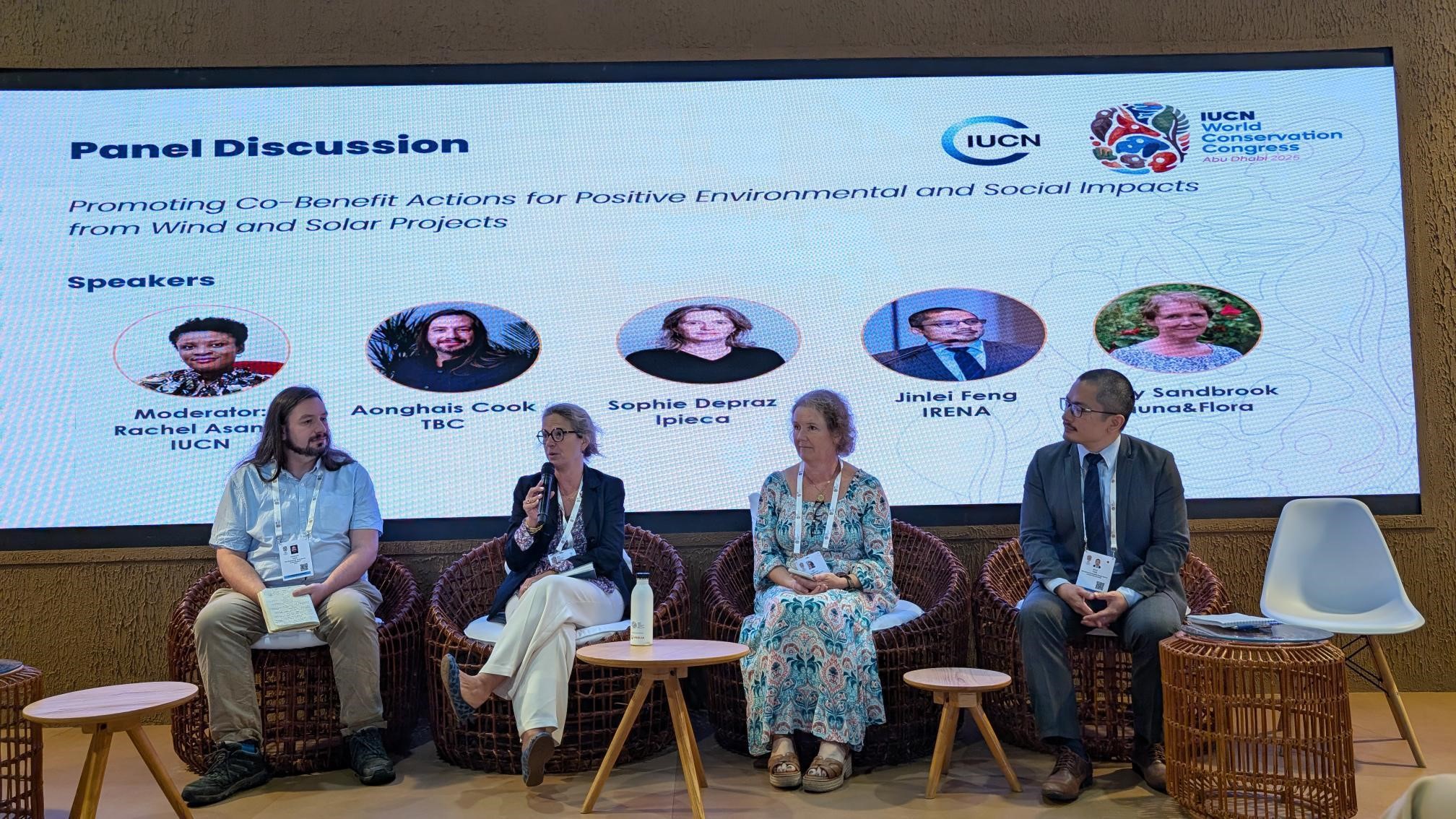
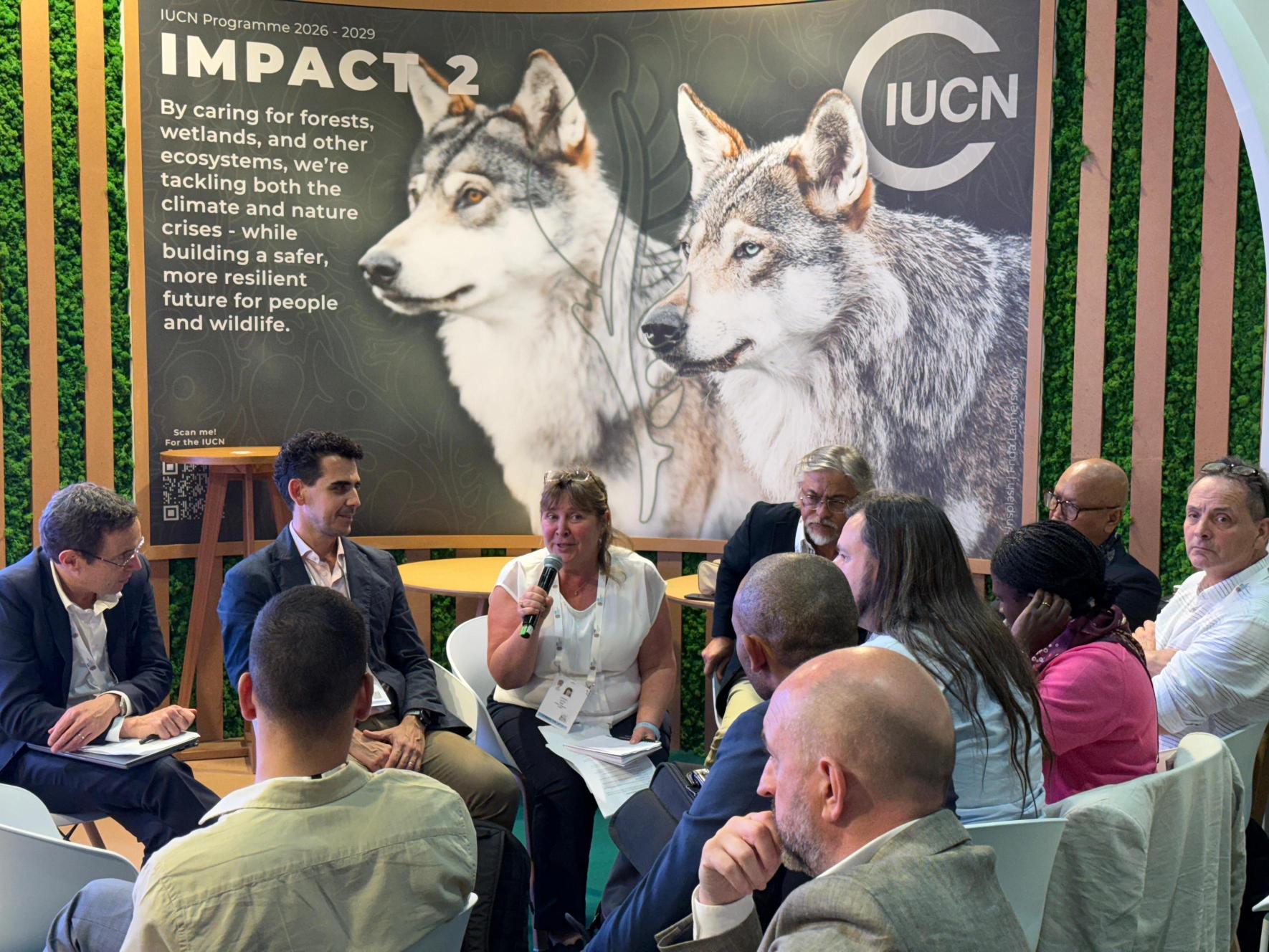
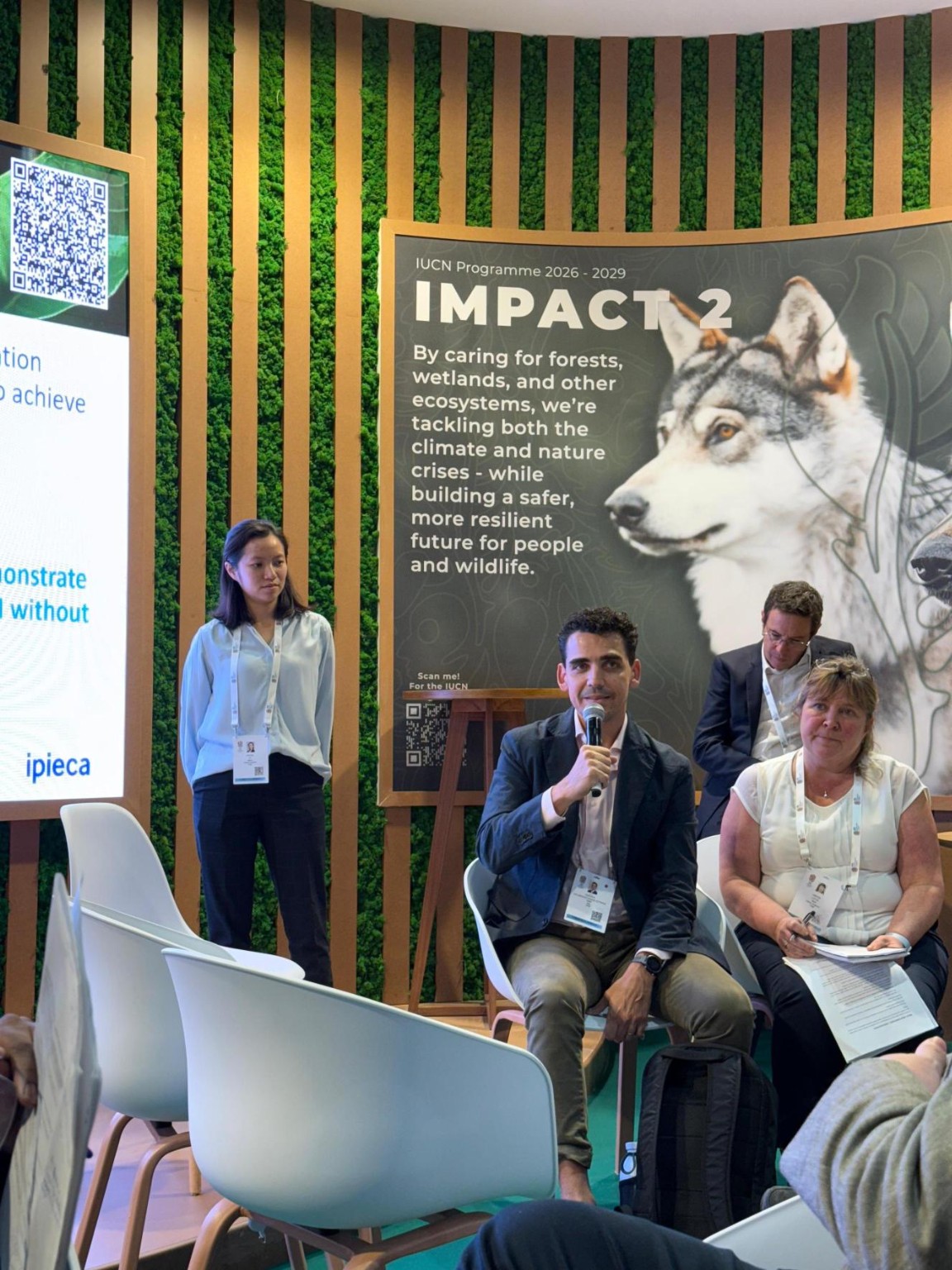
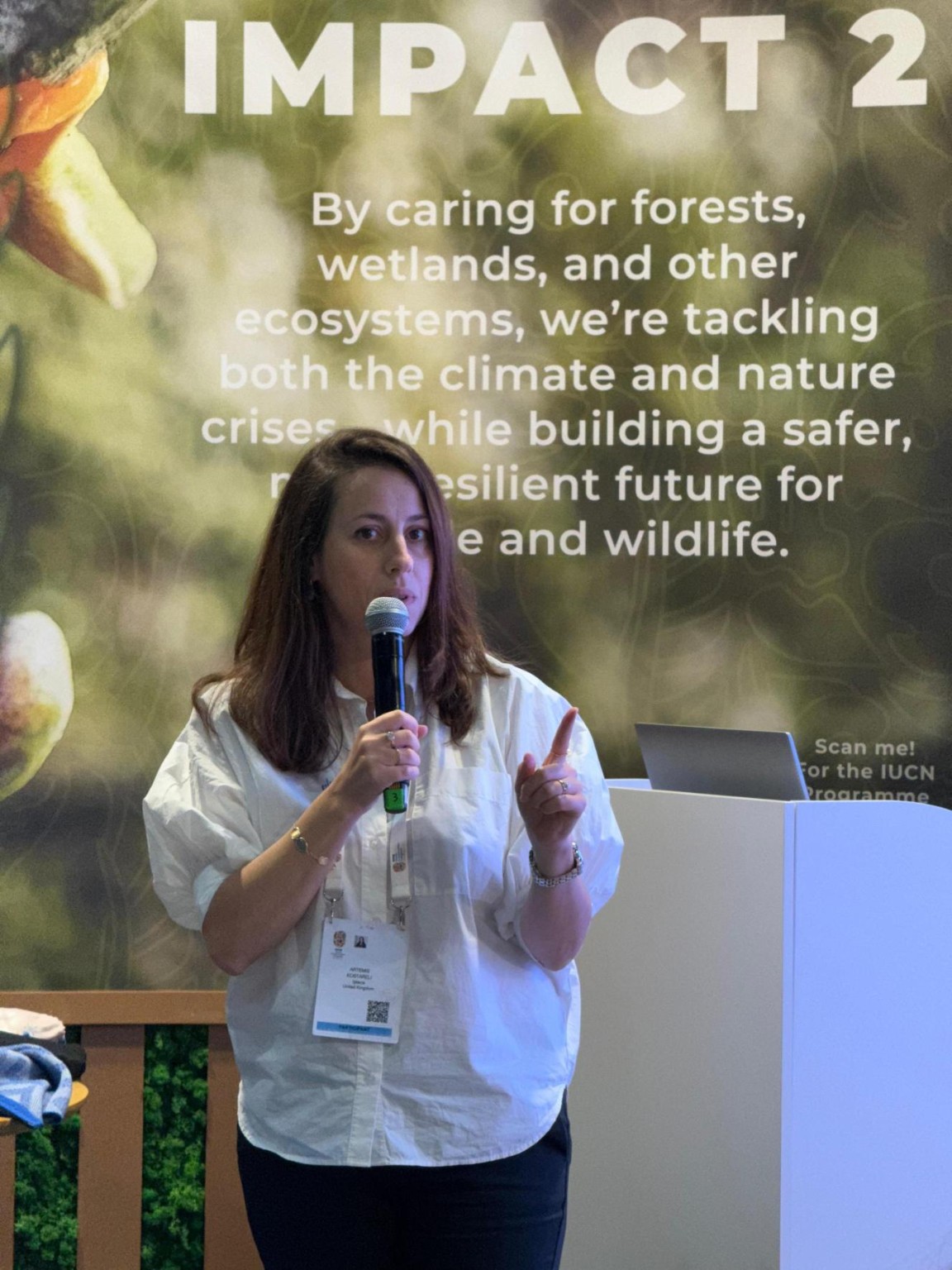
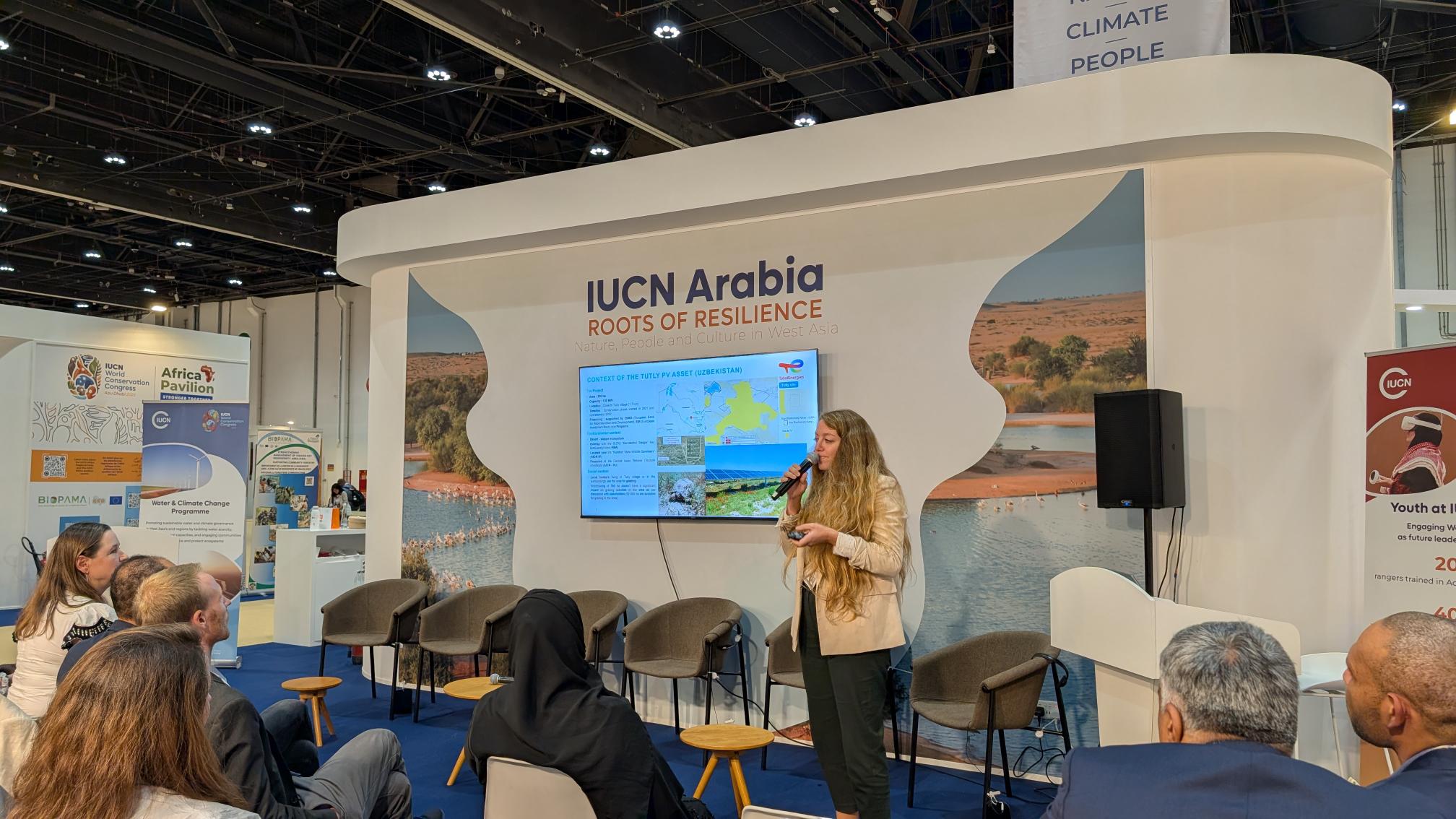
Launch of the Ipieca-IUCN Co-use opportunities in wind and solar energy projects guidance. Ipieca Vice Chair Karen Westley (Shell) and Ipieca Deputy CEO Sophie Depraz took part in two panels on promoting co-benefit actions for positive environmental and social impacts from wind and solar projects, launching the joint guidance.
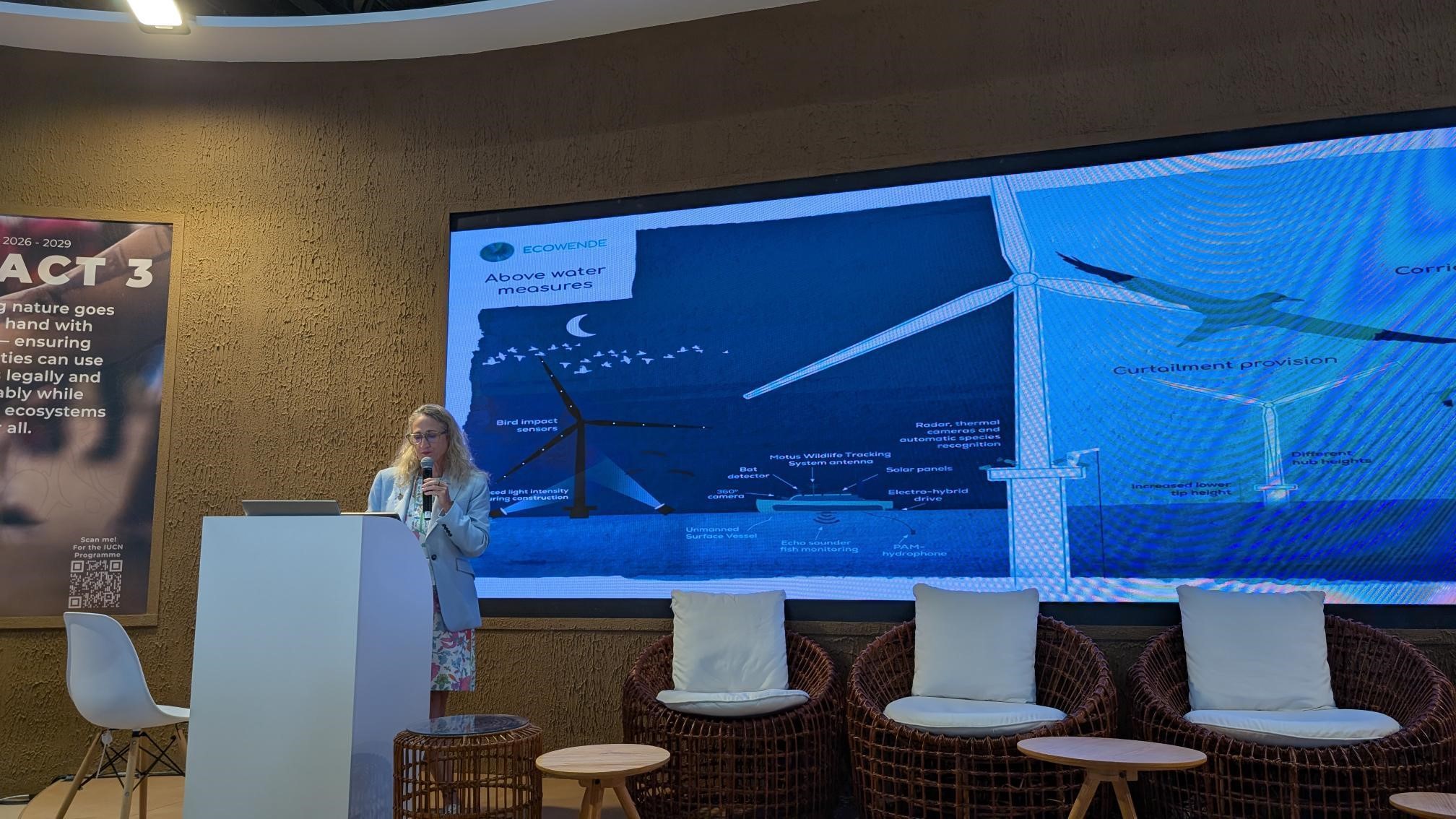
Ipieca Vice Chair Karen Westley (Shell) and Ipieca Deputy CEO Sophie Depraz present on the IUCN co-use of renewables panel.
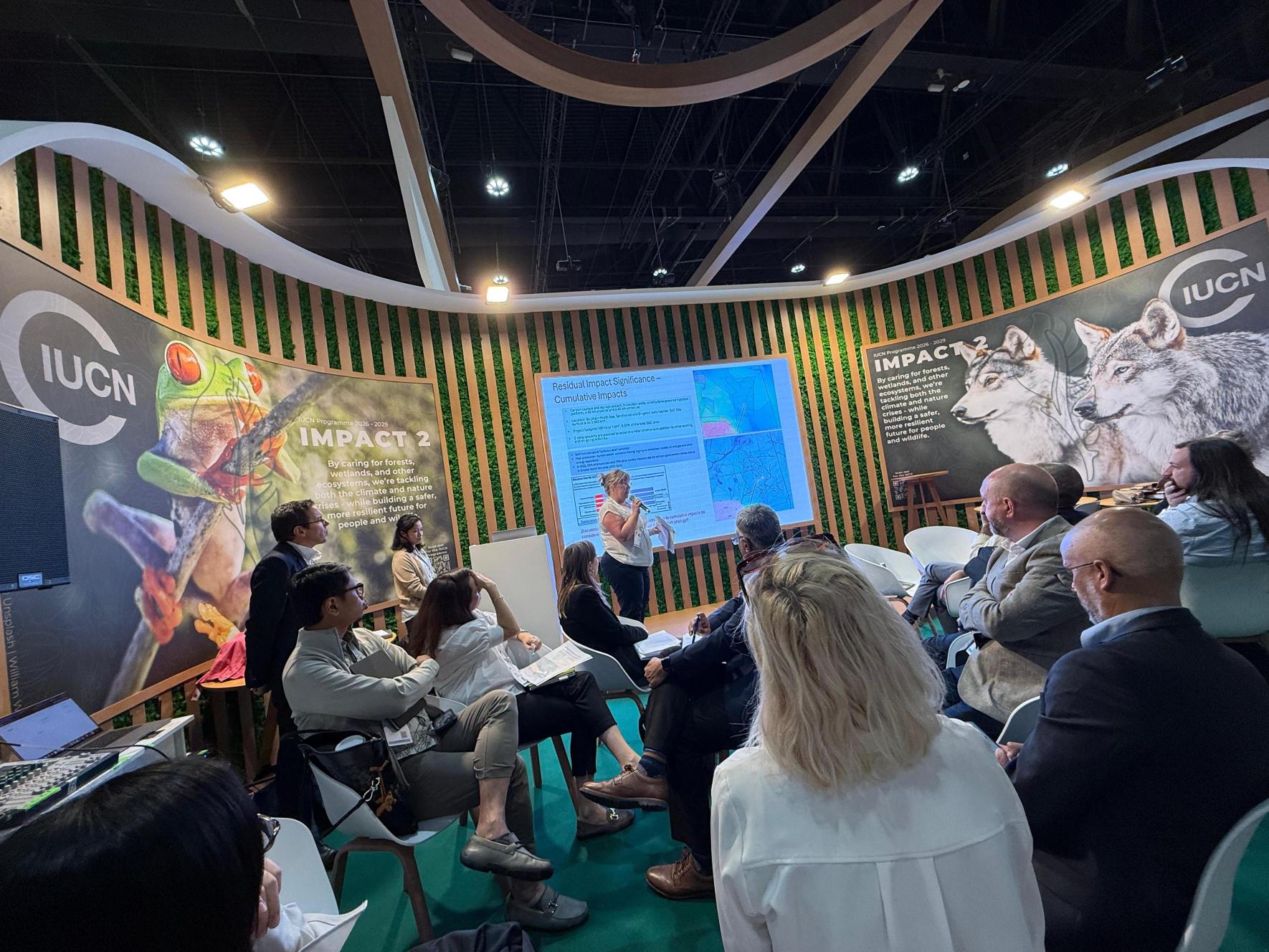
Ipieca and IUCN hosted a workshop to refine the marine NPI principles for the energy sector. The session brought together over 30 practitioners and stakeholders, reflecting a growing industry interest to achieve positive biodiversity outcomes in the marine environment, which is particularly complex.
The Ipieca marine net positive impact in the energy sector workshop.
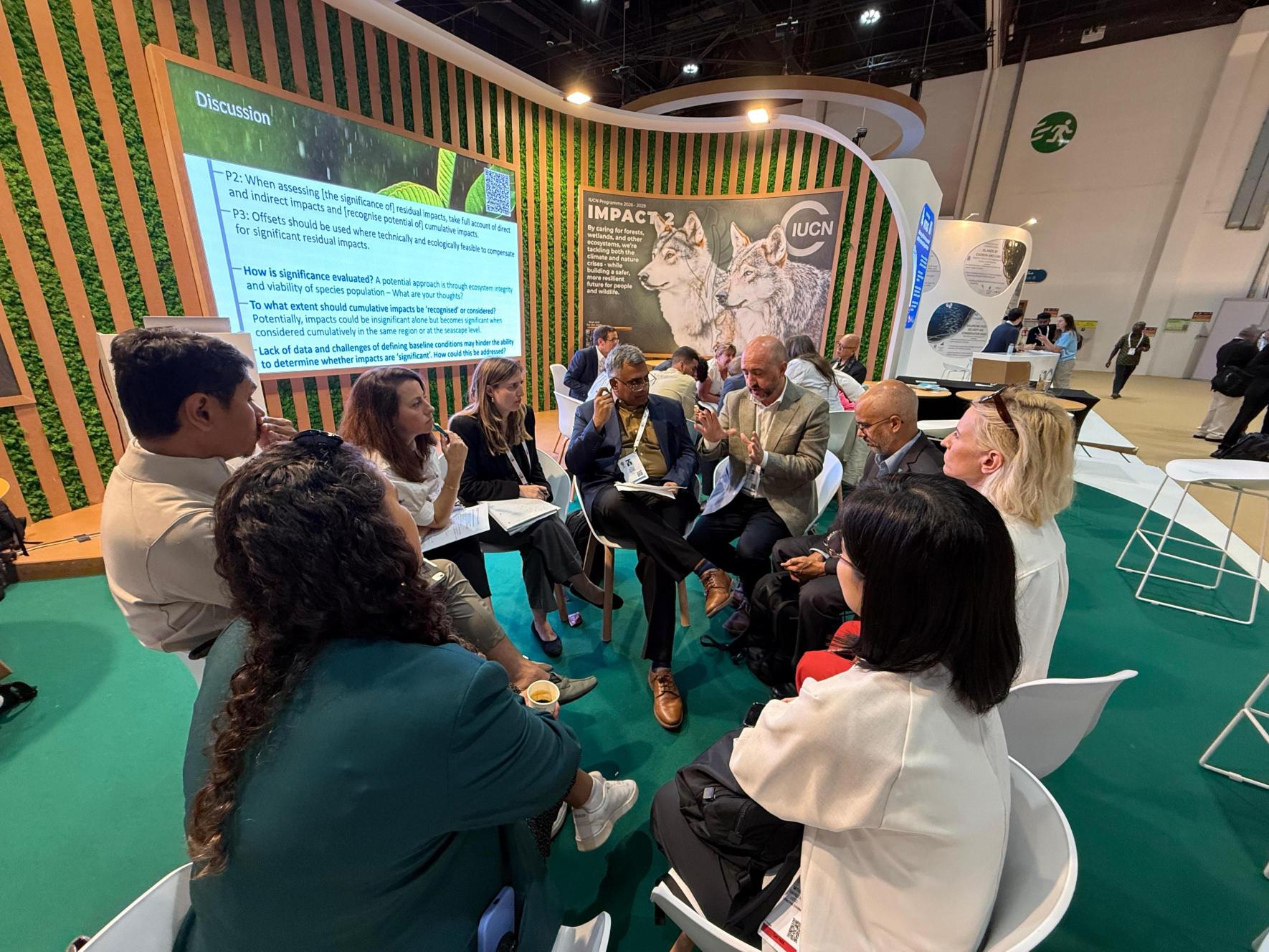
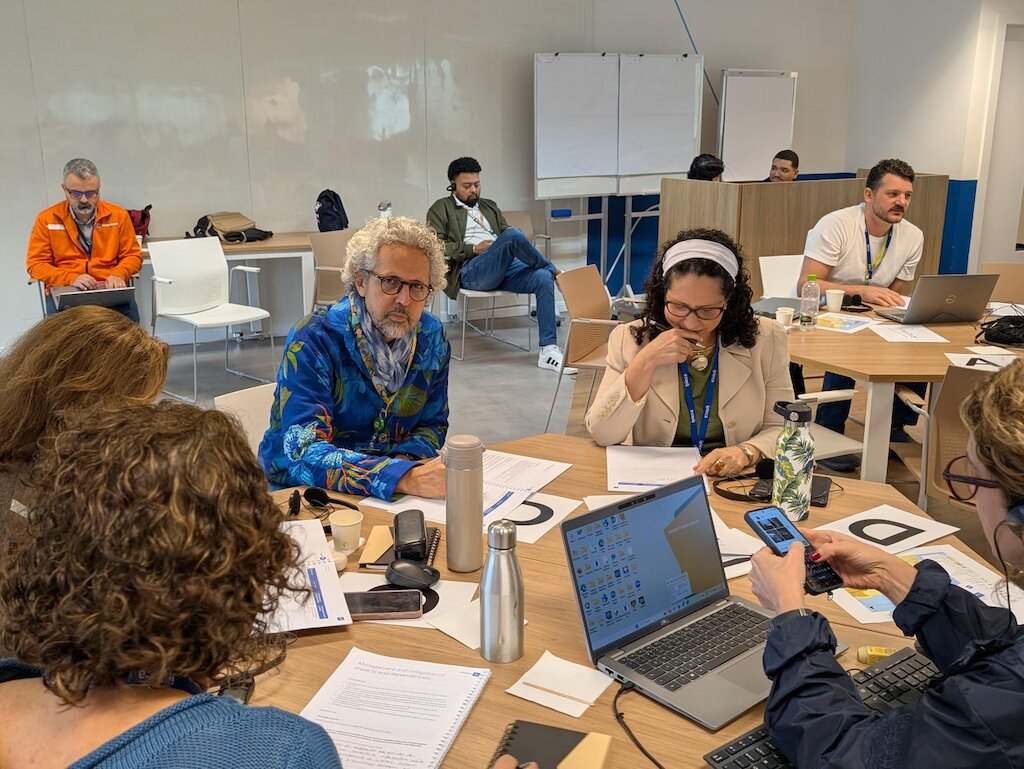
The Ipieca-IUCN biodiversity peer-to-peer workshop enabled the exchange of real-world case studies and lessons learned to mainstream biodiversity in operations and management systems, supporting capacity building across the sector.
The Ipieca biodiversity ecosystems services peer-to-peer workshop.
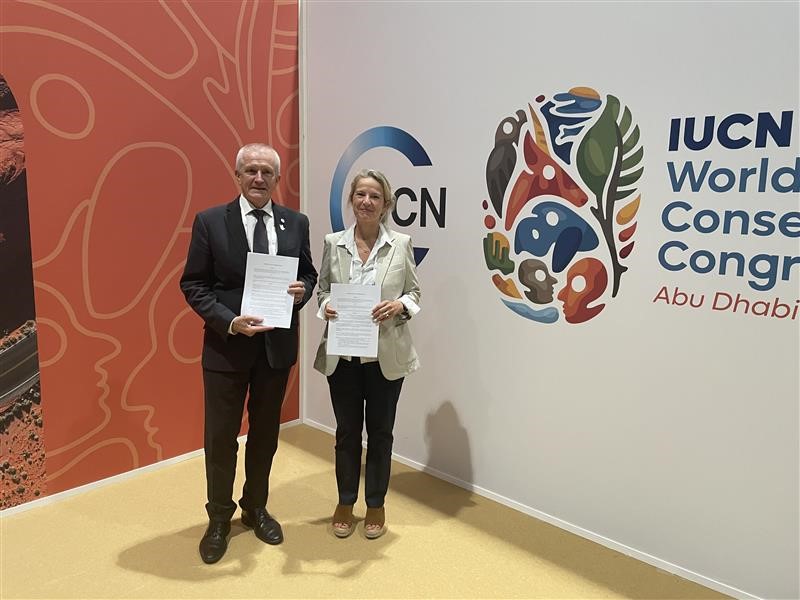
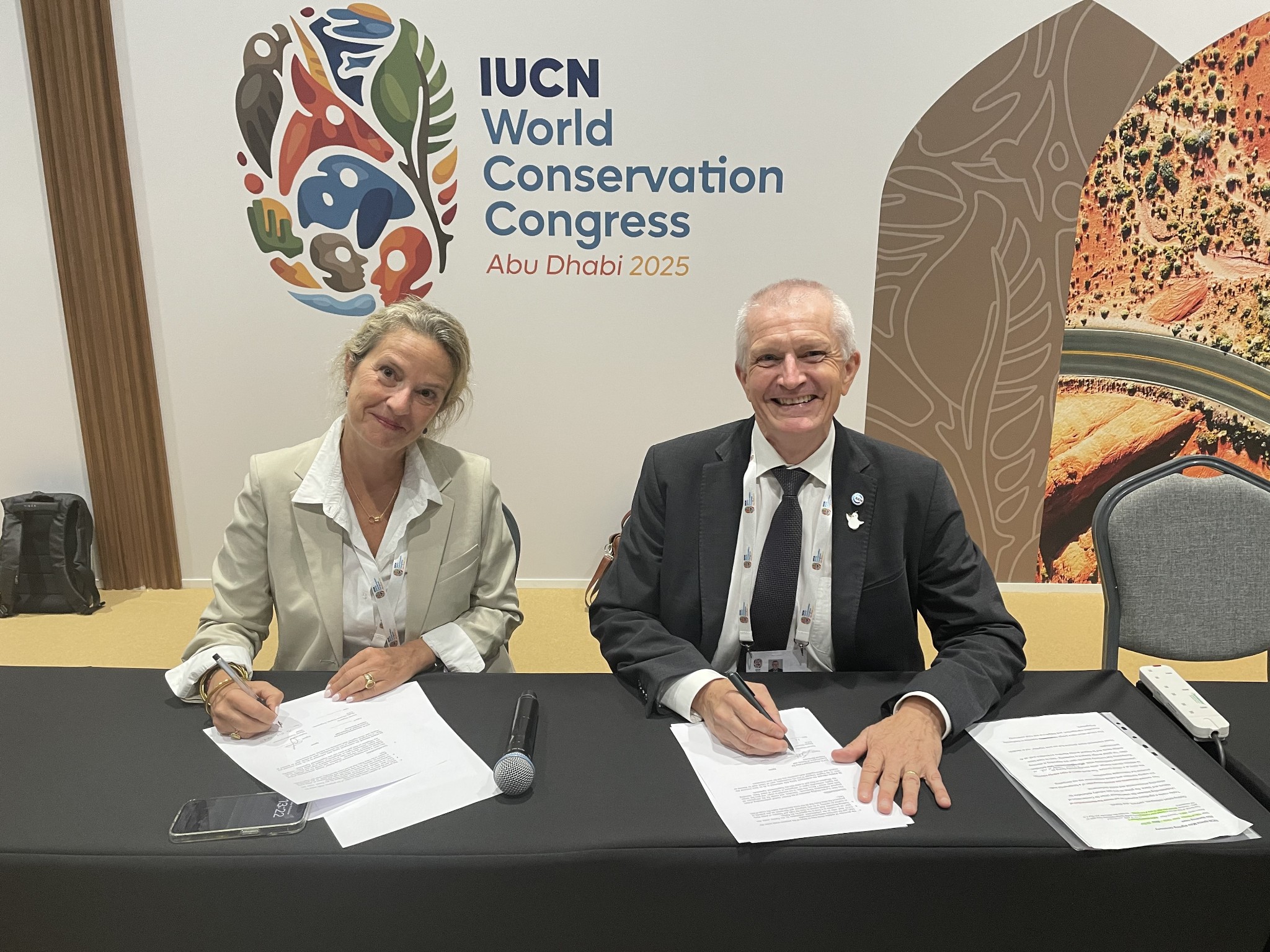
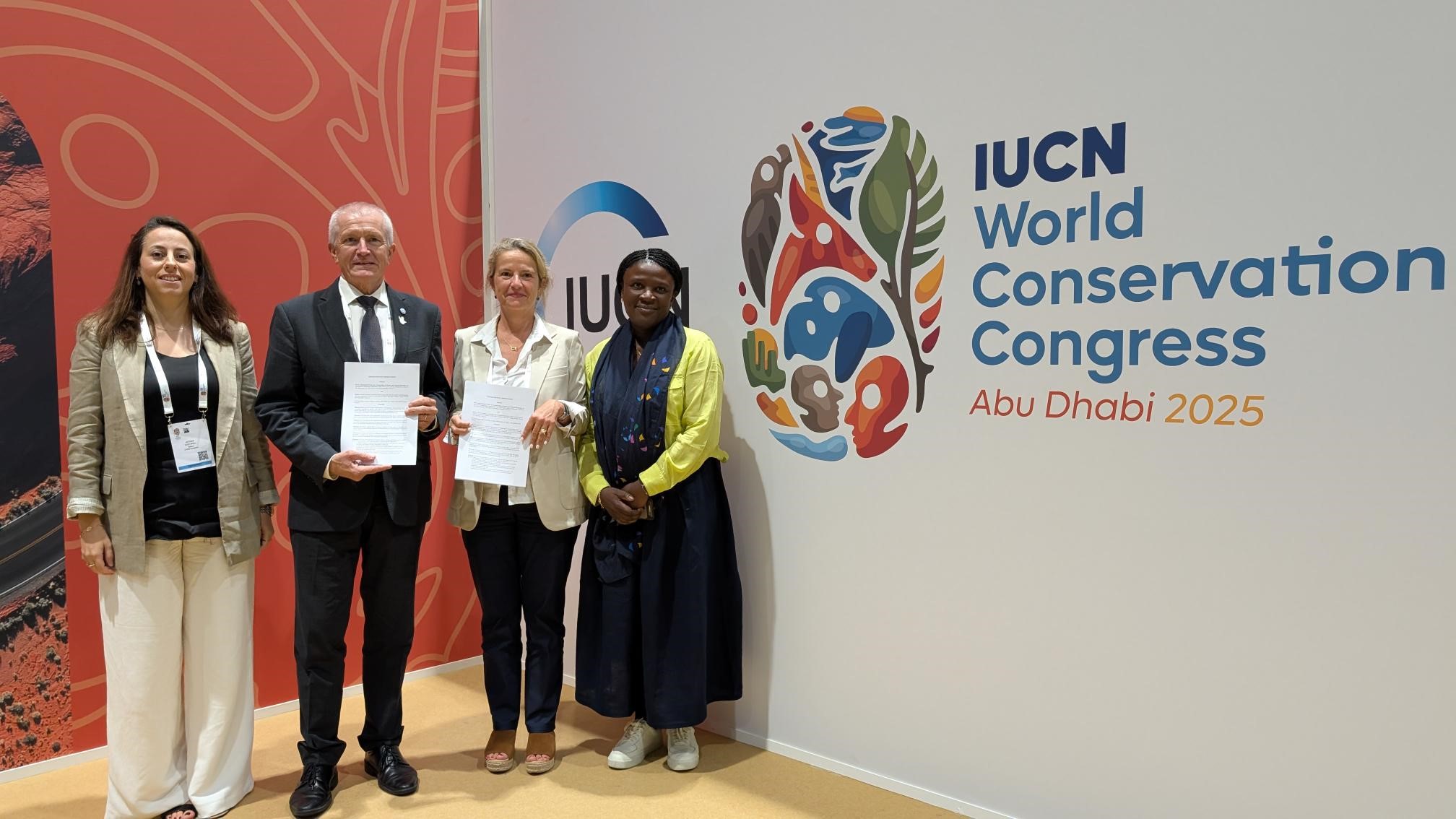
The Congress provided a platform to update the Ipieca-IUCN memorandum of understanding, reaffirming a shared vision to navigate the energy transition in a holistic way that cares for nature and leaves no one behind.
Ipieca-IUCN MoU signing ceremony.
Ipieca also hosted and participated in various leadership roundtable events, aiming to build partnership and accelerate knowledge transfer in emerging markets and the alternative energy sector.
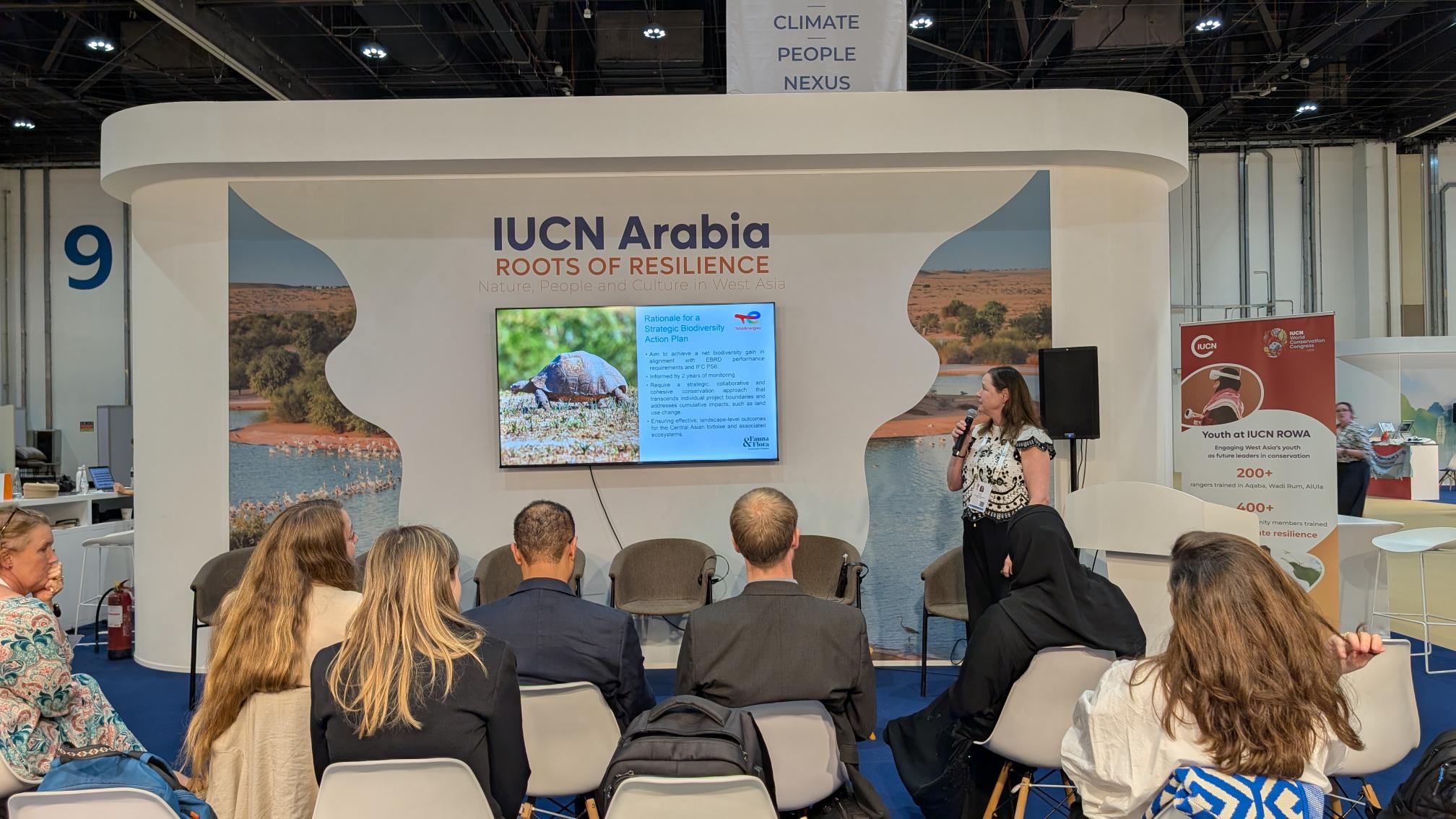
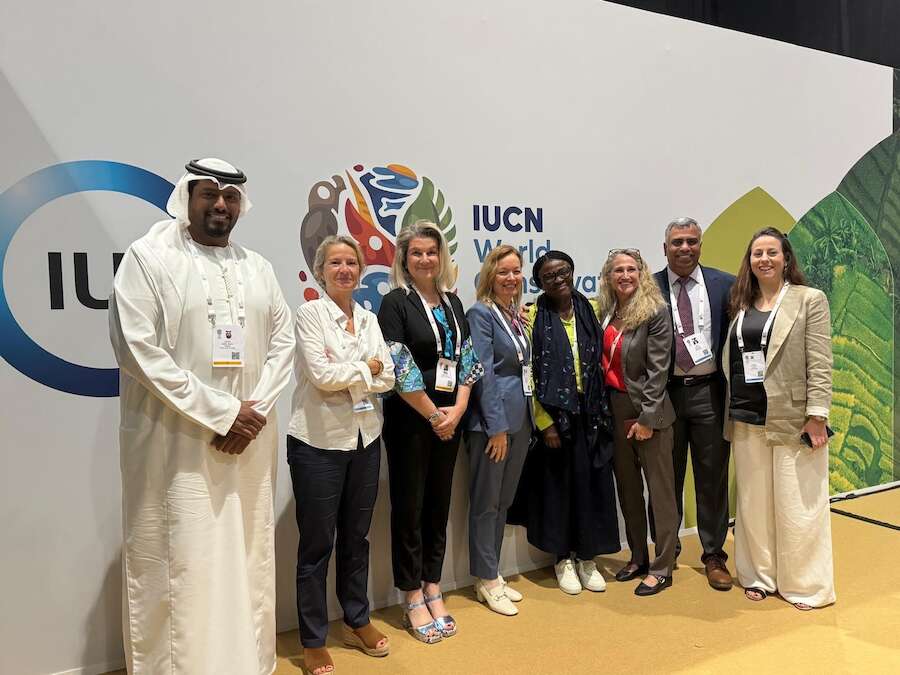
The Ipieca leaders’ roundtable, offered a platform for senior executives and SMEs from Ipieca members and stakeholders to shape a shared vision for Ipieca BES leadership. We were honoured to welcome Adnan Aqeel Madhi, (VP, Group Environment OH and Social Risk, ADNOC) and Joe Walston (Executive VP, Global Conservation Programme, Wildlife Conservation Society) to set the scene, providing insights on the climate and nature initiatives, before a knowledge sharing session which convened nature leaders and executives from Ipieca member companies (ADNOC, PETRONAS, Shell and TotalEnergies) and the following stakeholders:
Rachel Asante-Owusu, Senior Programme Coordinator, IUCN’s Global Climate Change and Energy Transition
Alex Ross, Senior Programme Officer, Nature Economy, United Nations Environment Programme World Conservation Monitoring Centre (UNEP WCMC)
Libby Sandbrook, Director or Business and Nature, Fauna & Flora
Dr Adeline Serckx, Strategic Director, The Biodiversity Consultancy
Manuel Widmann, Fund Manager, EBRD
Ipieca also facilitated the PETRONAS roundtable on the energy-nature nexus in the energy transition looking at key priorities for the energy transition to embed nature and biodiversity.
Ipieca biodiversity peer-to-peer workshop 2026 - Brazil
30 September 2026
The three-day Ipieca workshop and field trips, hosted by Petrobras and facilitated by IUCN, brought together biodiversity specialists from across the oil and gas industry to share knowledge, good practices and practical skills.
Ipieca-Energy Institute-CIRIA publish 'Embedding circularity across the life cycle of assets'
13 July 2026
The guidance outlines a practical framework for incorporating circularity throughout the life cycle of energy and other infrastructure assets, supported by case studies.
Ipieca celebrates World Oceans Day 2026
8 June 2026
Ipieca guidance and resources to help protect the ocean.
World Water Day 2026
22 March 2026
The 2026 theme ‘Water and gender’ emphasises safe drinking water and sanitation as fundamental human rights and critical enablers of gender equality, directly contributing to Sustainable Development Goals 5 and 6.