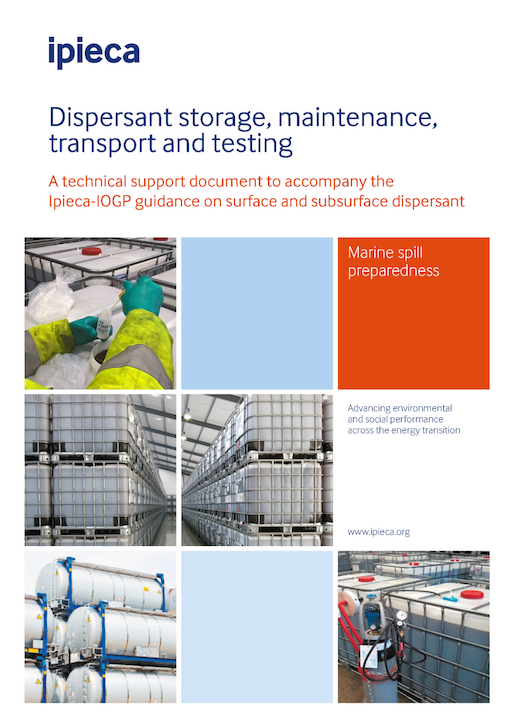
Ipieca publishes updated Dispersant storage, maintenance, transport and testing technical support document
22 January 2026
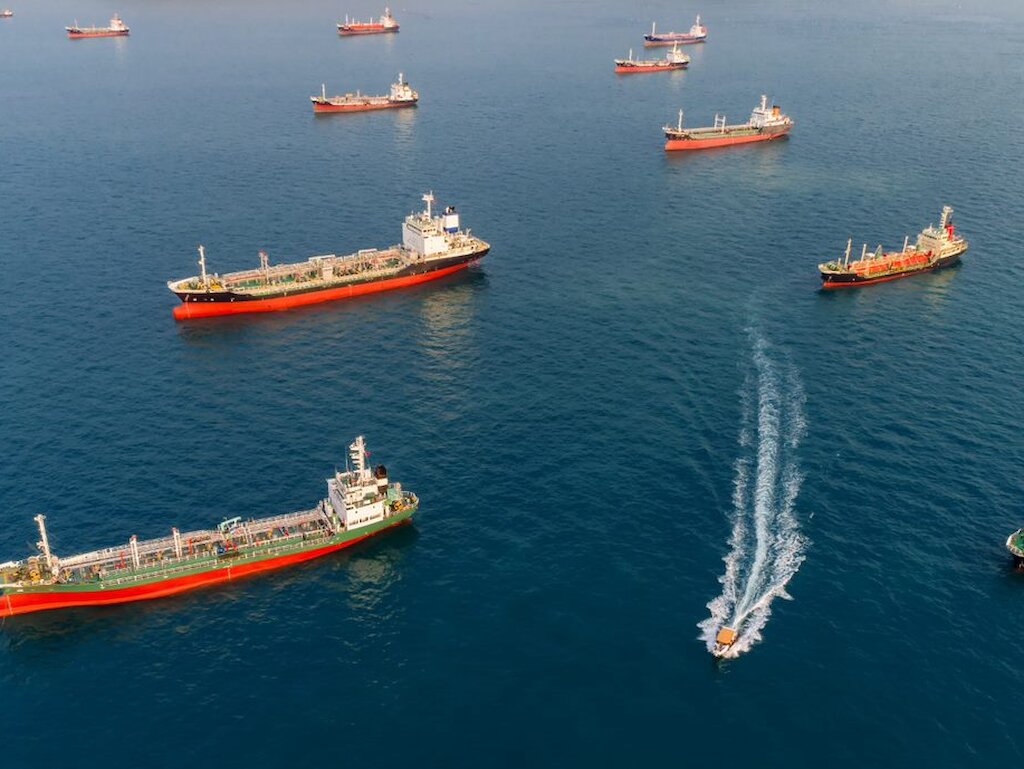
Dispersants can be used to mitigate the overall impact of an oil spill by removing oil from the sea’s surface, thereby protecting marine mammals, birds, coastal habitats and shorelines. They can also improve responder health and safety by reducing the concentrations of volatile organic compounds in the vicinity of a subsea well release.
Due to the priority placed on the prevention of oil spills by both regulators and the oil and shipping industries, it is likely that dispersant stockpiles will remain unused and stored for many years. It is important that dispersants within stockpiles remain effective and fit for purpose.
What does it cover?
Introduction
Key messages
Composition of dispersants
Hazard classification and labelling
Shelf life
Storage
Maintenance
Retesting
Disposal
Who is it for?
This report provides guidance and recommendations for personnel who may be responsible for the procurement and custodianship of dispersant stocks.
The IMO-Ipieca Global Initiative celebrates 30 years
21 September 2026
2026 marks 30 years since the Global Initiative (GI) was established. Throughout that time, the GI has helped to prevent and minimise the impact of spills on the marine environment, protect local communities and ensure the safety of maritime workers.
Ipieca celebrates World Oceans Day 2026
8 June 2026
Ipieca guidance and resources to help protect the ocean.
Ipieca-OSRL publish 'Plastic pellets clean-up field guide'
30 January 2026
Effective plastic pellets clean-up relies on early planning, accurate assessment, and response techniques matched to shoreline type, sensitivity, and contamination levels.
Oil spill waste minimization and management good practice guidelines
8 December 2025
This document introduces the principles of oil spill waste management, emphasising the need to incorporate a waste management plan as part of the oil spill contingency planning process.