Exploring co-use opportunities in renewable energy projects
In the drive for a more sustainable energy system the integration of renewable energy projects with other land uses, known as ‘co-use’, is gaining traction. This approach not only optimises land use but also enhances the social, environmental and economic benefits of renewable energy projects. 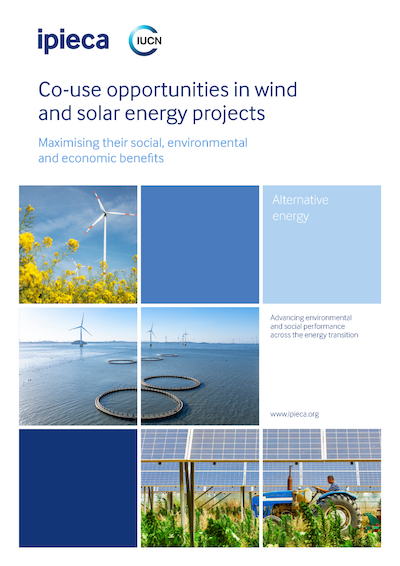
Developed by Ipieca and the International Union for Conservation of Nature (IUCN), the Co-use opportunities in wind and solar energy projects compendium delves into the potential of co-use opportunities in onshore wind and solar energy projects.
What is co-use?
Co-use refers to the intentional design and development of renewable energy projects that integrate multiple land uses to maximise their overall benefits. This can include combining renewable energy production with agricultural activities, habitat development, or urban infrastructure. The goal is to create synergies that enhance the value and impact of these projects.
Agricultural co-use
One of the primary categories of co-use is agricultural integration. This involves combining renewable energy production with farming activities. For instance, solar panels can be strategically placed to allow crops to grow underneath, a practice known as agrivoltaics. This not only generates clean energy but also provides shade for crops, reducing water evaporation and improving growing conditions. Similarly, wind farms can co-exist with livestock grazing, optimising land use without compromising agricultural productivity.
Agrivoltaics, in particular, has shown promising results. Studies have indicated that certain crops, such as lettuce and tomatoes, can thrive under the partial shade provided by solar panels. This dual-use approach not only maximises land efficiency but also contributes to food security. Additionally, the presence of solar panels can reduce soil erosion and water runoff, further benefiting agricultural lands.
Nature-based co-use
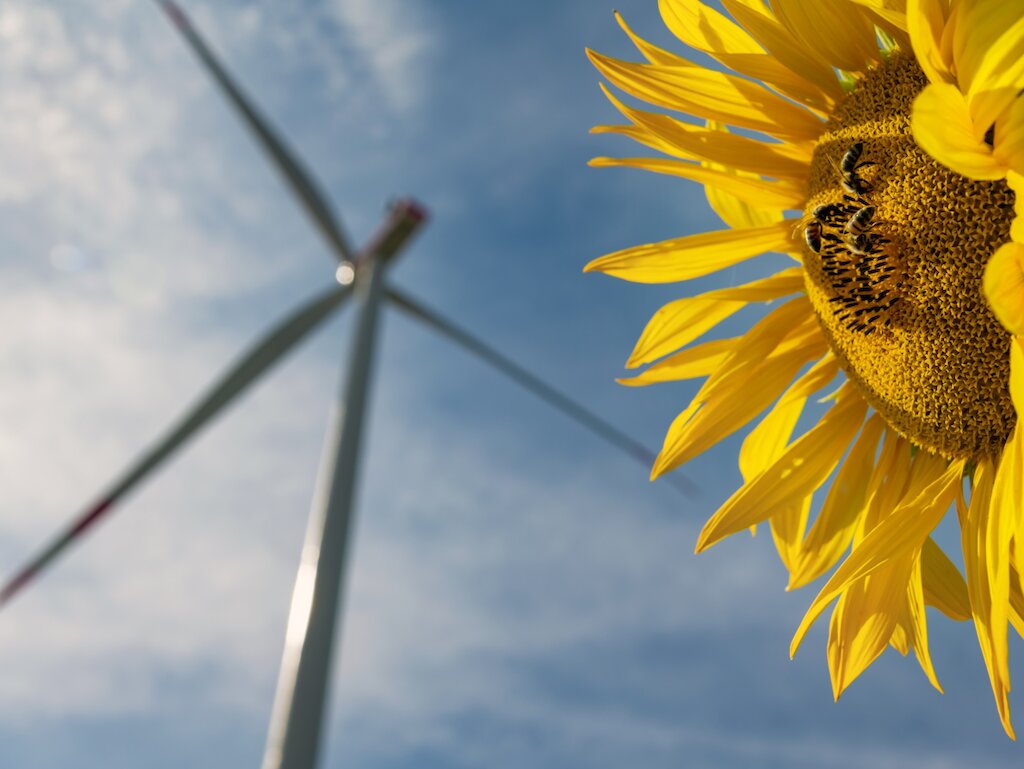
Nature-based co-use strategies focus on enhancing biodiversity and ecosystem services. This can include creating habitats for pollinators around solar arrays or restoring wetlands within wind farms. These practices not only support local wildlife but also improve the ecological health of the area. For example, integrating pollinator habitats can lead to increased crop yields in surrounding agricultural lands due to improved pollination services.
In addition to pollinator habitats, renewable energy projects can incorporate other nature-based solutions. For instance, wind farms can be designed to include wildlife corridors, allowing animals to move freely across the landscape. Solar farms can integrate green roofs or walls, providing additional habitats for birds and insects. These measures contribute to the overall resilience of ecosystems and help mitigate the impacts of climate change.
Urban and rural infrastructure development
Co-use opportunities also extend to urban and rural infrastructure development. Solar panels can be installed on rooftops, parking lots and other urban spaces, providing clean energy while utilising otherwise underused areas. In rural settings, renewable energy projects can support local communities by providing reliable energy sources and promoting sustainable development.
Urban co-use projects can also contribute to climate resilience. For example, solar panels on rooftops can reduce the urban heat island effect by providing shade and reducing the need for air conditioning. In rural areas, renewable energy projects can be integrated with community development initiatives, such as building schools or healthcare facilities powered by clean energy. This holistic approach ensures that the benefits of renewable energy are distributed equitably.
Benefits of co-use
The benefits of co-use are manifold. Environmentally, it promotes biodiversity, improves soil health, and reduces the carbon footprint of energy production. Socially, it supports local communities by creating jobs, enhancing food security and fostering community engagement. Economically, it diversifies income streams for landowners and reduces land acquisition costs for energy developers.
Moreover, co-use projects can enhance the resilience of energy systems. By integrating multiple land uses, these projects can reduce the risk of disruptions caused by extreme weather events or other environmental changes. This resilience is crucial as the world faces increasing challenges from climate change.
Challenges and considerations
Despite its benefits, co-use projects come with challenges. These include higher initial investments, the need for innovative designs to ensure compatibility between different land uses and potential regulatory hurdles. Effective stakeholder engagement and careful planning are crucial to address these challenges and ensure the success of co-use projects.
For instance, agrivoltaic systems require careful planning to balance the needs of crops and solar panels. This may involve selecting specific crop varieties, adjusting planting densities or modifying irrigation practices. Similarly, nature-based co-use projects must consider the needs of local wildlife and ecosystems, which may require ongoing monitoring and adaptive management.
Co-use opportunities in renewable energy projects represent a promising approach to sustainable development. By integrating multiple land uses, these projects can maximise their social, environmental and economic benefits. As the world continues to transition to renewable energy, exploring and implementing co-use strategies will be key to achieving a sustainable and resilient future.
Want to learn more? Download the co-use compendium here.