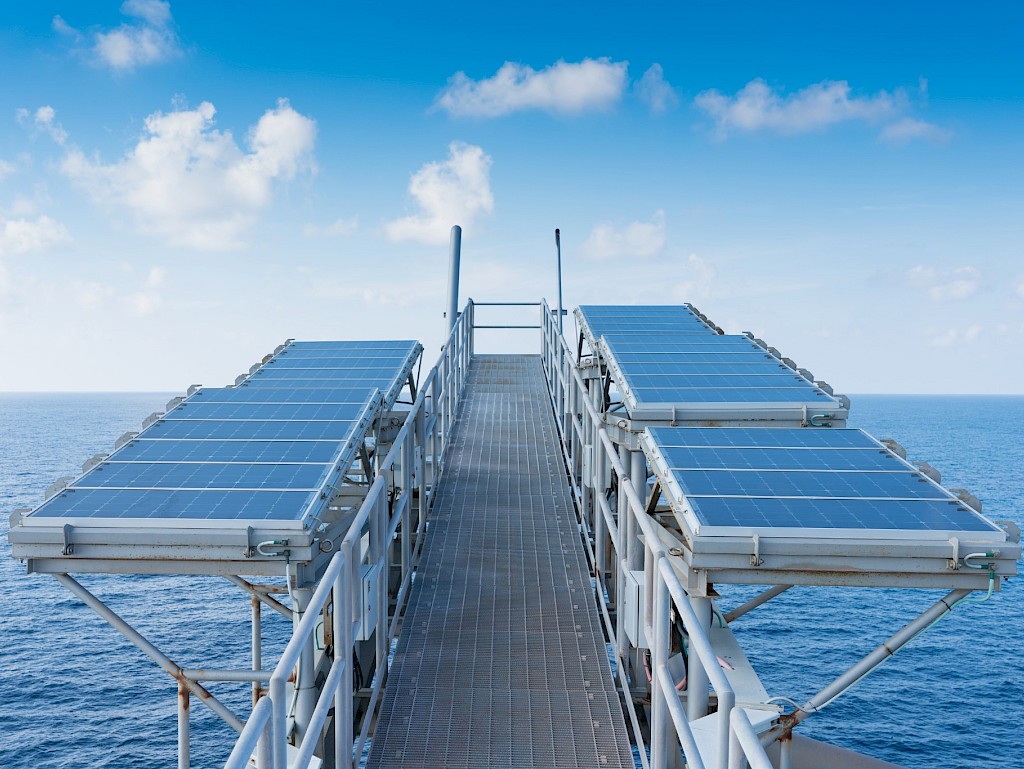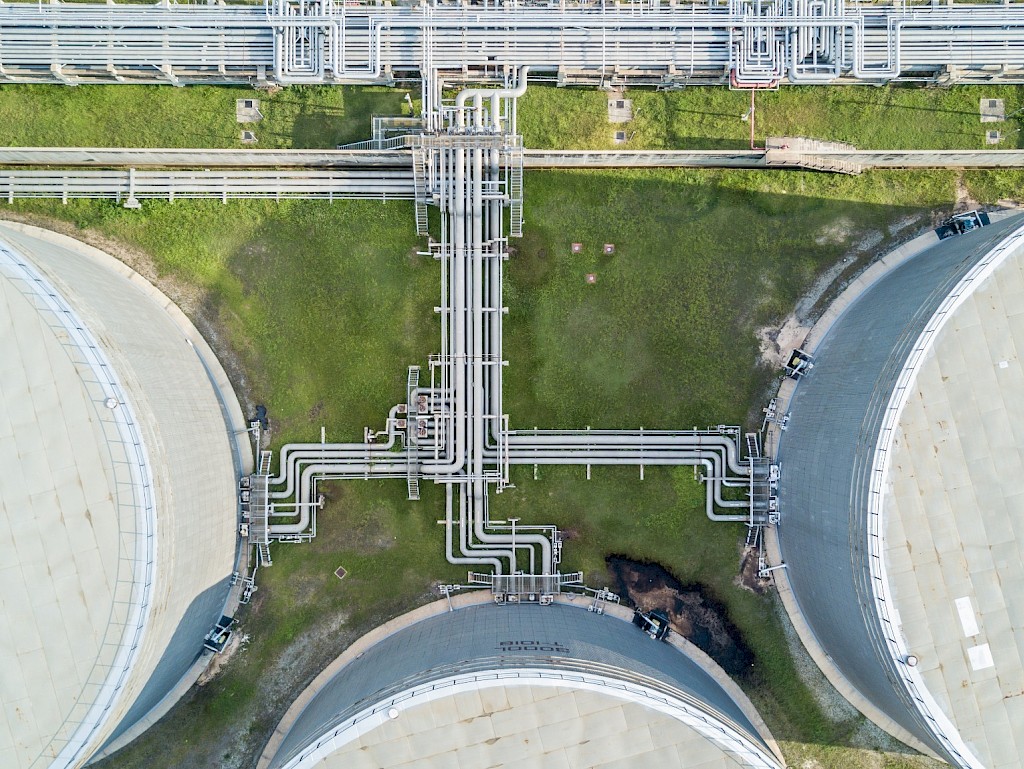

This report is a summary of a virtual workshop that Ipieca hosted on Voluntary and regulatory adaptation disclosure requirements and developing good practices. This was the second virtual workshop in a series on climate change adaptation and resilience.

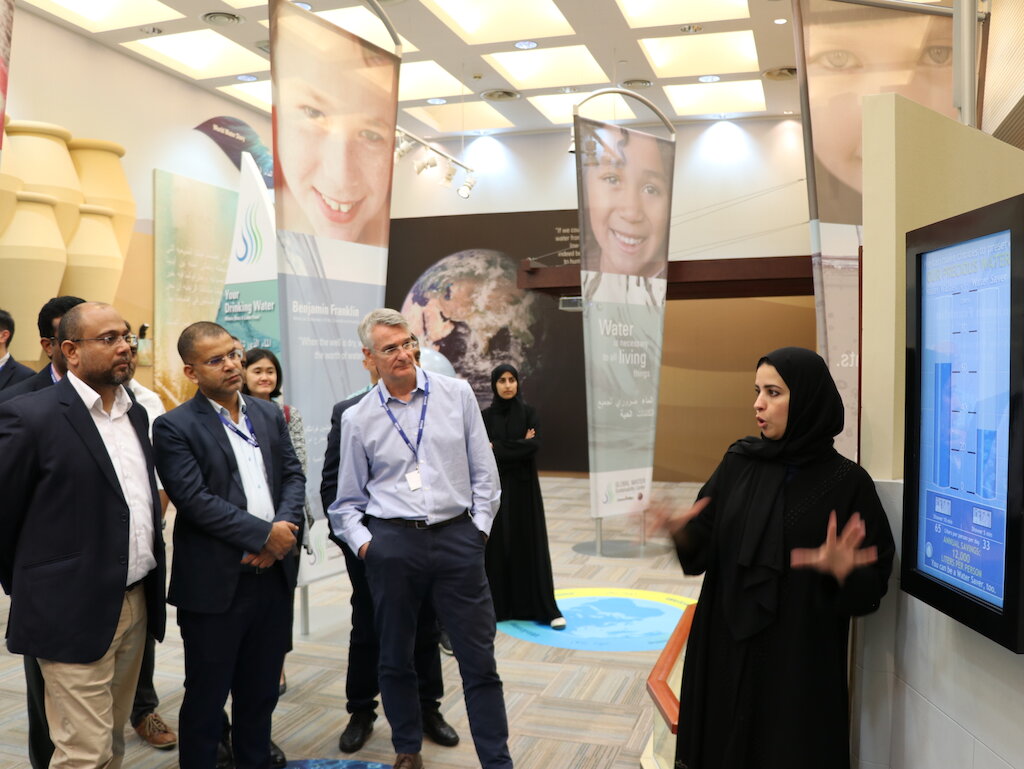
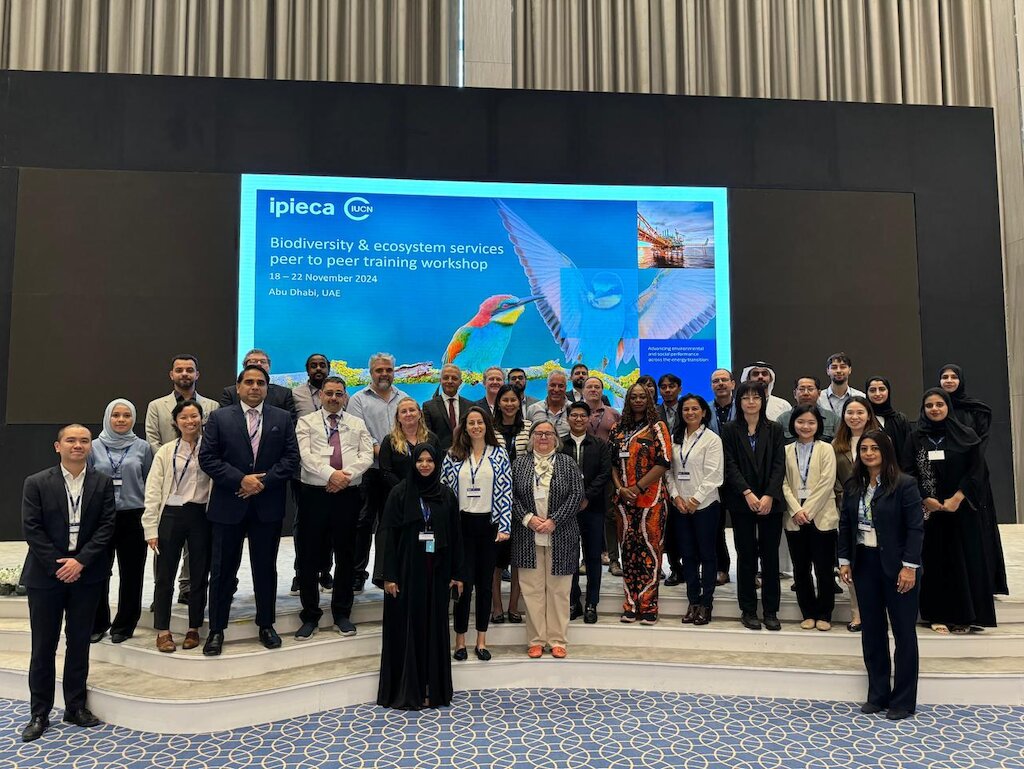
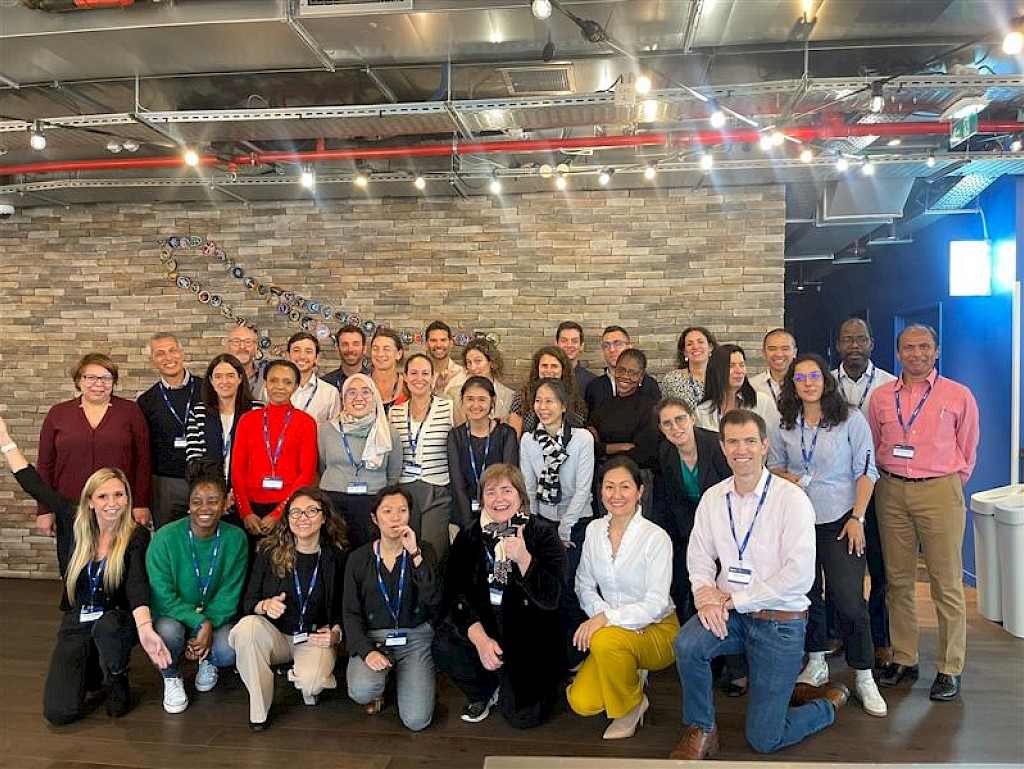
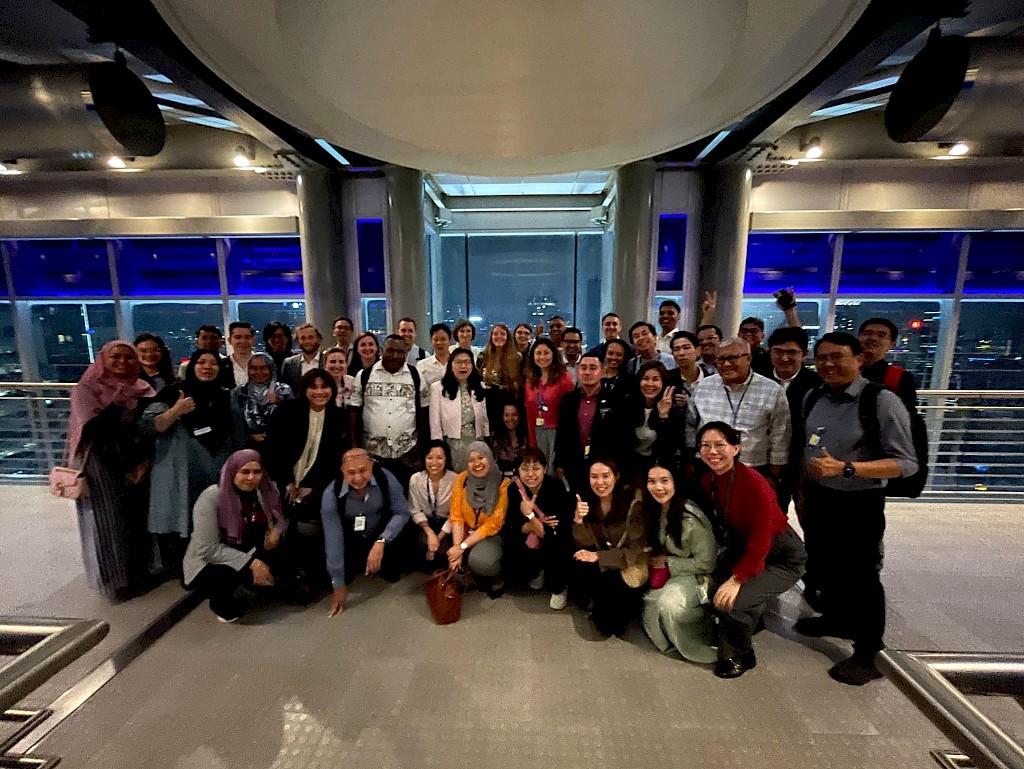
The three-day workshop, run by Ipieca, facilitated by UNEP-WCMC, and hosted by PETRONAS in Kuala Lumpur was followed by a field trip to a peat reserve to see biodiversity management and restoration practices in real life.


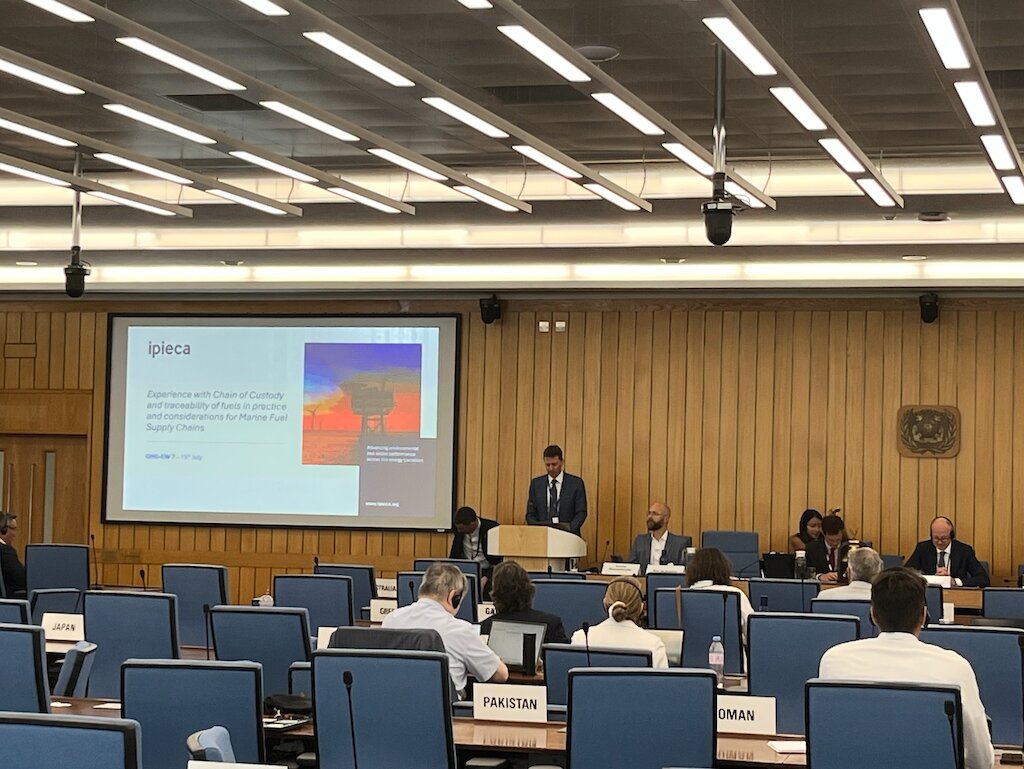
The IMO's seventh GHG expert workshop brought together representatives, including governments, industry, certification bodies, standards organisations and academia to explore chain of custody models for fuel supply chain traceability.

Ipieca and OCIMF have signed a memorandum of understanding to strengthen collaboration in support of sustainable maritime transport and the production and use of fuels. The agreement was signed in London by Brian Sullivan, CEO of Ipieca, and Don Davis, Managing Director of OCIMF.

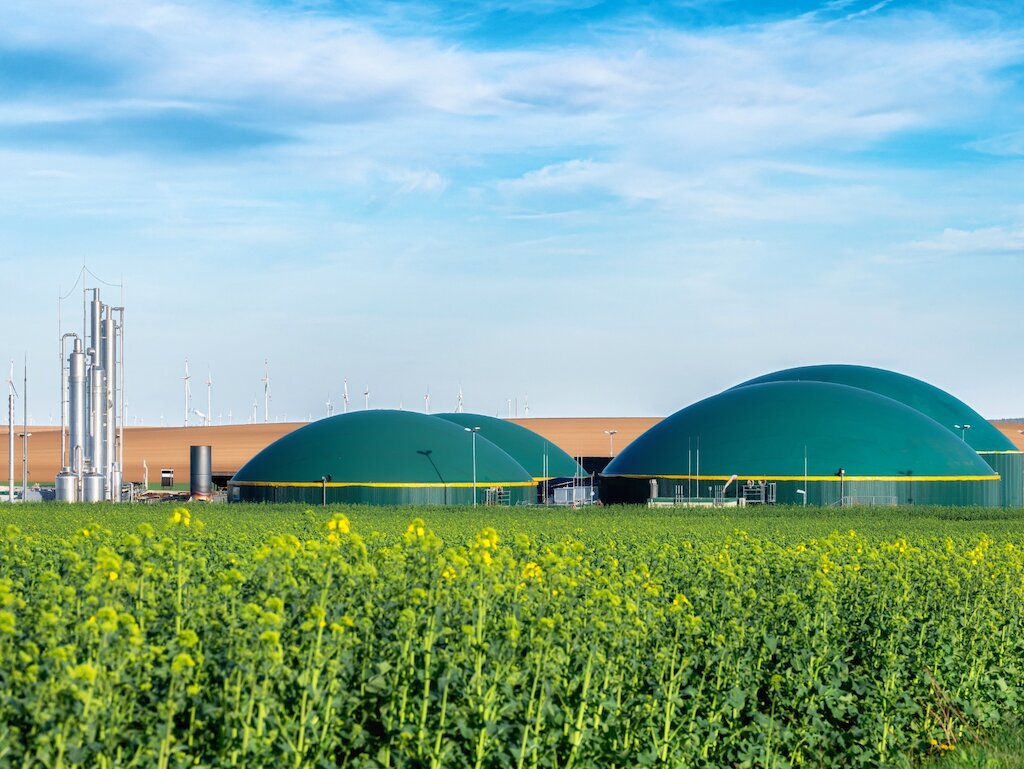

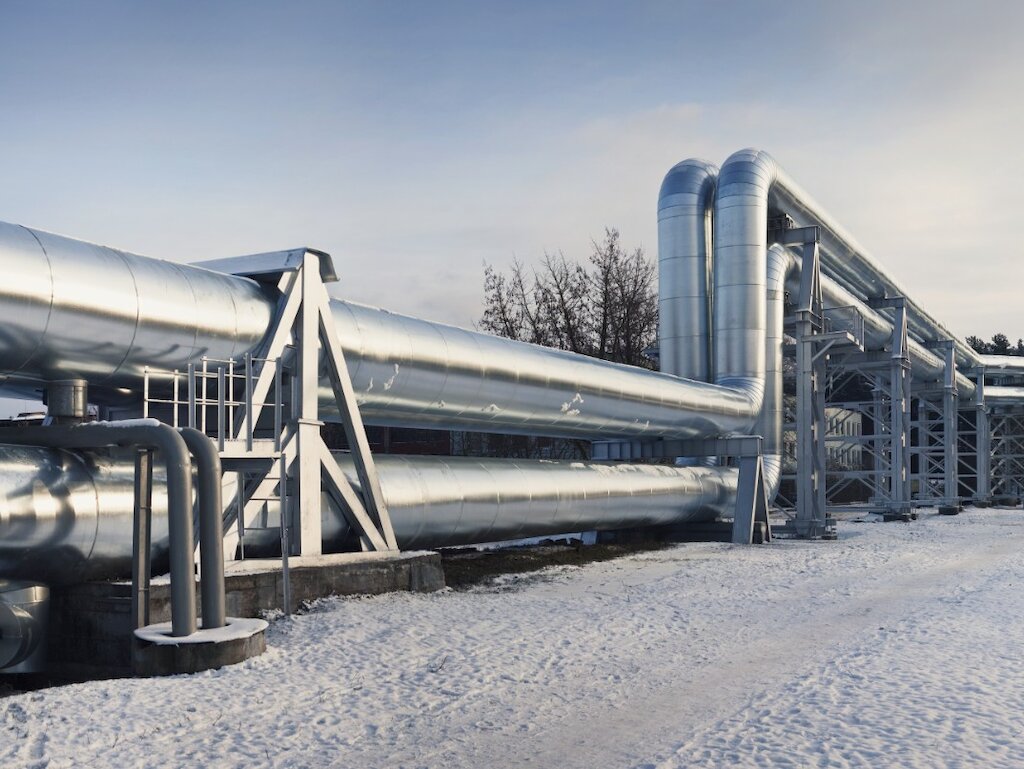

The fact sheet highlights the role of carbon capture and storage (CCS) in the energy transition, how the oil and gas industry can support uptake of CCS technologies, case studies from Ipieca members, and looks ahead to how Ipieca will support future progress.
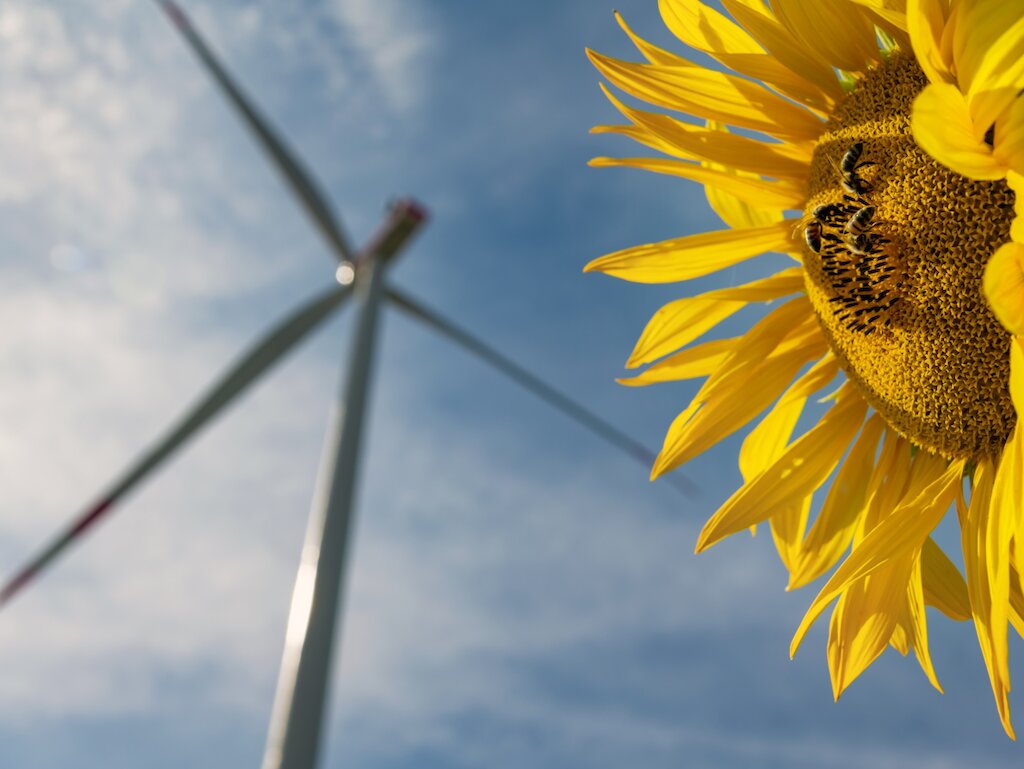
Ipieca, in collaboration with the International Union for Conservation of Nature (IUCN), is launching a new compendium to explore co-use opportunities in solar and wind energy projects to serve as a practical resource for energy sector professionals.

This report evaluates existing circular economy measurement frameworks and identifies how a combination of frameworks enables better measurement of circular economy by O&G companies.

Ipieca, in collaboration with IOGP, has completed the update of the 'Compendium of energy and GHG efficient technologies and practices'. It acts as a centralised resource on technologies and good practices to improve energy performance and reduce GHG emissions across midstream and downstream oil and gas operations.
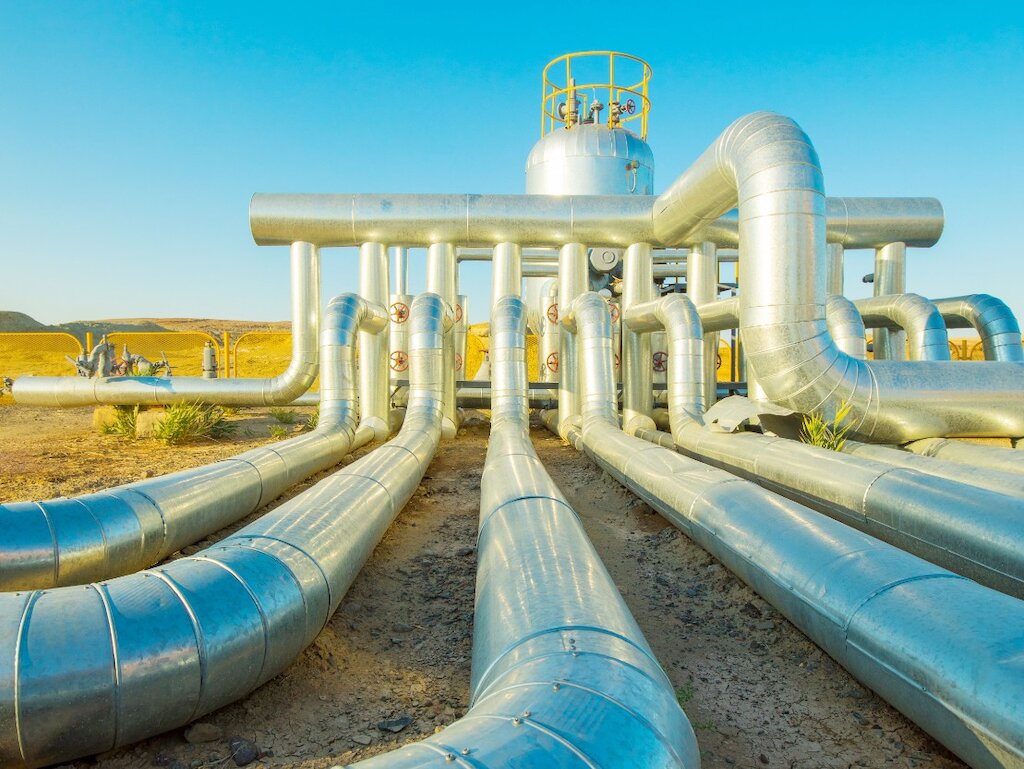

Responding to the continuous advancement of technology, this update expands the number of technologies included in the joint Ipieca-IOGP-OGCI- Energy Institute guidance and online technology filtering tool.


The new awareness briefing builds a shared understanding of carbon-compensated products, their role in supporting net-zero ambitions and the energy transition, and explores good practice in using them.