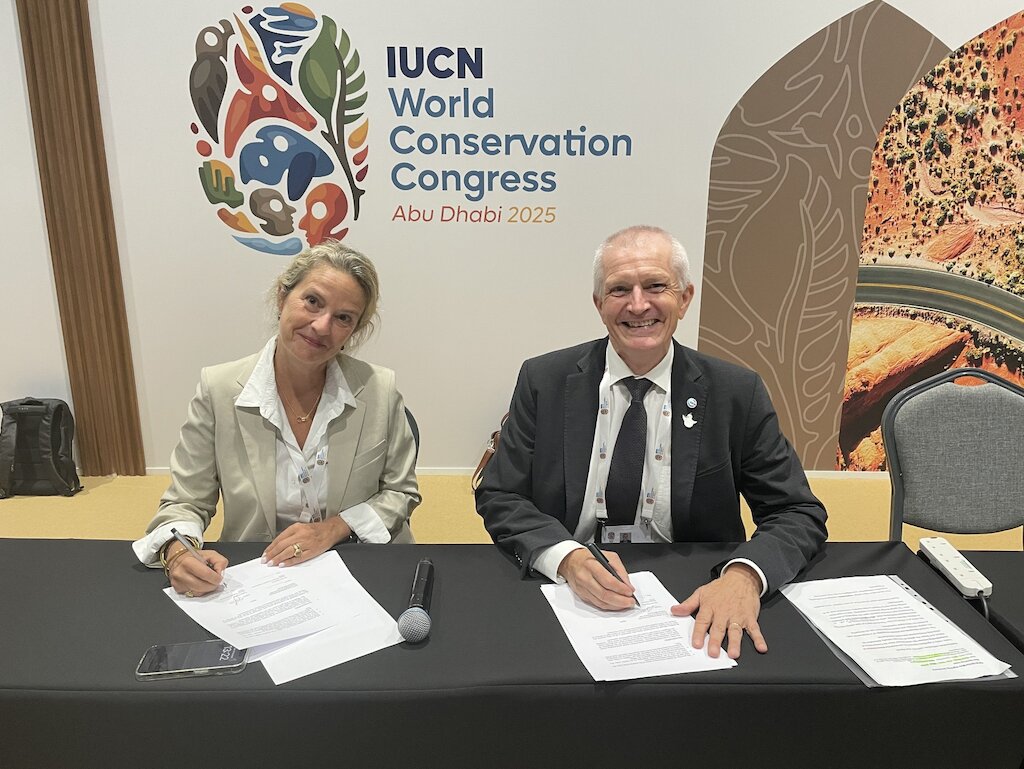
At the IUCN World Conservation Congress 2025 in Abu Dhabi, Ipieca and IUCN renewed their partnership through the signing of a new memorandum of understanding (MoU) that will guide collaboration between the two organisations through 2030.

An article published by Global Environmental Change on 19 October 2021 characterised Ipieca as working in the late 1980s to emphasise climate science uncertainties. This is a characterisation that Ipieca does not recognise.



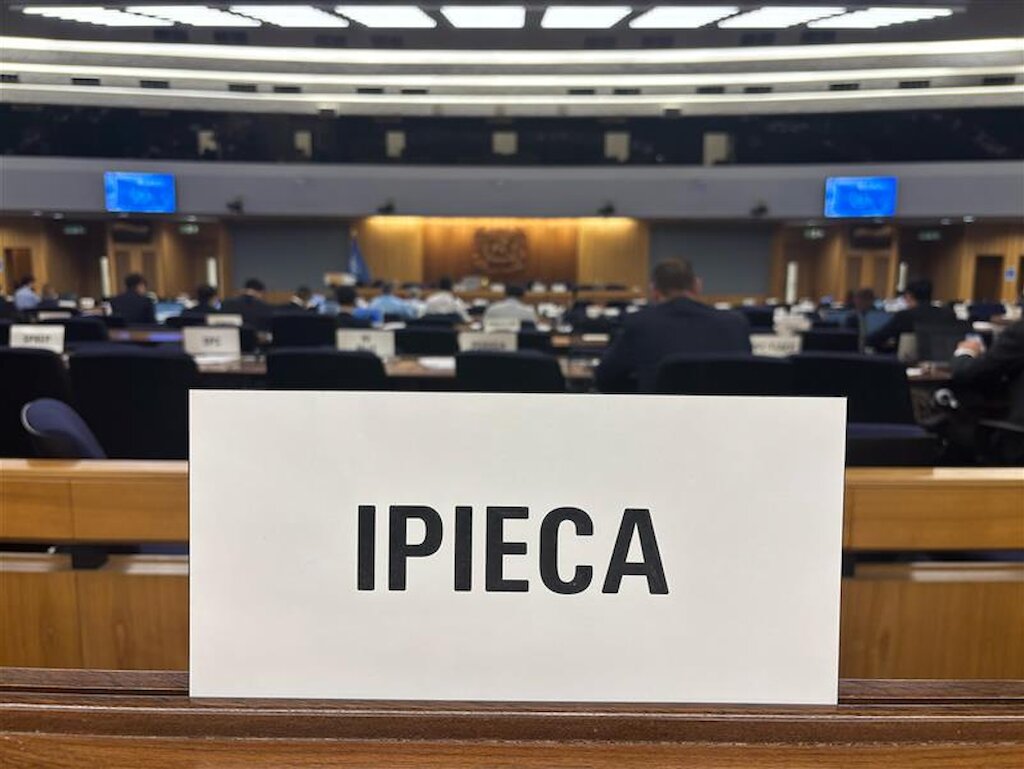
The IMO Marine Environment Protection Committee (MEPC) met for its 83rd session in person at IMO Headquarters in London where it approved the IMO Net-zero Framework, the first in the world to combine mandatory emissions limits and GHG pricing across an entire industry sector.
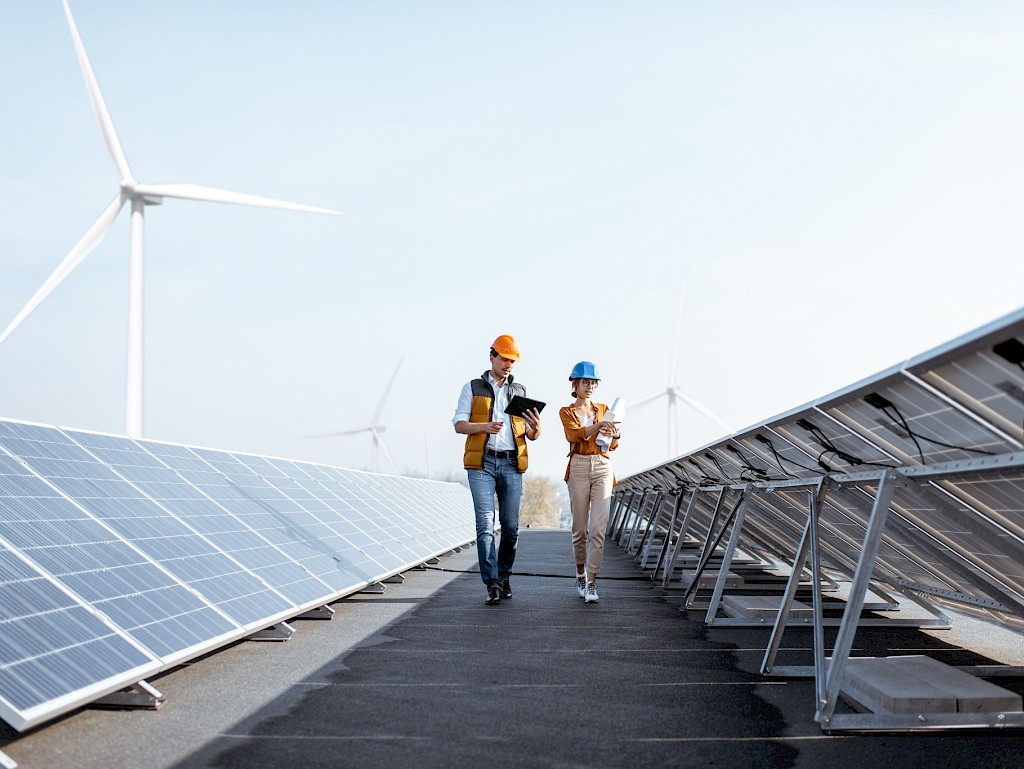
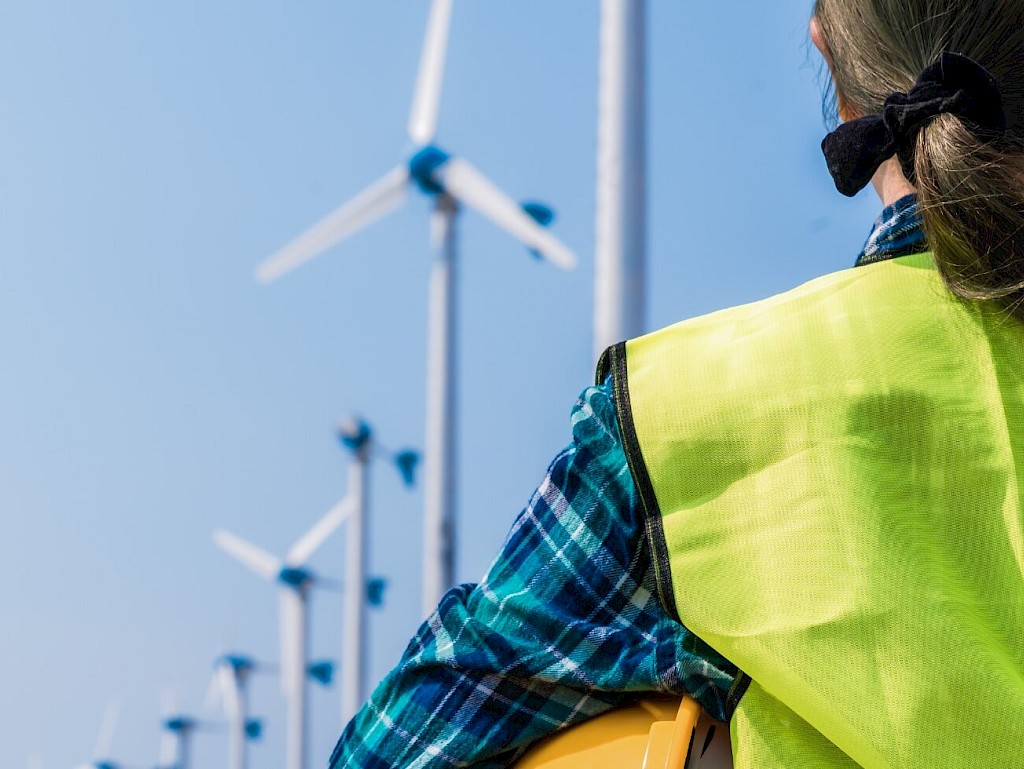
The document provides a review of good practices for environmental and social risks across the supply chain and carbon footprint management across the project life cycle of onshore and offshore wind and solar PV technologies.
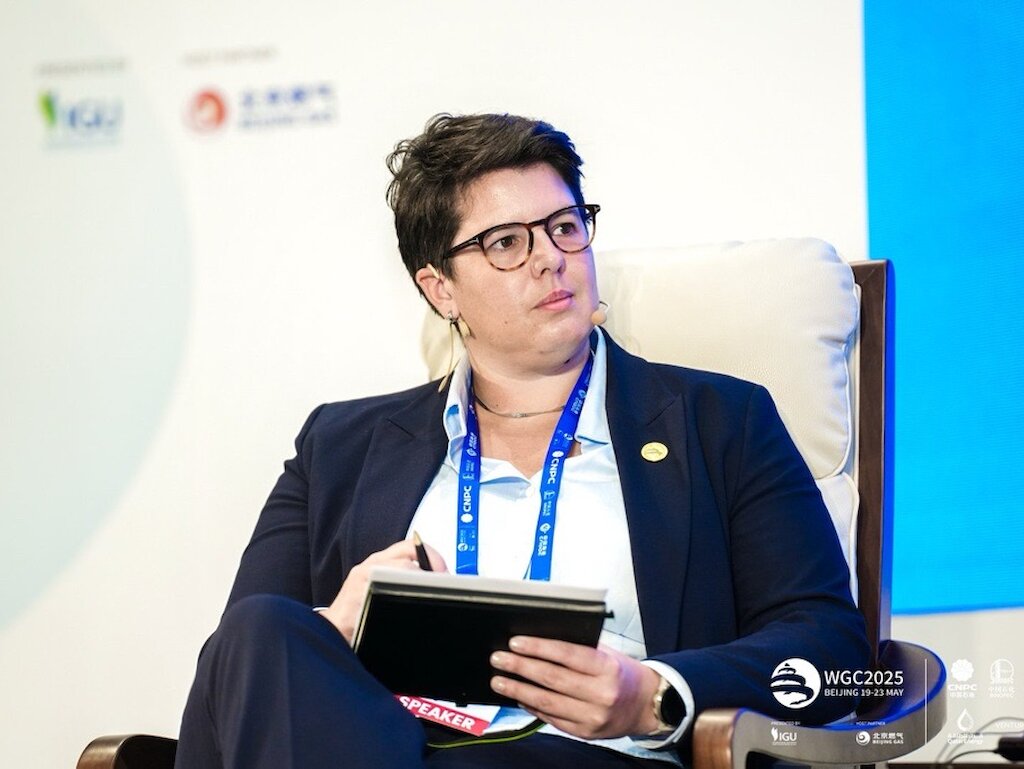
As my secondment with Ipieca comes to an end after more than six incredible years, I’ve been reflecting on the milestones, challenges, achievements but especially people that shaped this journey. Numbers often tell the story better than words, so I’d like to share some of the figures that defined my time.
Collaboration was central to our activities this quarter, including publishing a joint IUCN-Ipieca guidance on co-use opportunities in wind and solar, signing a Memorandum of Cooperation with the ASEAN Council on Petroleum and Energy, and co-hosting a series of webinars with other industry associations, which reached over 2,600 participants.

Ipieca’s strategy will lead the integration of climate, nature and people actions across the oil, gas and alternative energy industry value chain, driving the delivery of diverse pathways to net-zero, supporting the resilience and rehabilitation of local communities and ecosystems, and enabling the industry to adapt to the changing reporting landscape.