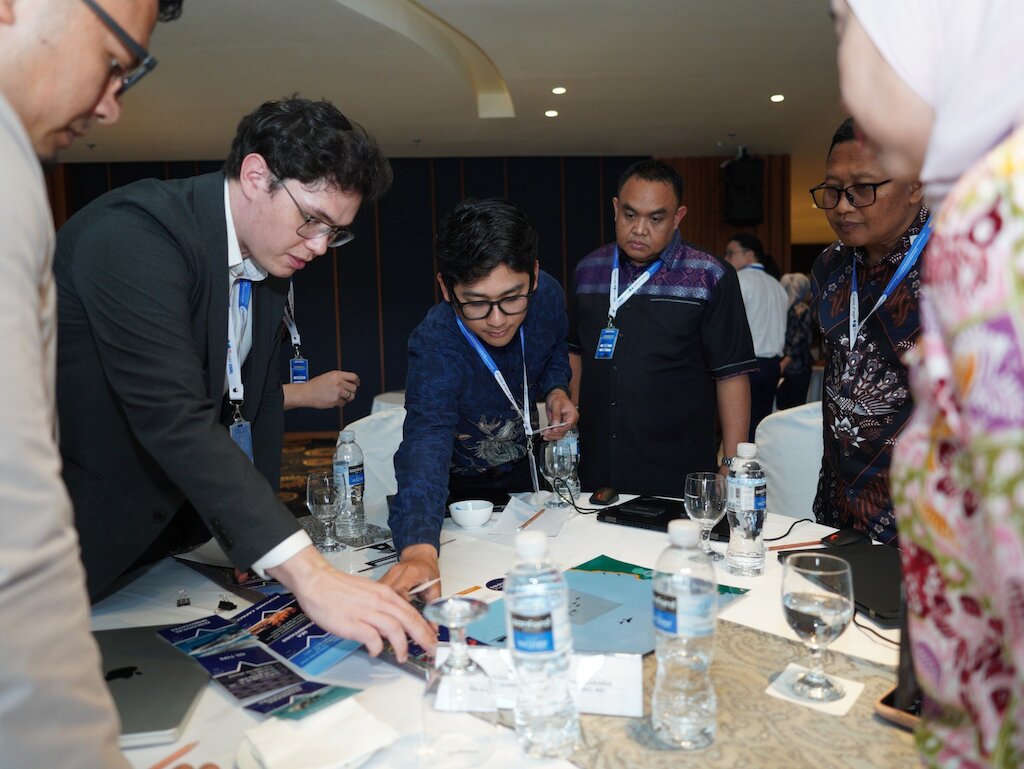
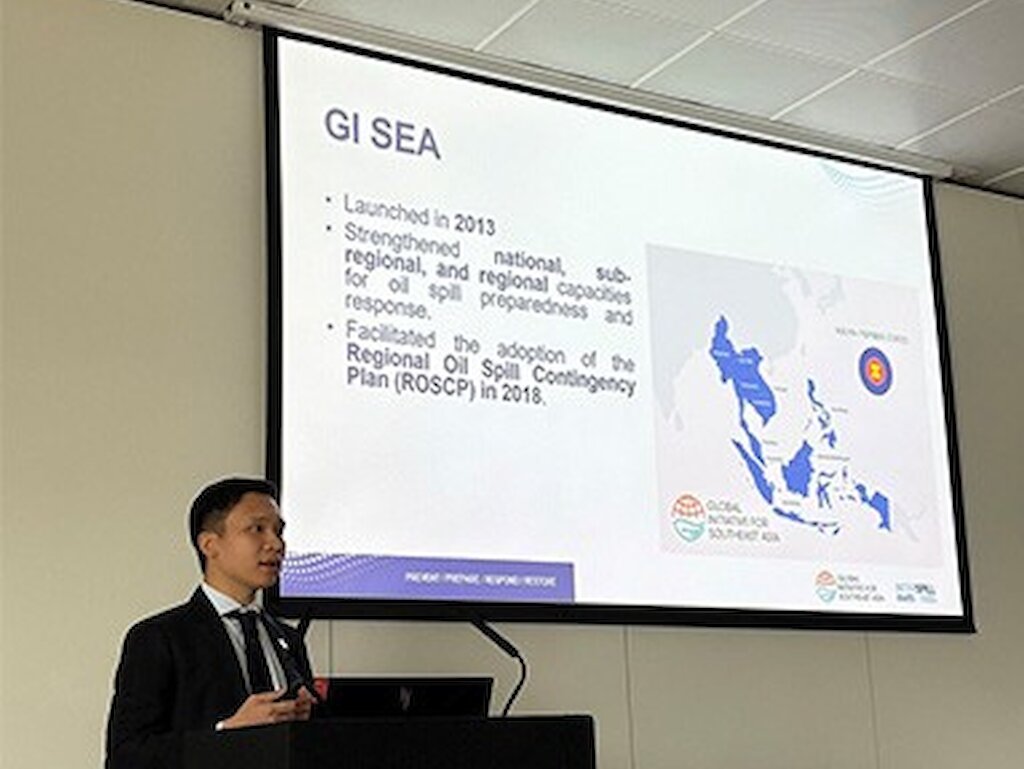
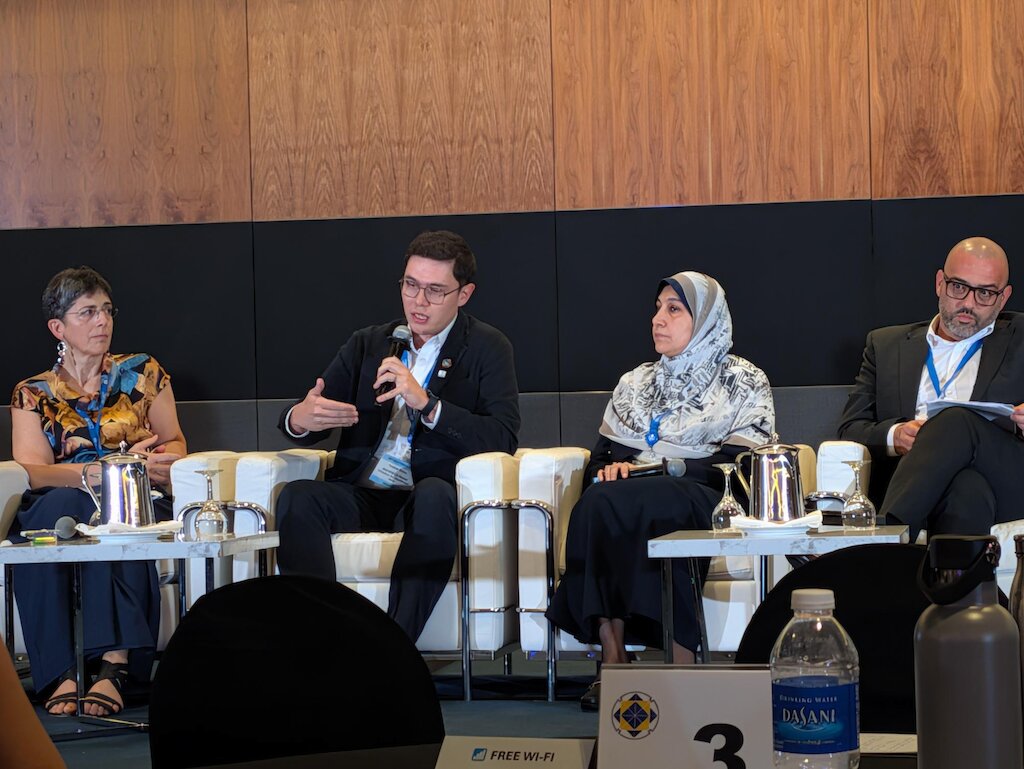
Held in Singapore from 21-22 September, ahead of SpillAsia 2026, the IMO Research and Development (R&D) Forum brought together regulators, researchers, industry representatives and emergency responders from around the world to examine emerging preparedness and response challenges associated with the maritime energy transition.
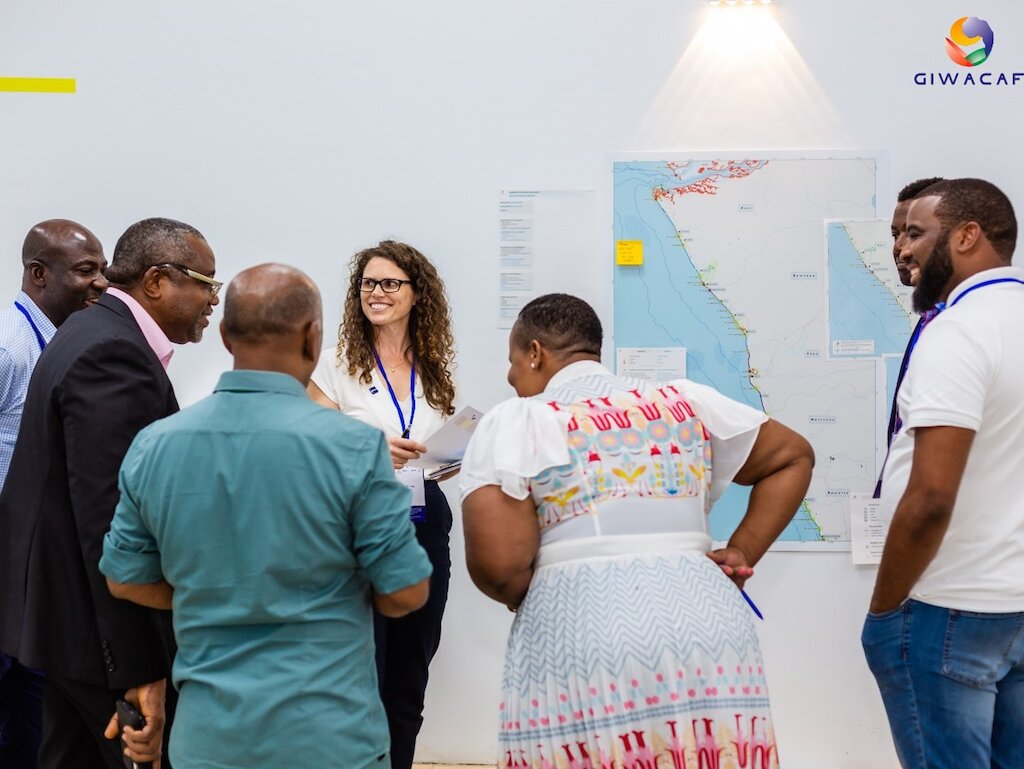
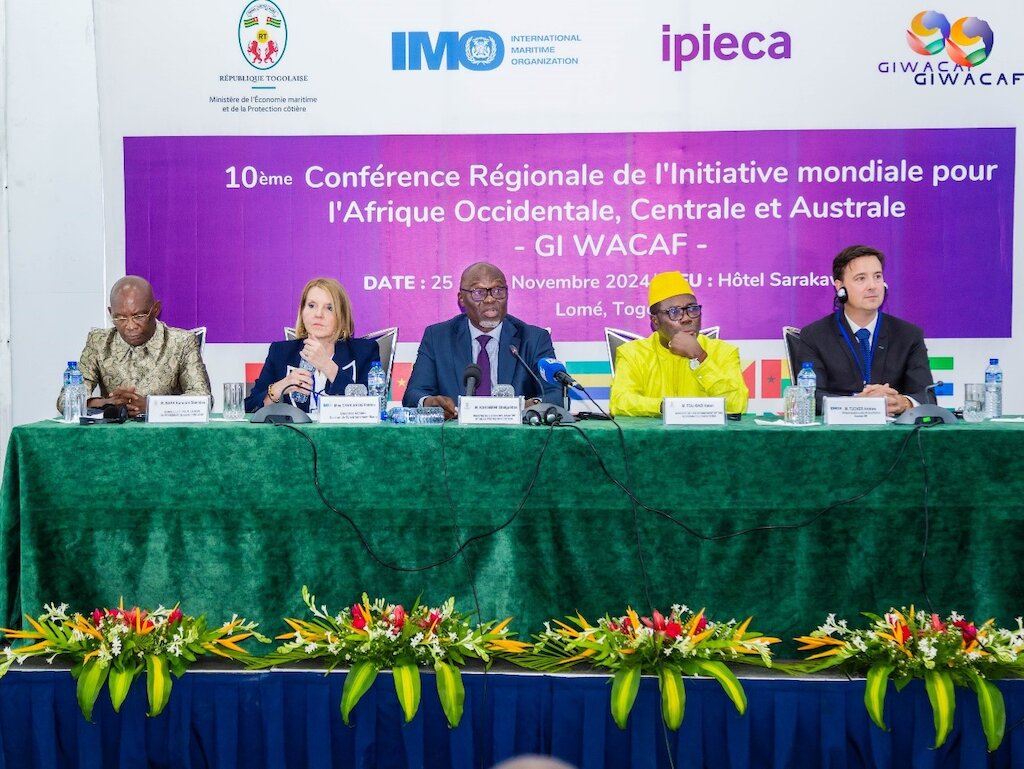
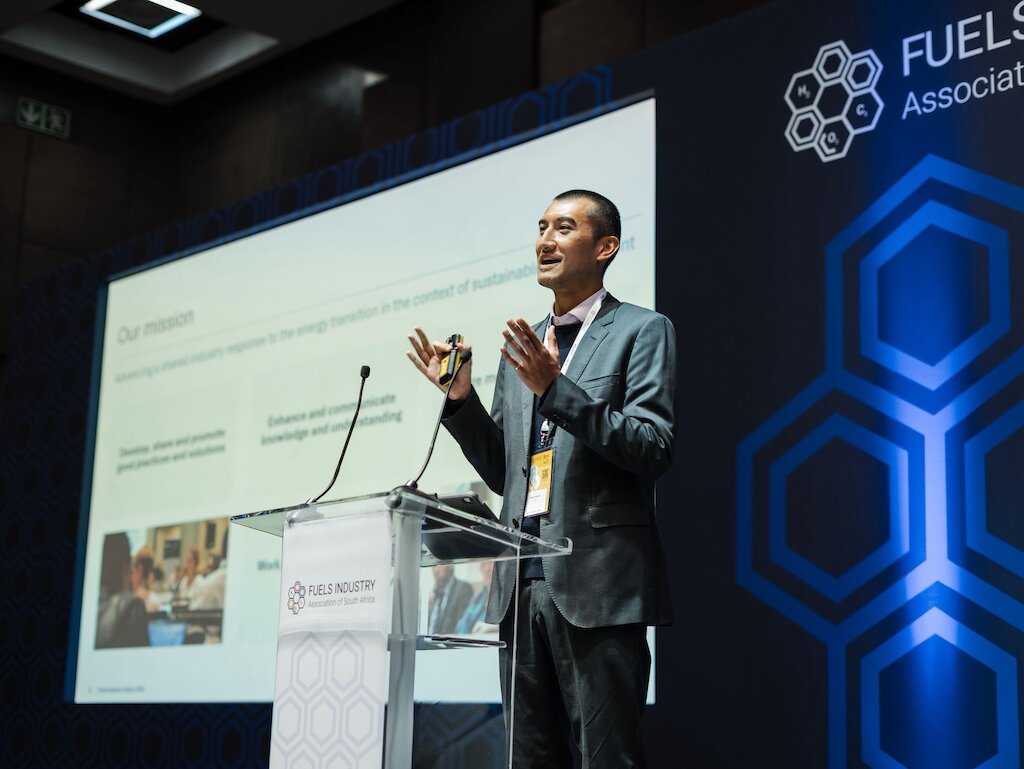
Taking place in Togo, the conference brought together 120 participants, including key government and industry representatives from 20 African countries to share good practice and provide technical support to enhance oil spill preparedness and response.
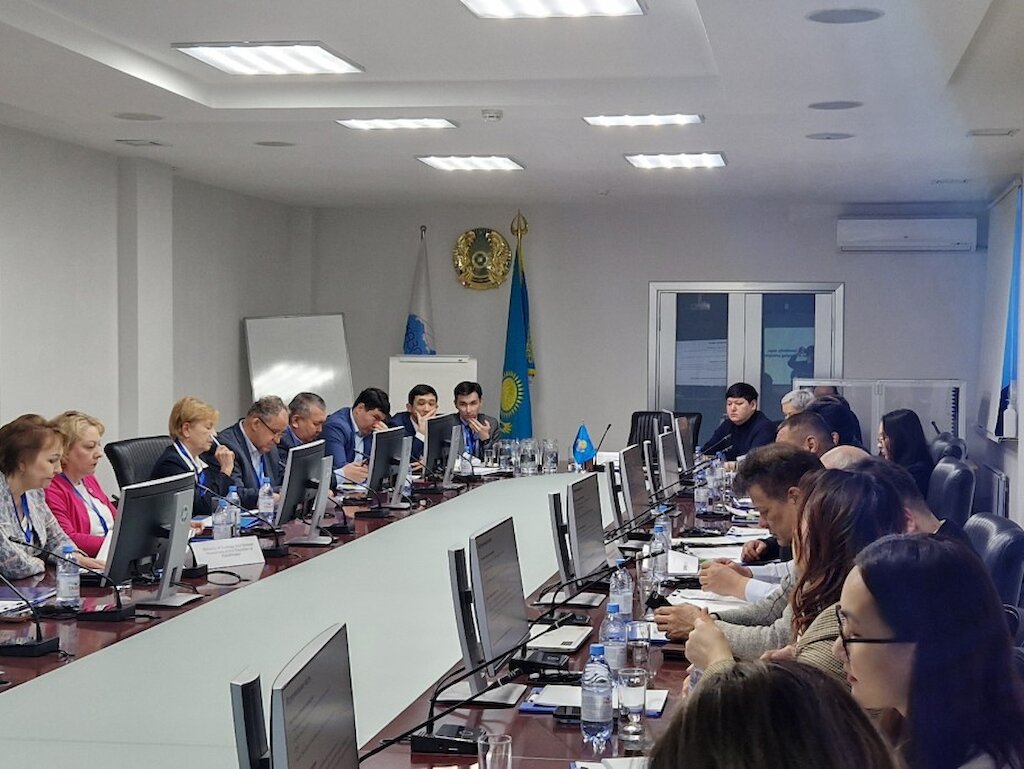
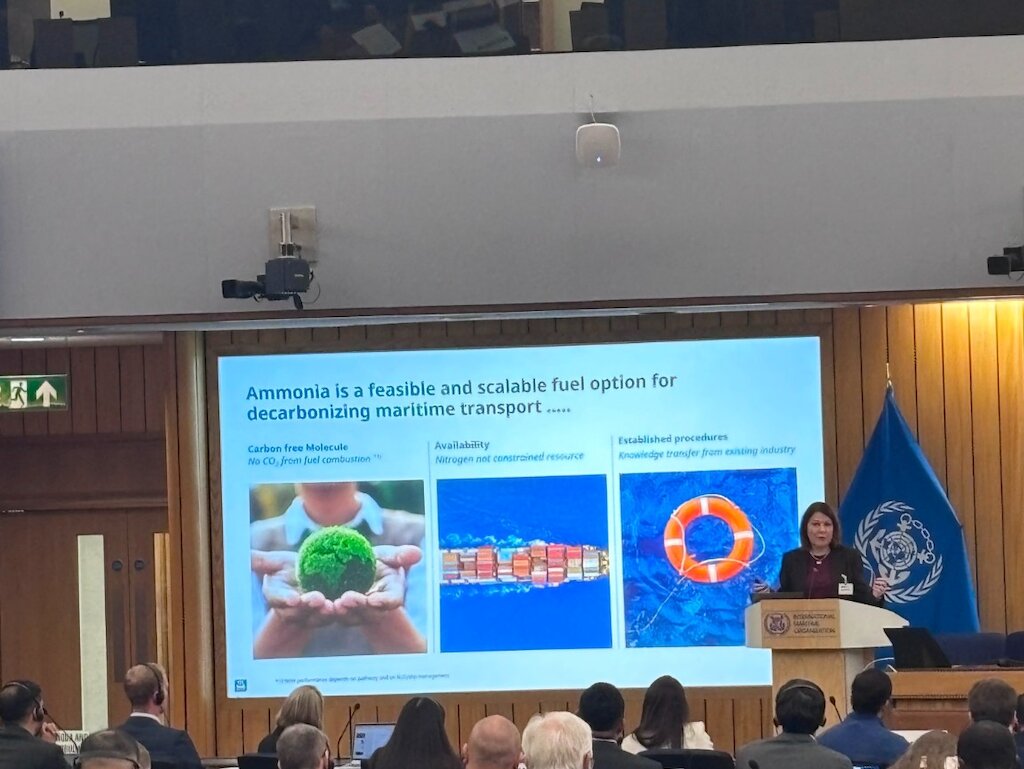
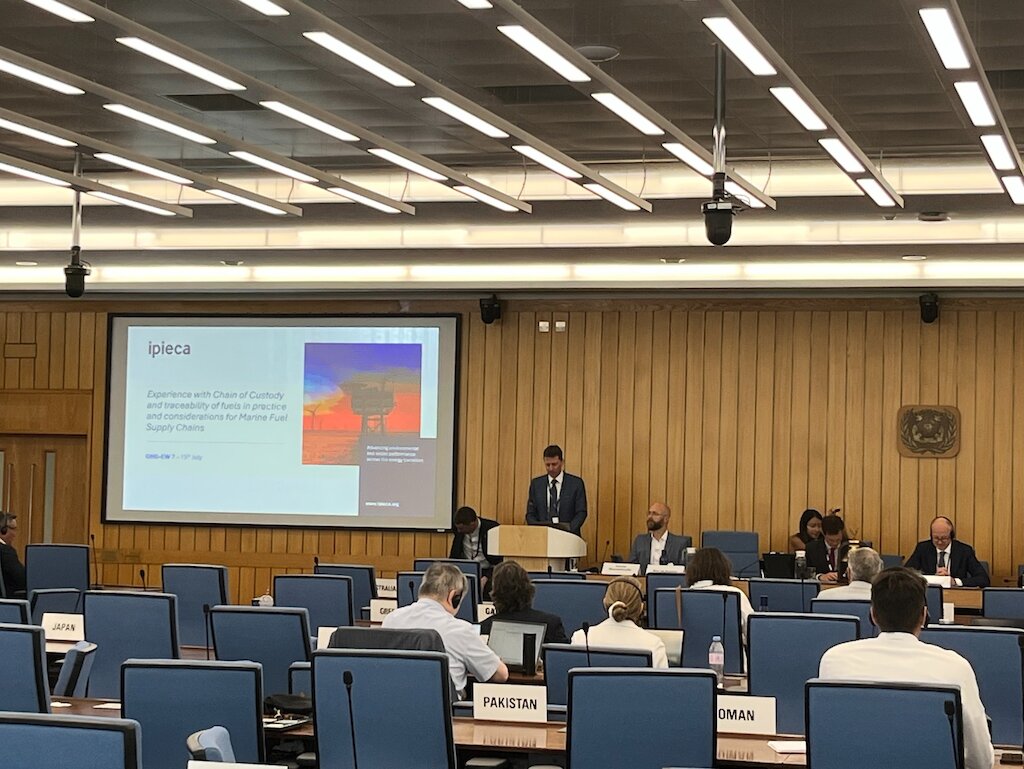
The IMO's seventh GHG expert workshop brought together representatives, including governments, industry, certification bodies, standards organisations and academia to explore chain of custody models for fuel supply chain traceability.
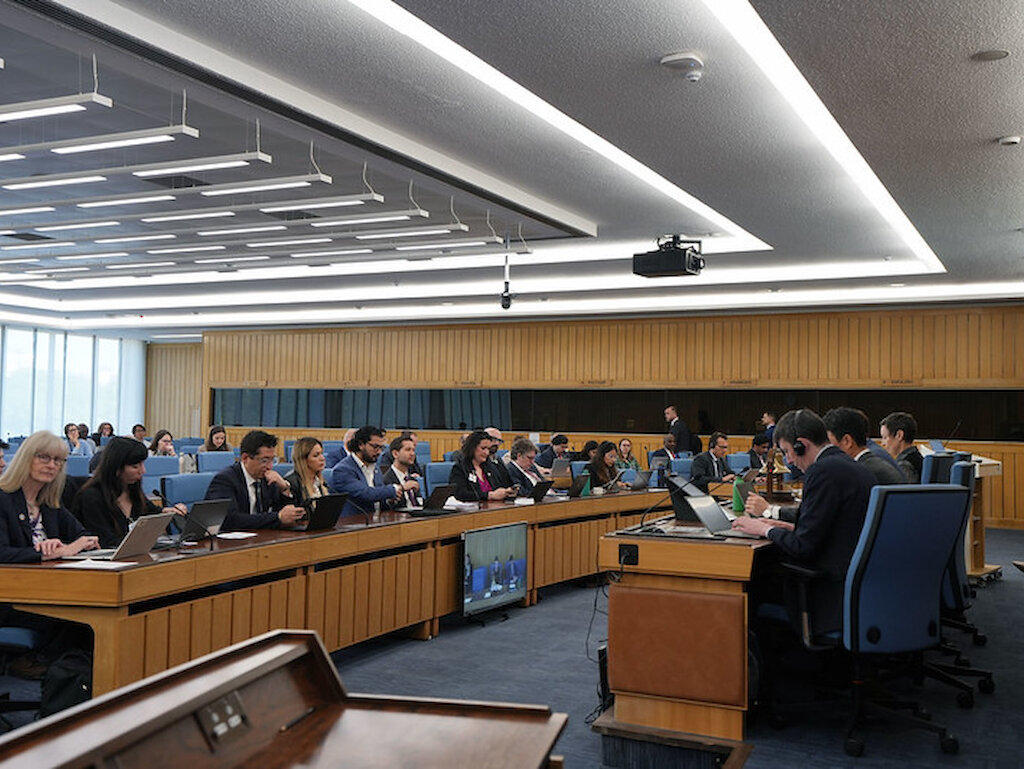
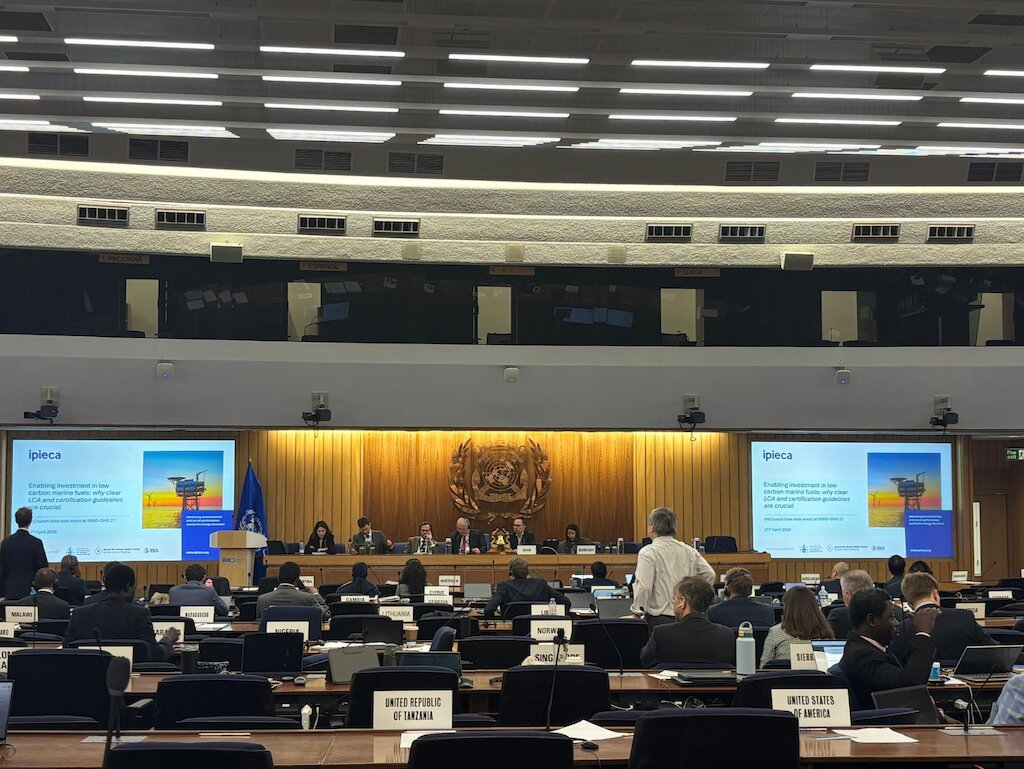

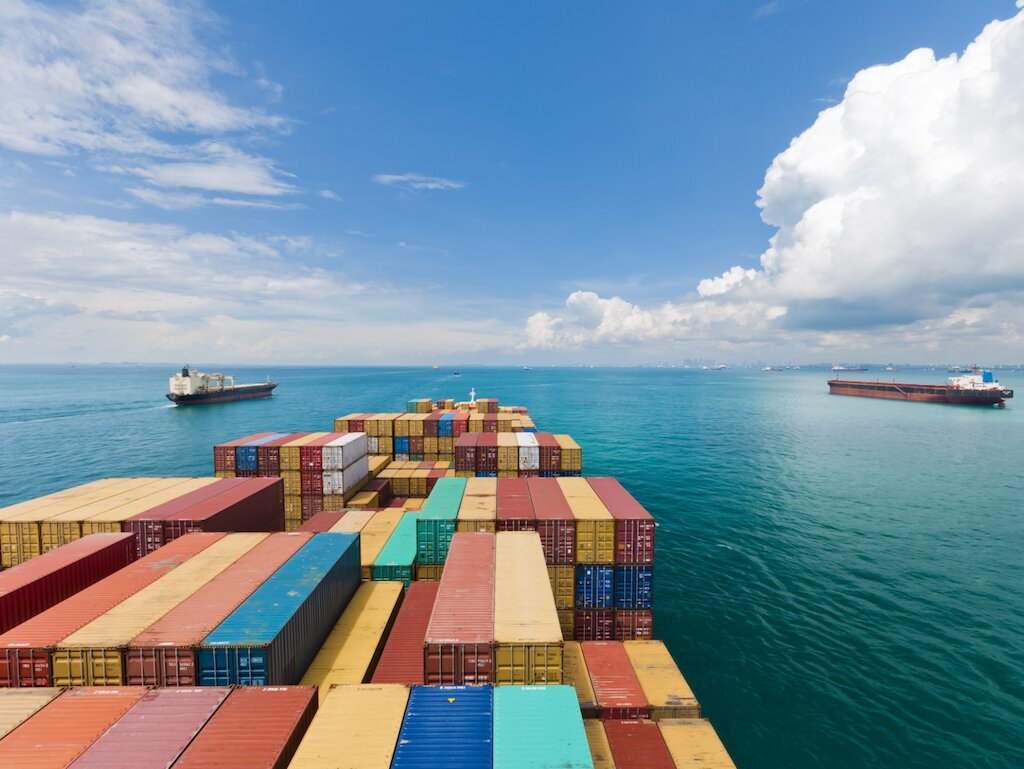
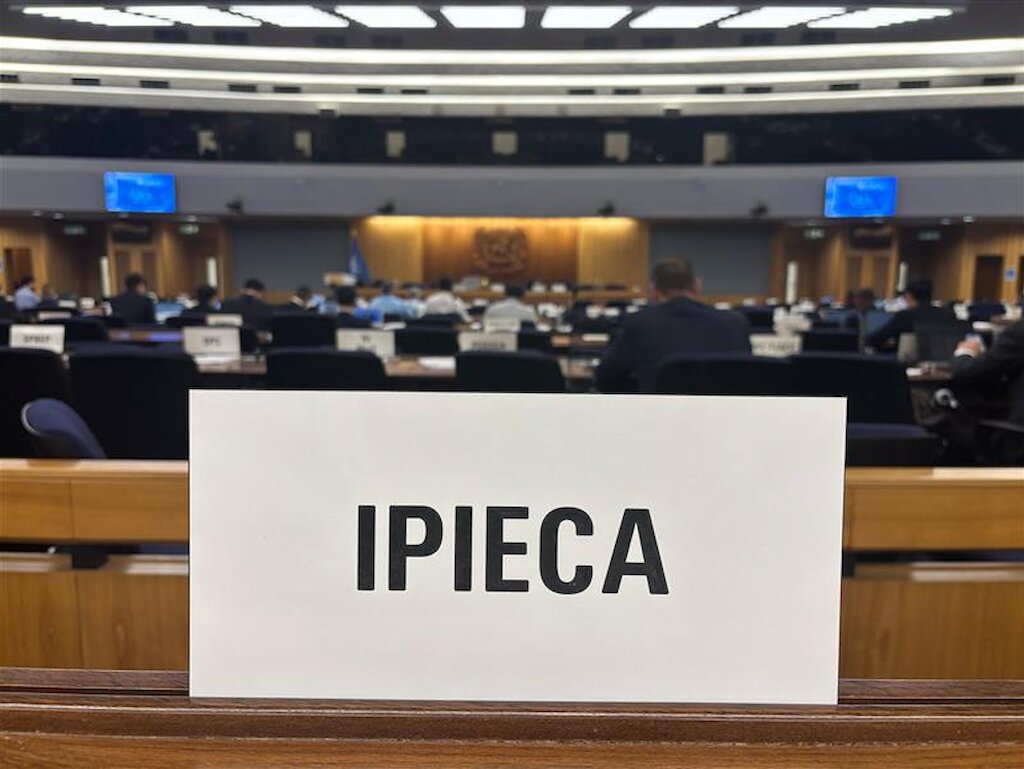
The IMO Marine Environment Protection Committee (MEPC) met for its 83rd session in person at IMO Headquarters in London where it approved the IMO Net-zero Framework, the first in the world to combine mandatory emissions limits and GHG pricing across an entire industry sector.
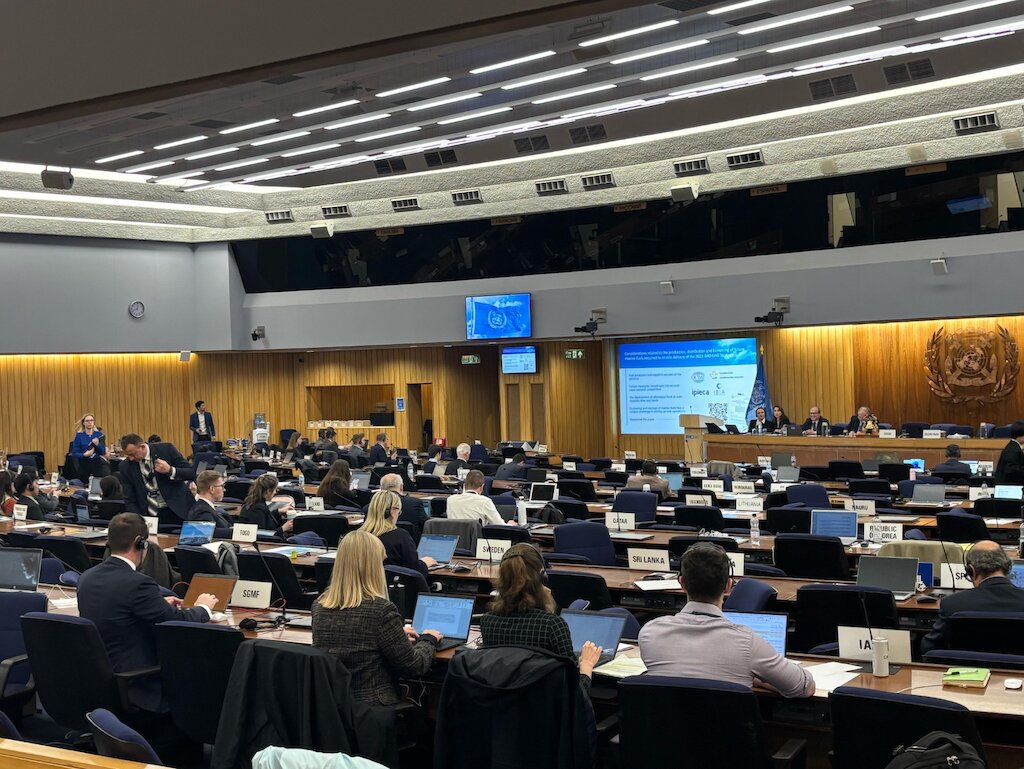
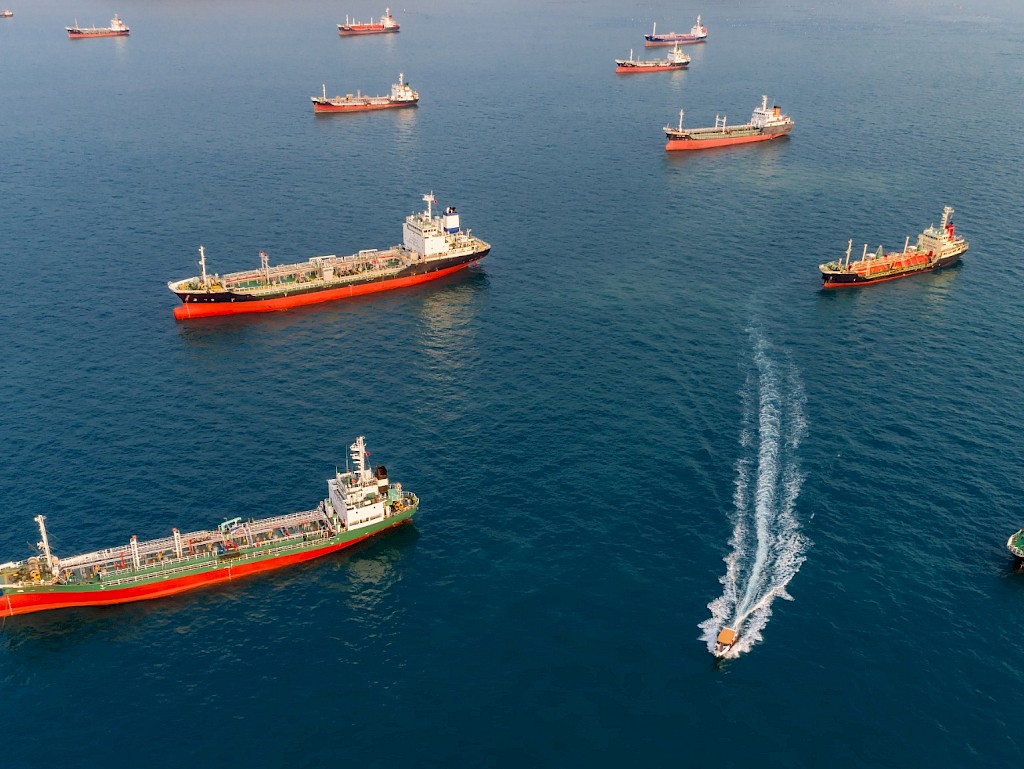
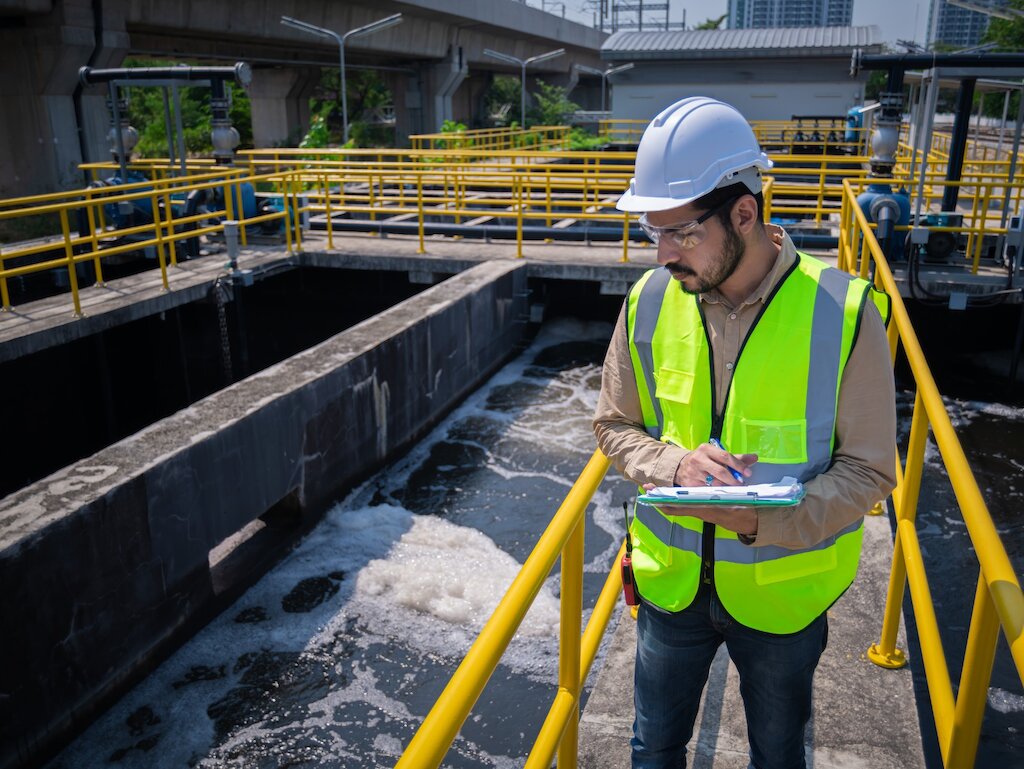
Ipieca has launched a series of five fact sheets exploring water use and stewardship across technologies and value chains relevant to the energy transition. The series covers natural gas, liquefied natural gas, hydrogen, carbon capture and storage, and cooling systems.

Ipieca and IUCN have launched the Principles for marine net positive impact, supporting energy companies and other stakeholders seeking to translate voluntary marine net positive impact ambition into credible, measurable and lasting gains for biodiversity and nature.

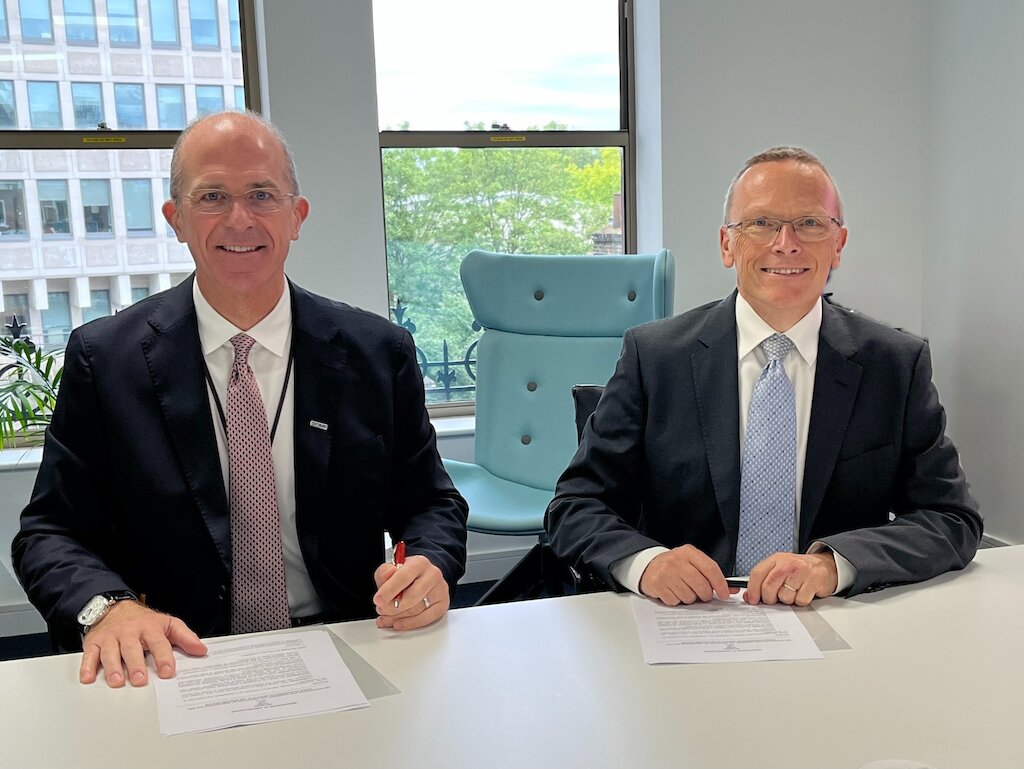
Ipieca and OCIMF have signed a memorandum of understanding to strengthen collaboration in support of sustainable maritime transport and the production and use of fuels. The agreement was signed in London by Brian Sullivan, CEO of Ipieca, and Don Davis, Managing Director of OCIMF.


During Ipieca Week 2026, Ipieca held two panel sessions on 'Energy transition in a fragmented world: the geopolitics and future of oil and gas' and 'Energy transition priorities for the Global South'. The key messages are captured in these reports.