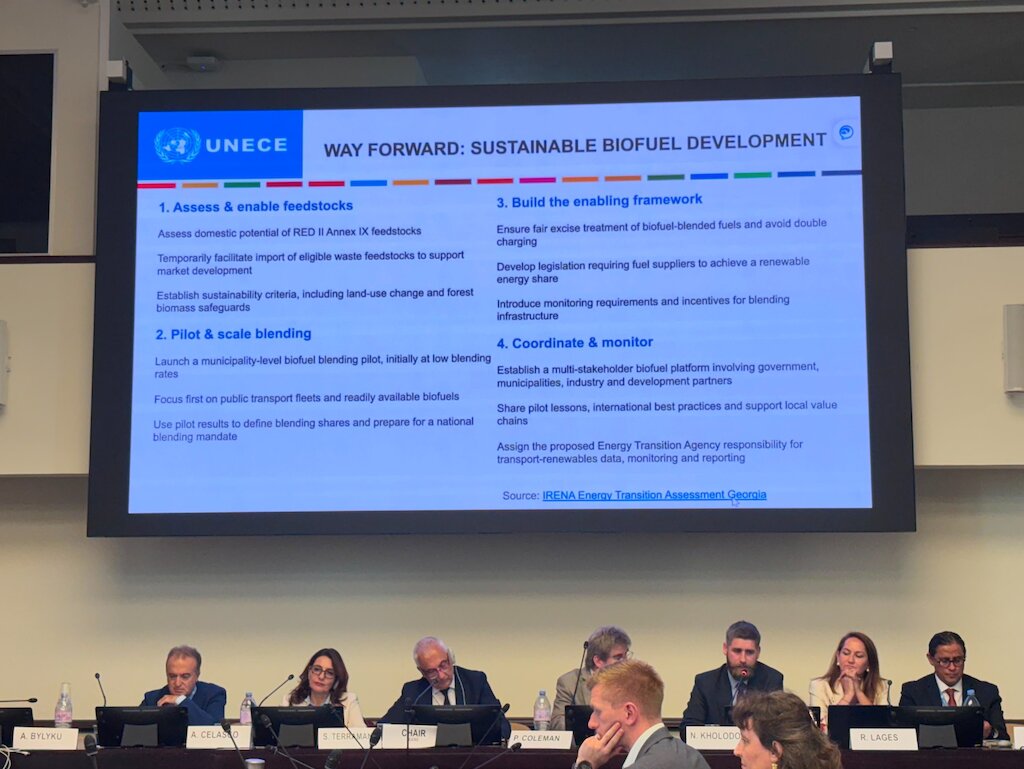
The week featured discussions on renewable energy, energy efficiency, cleaner electricity systems, resilient energy infrastructure, energy financing and the role of sustainable fuels in supporting the energy transition. Participants highlighted the importance of integrated approaches that strengthen energy security, affordability and sustainability while accelerating progress towards climate goals.
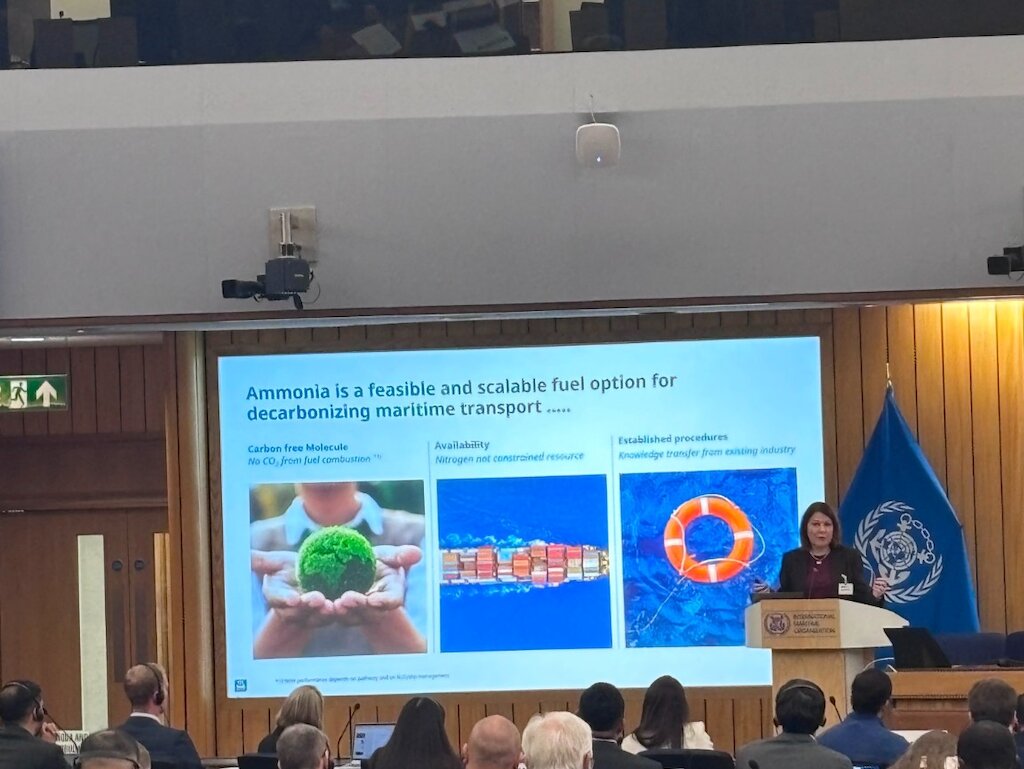
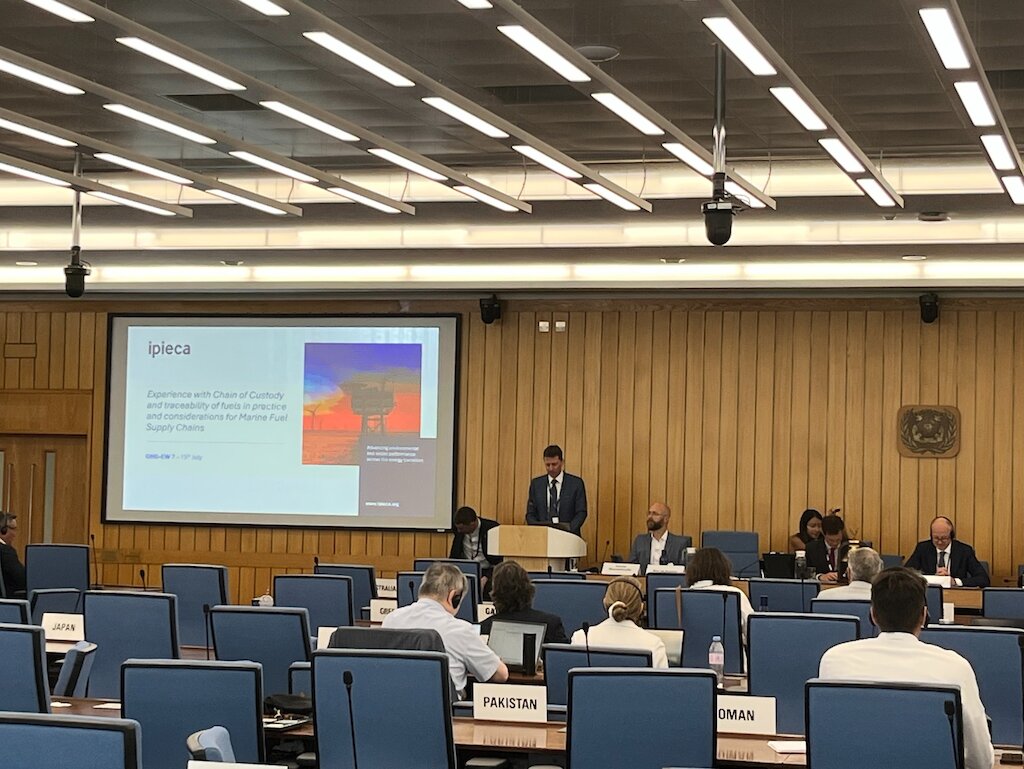
The IMO's seventh GHG expert workshop brought together representatives, including governments, industry, certification bodies, standards organisations and academia to explore chain of custody models for fuel supply chain traceability.
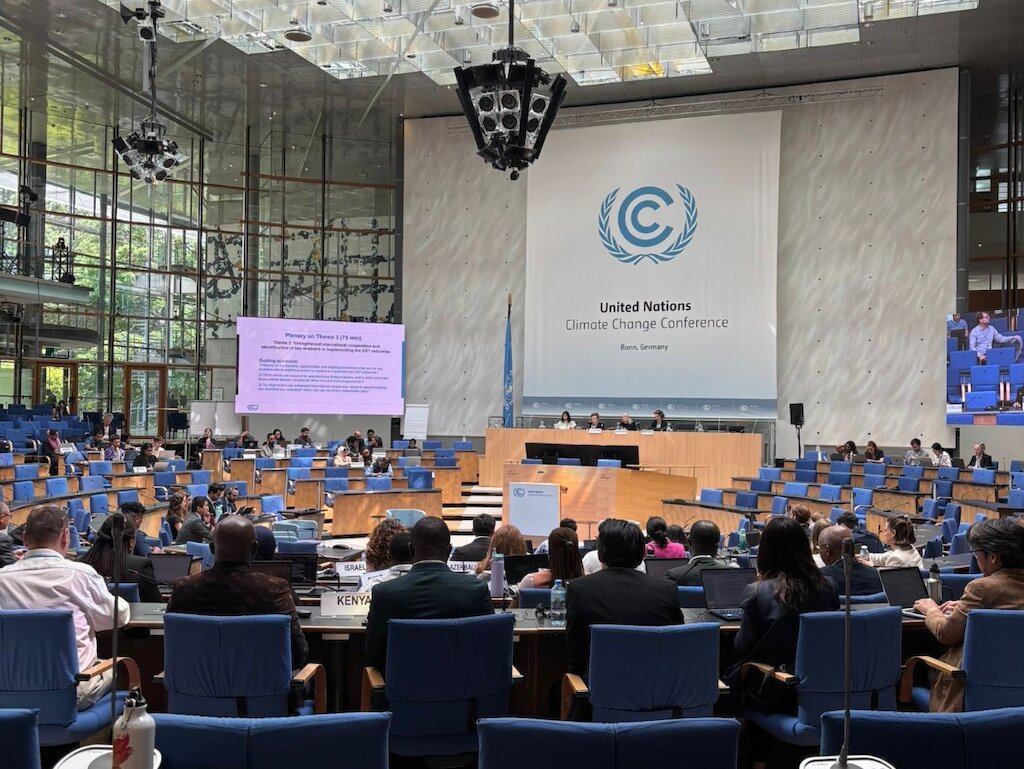
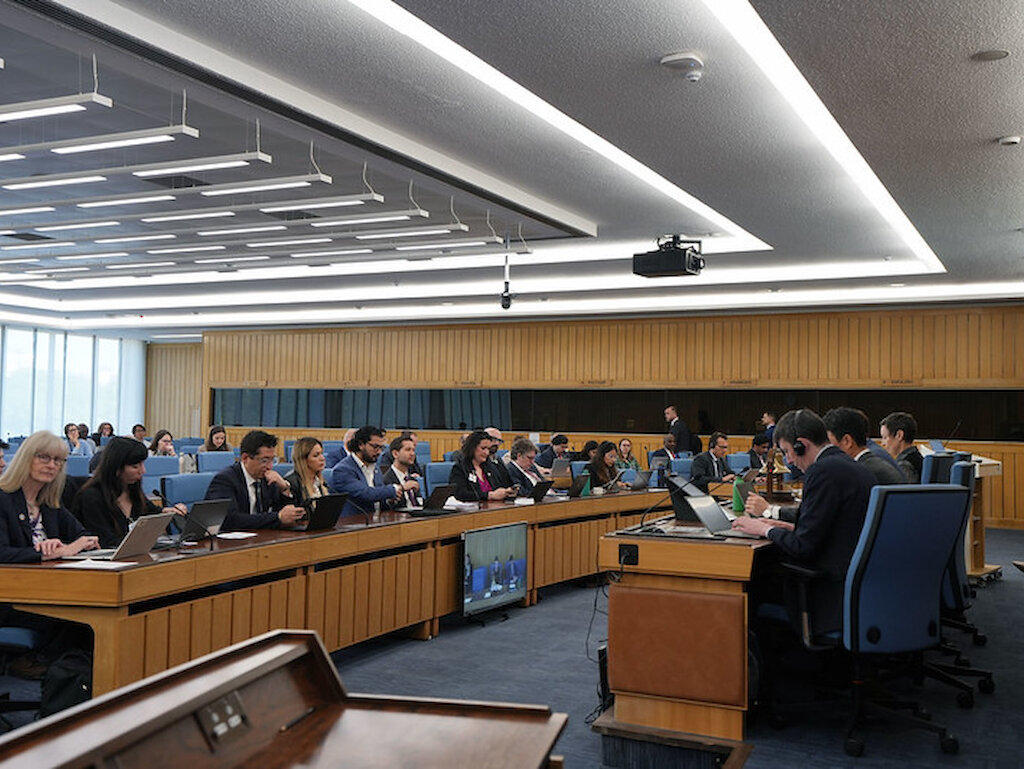
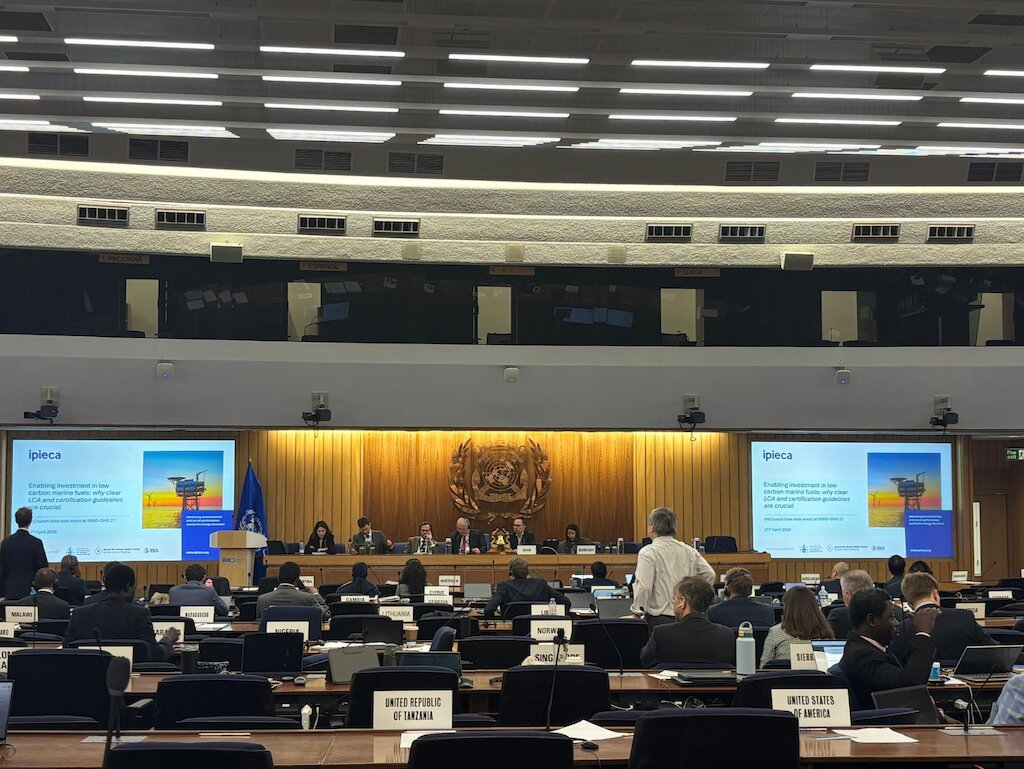
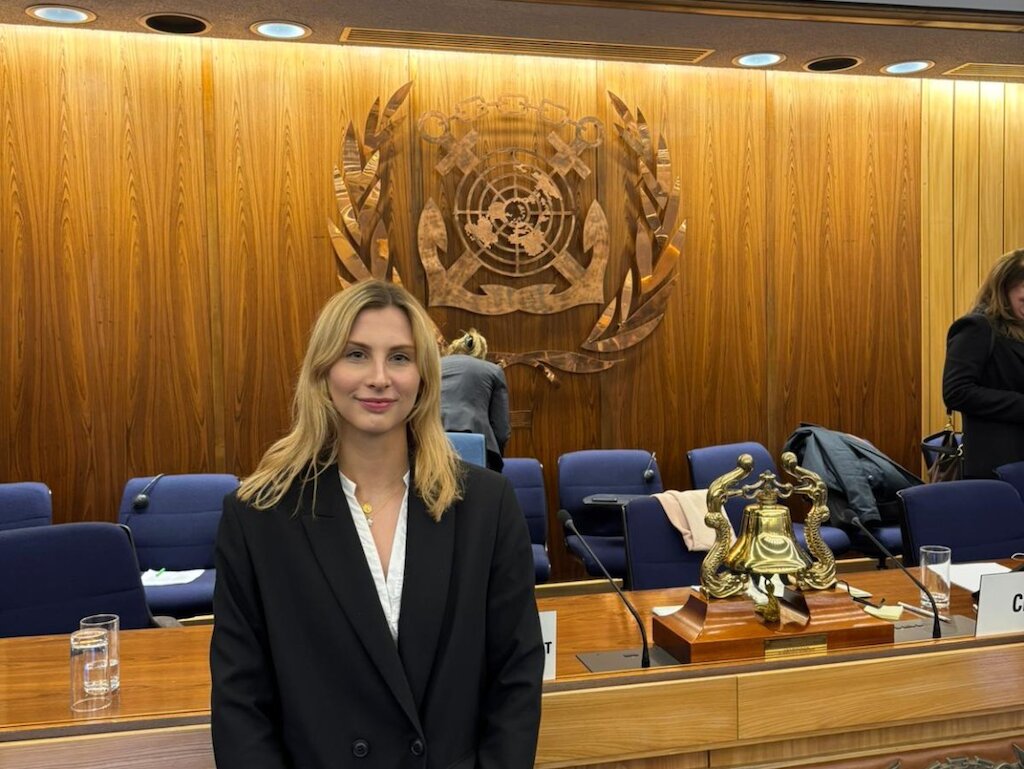


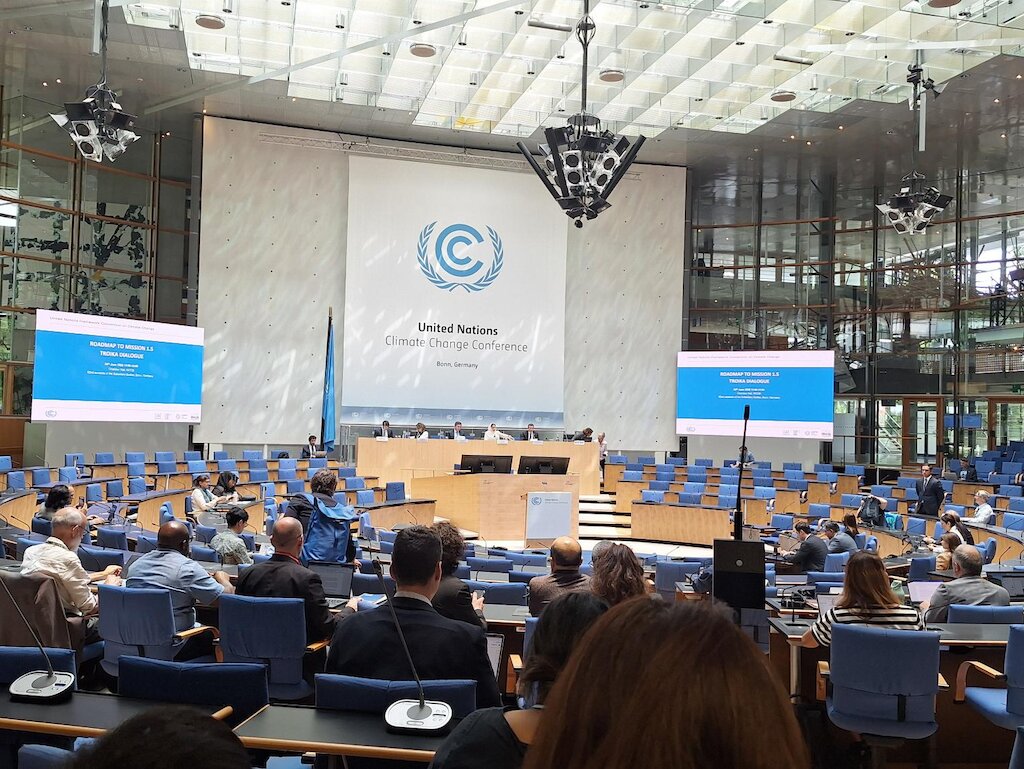
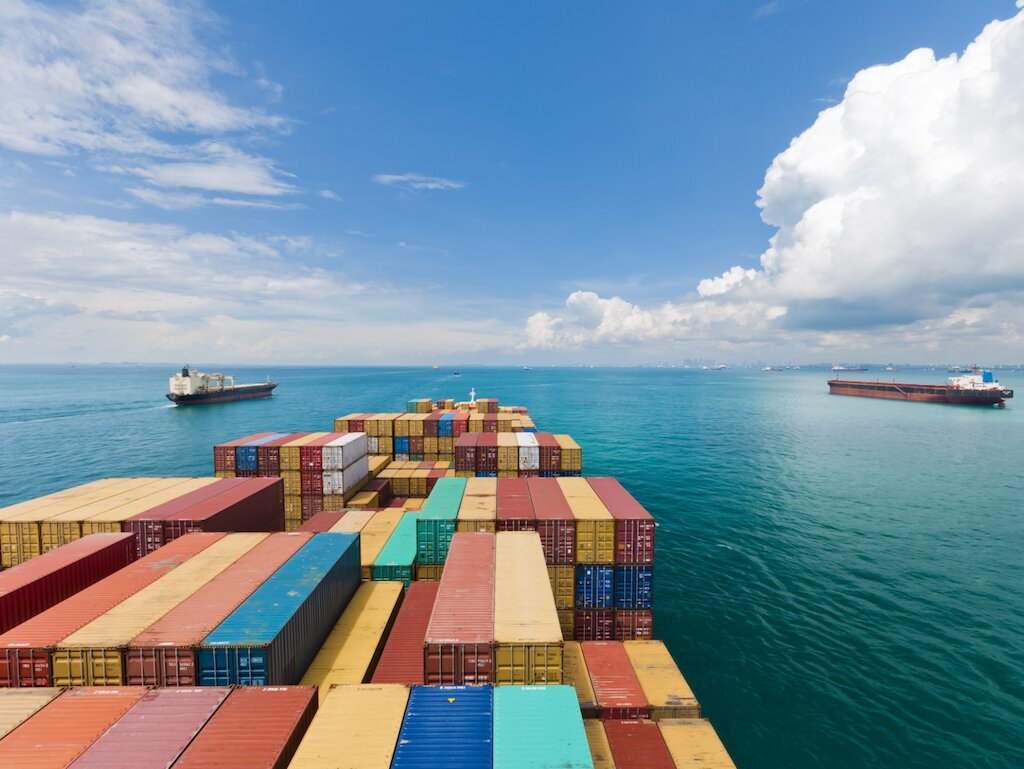
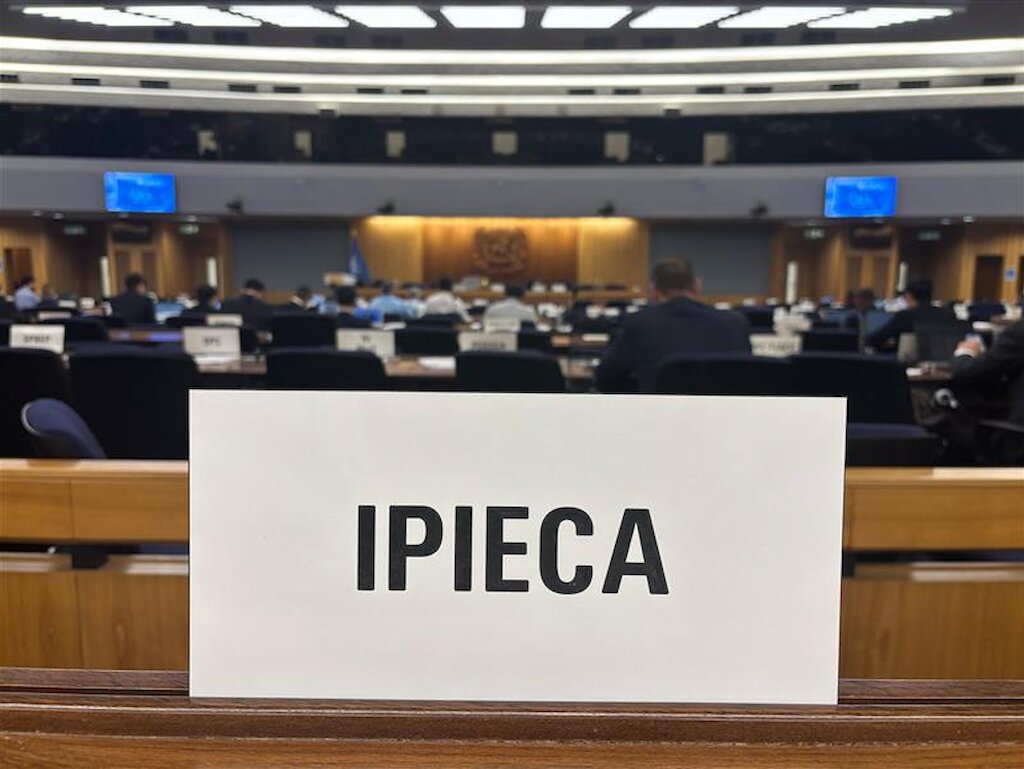
The IMO Marine Environment Protection Committee (MEPC) met for its 83rd session in person at IMO Headquarters in London where it approved the IMO Net-zero Framework, the first in the world to combine mandatory emissions limits and GHG pricing across an entire industry sector.
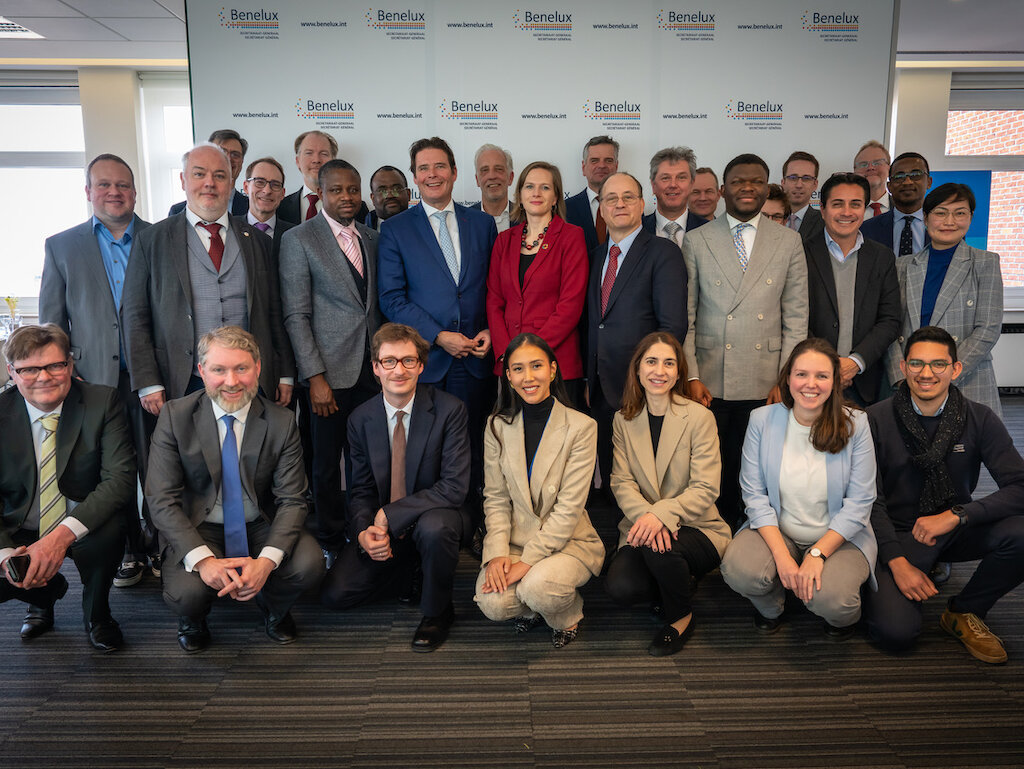
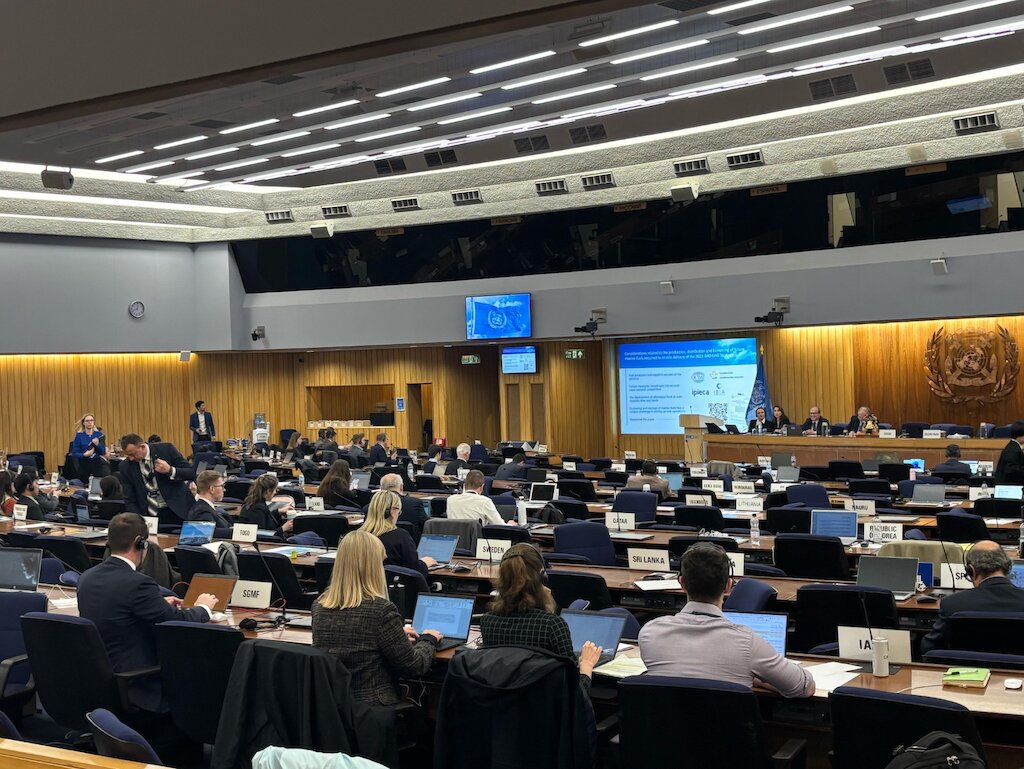
26 September is World Maritime Day 2024. This year’s theme ‘Navigating the future: safety first’ reflects the IMO's work to enhance maritime safety and security, in tandem with the protection of the marine environment. The theme also provides the opportunity to focus on the safety implications arising from the introduction of alternative fuels including measures to reduce GHG emissions from ships.
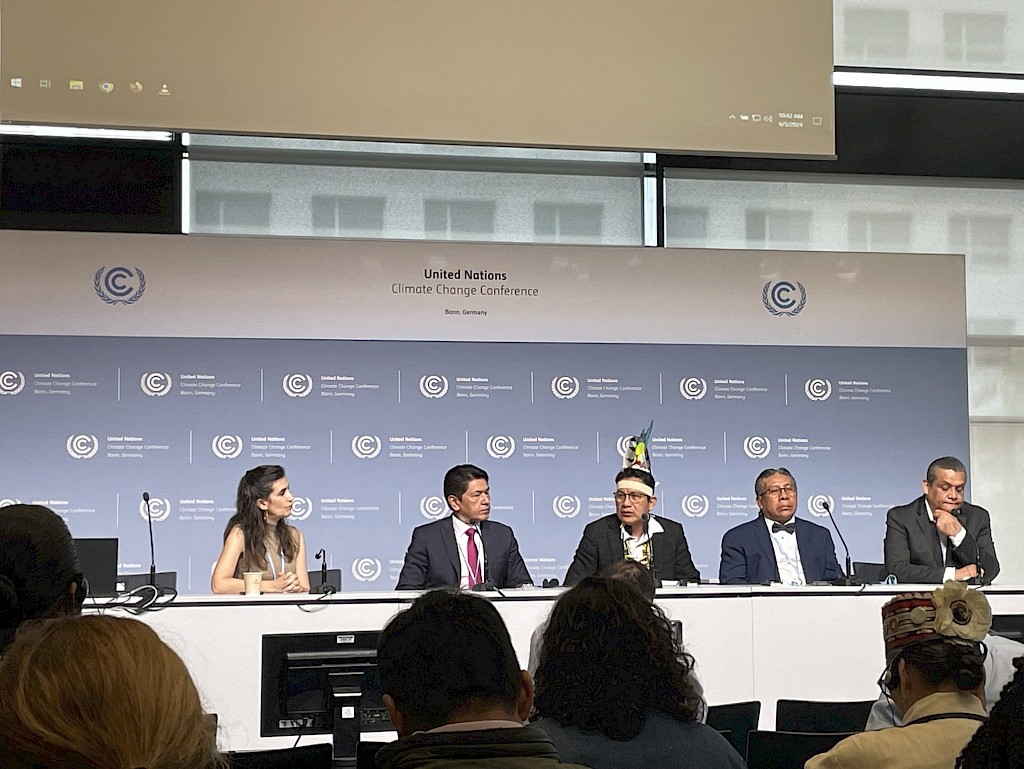
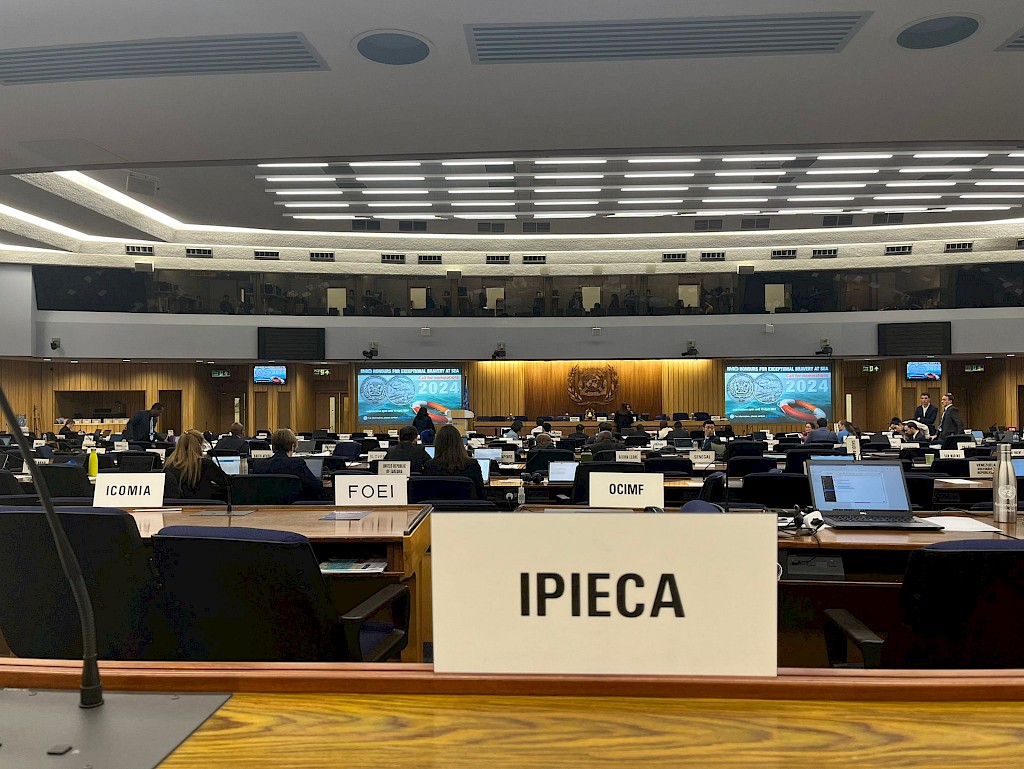
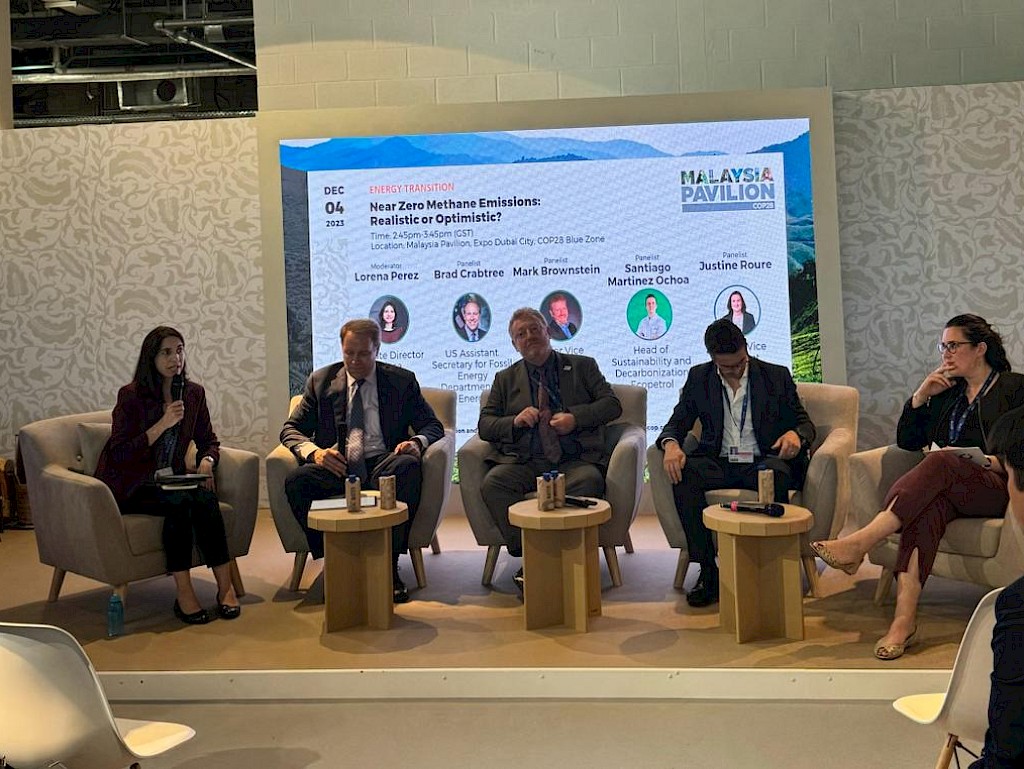
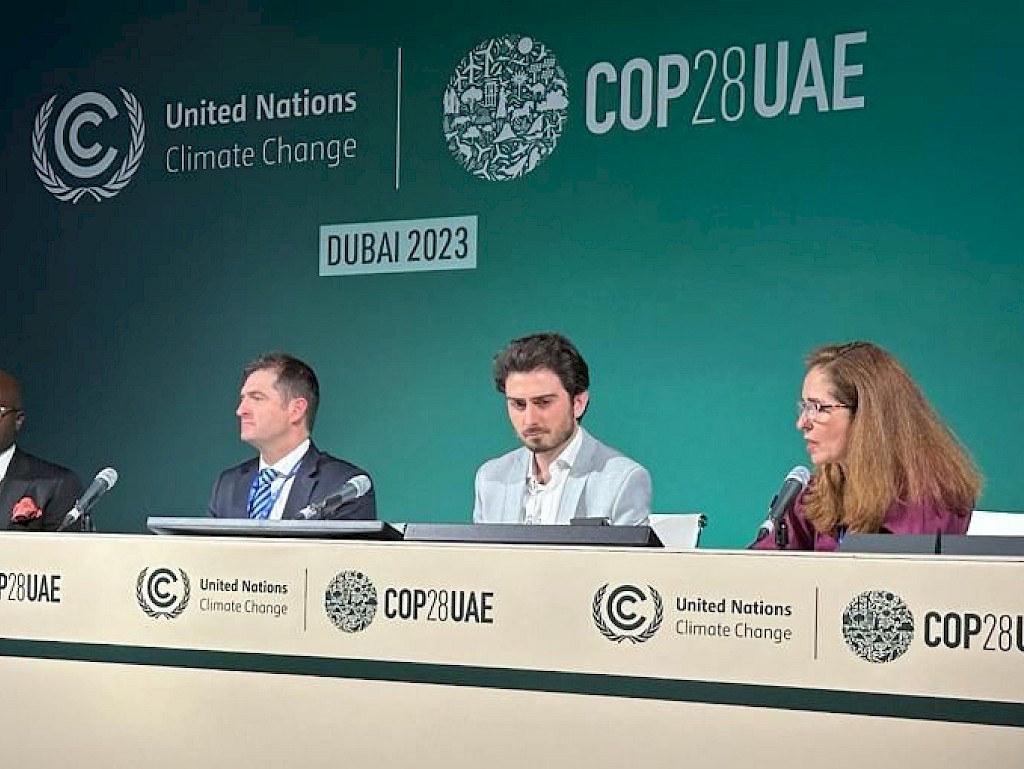
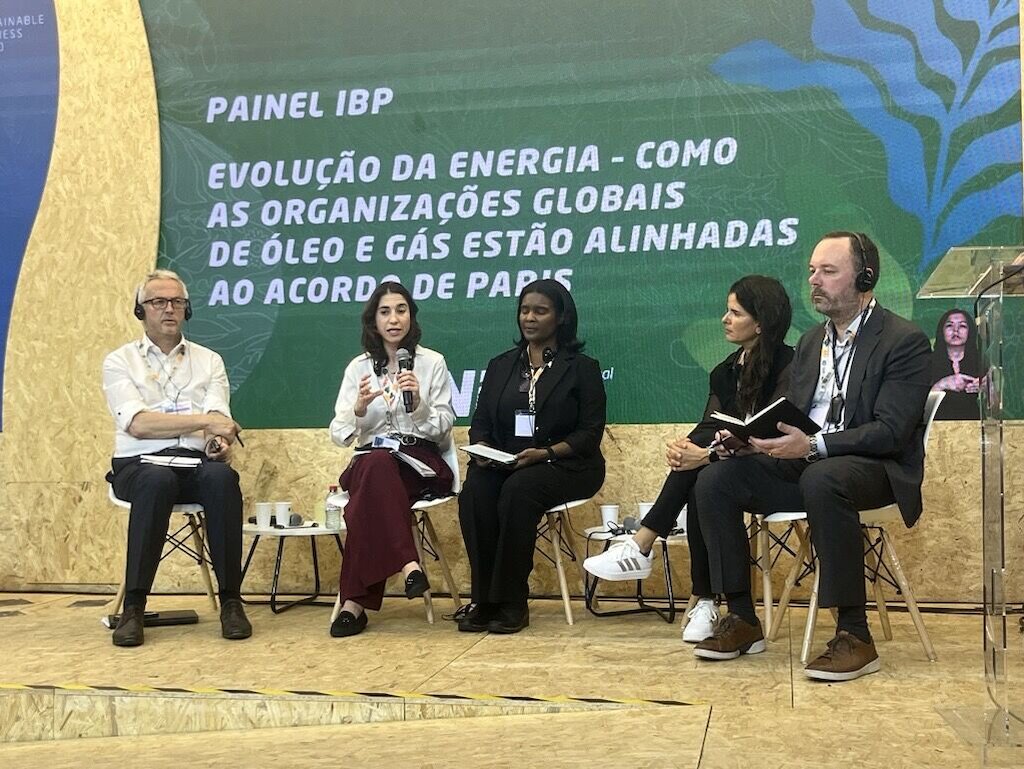
As part of its support of COP events and the Paris Agreement, and in line with the Ipieca Principles, Ipieca raises awareness of COP outcomes, shares on the ground learnings and insights, and produces practical guidance and tools to support the industry contribute to achieving COP objectives.

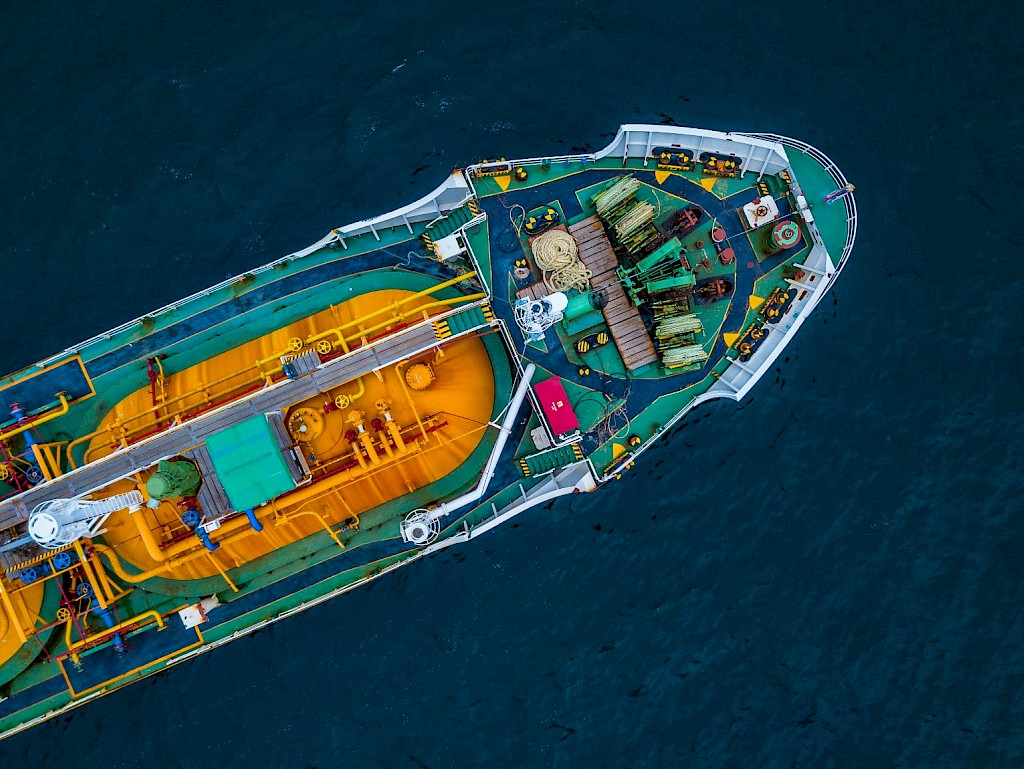
This year's theme, 'MARPOL at 50 - our commitment goes on', reflects the organization's history of protecting the environment from the impact of shipping. Ipieca works to support MARPOL through a range of expertise around technologies, GHG emissions reduction, marine spill preparedness and response, health and safety.
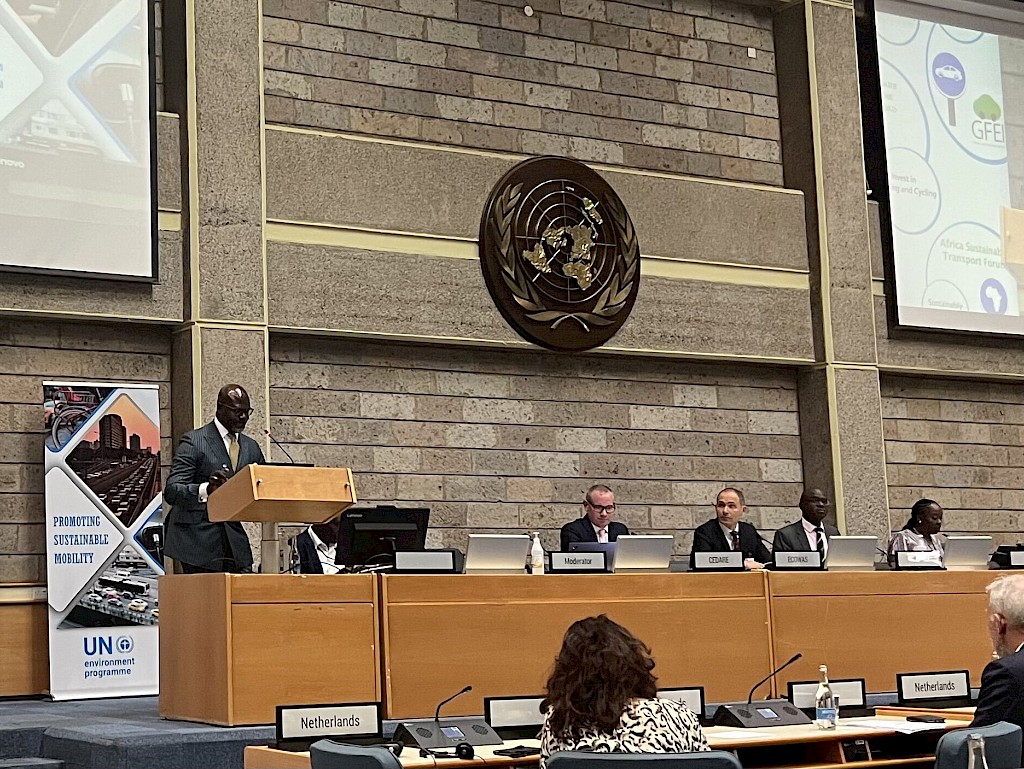
Hosted by UN Environment Programme (UNEP) and the Netherlands government, this meeting was aimed at finding ways to support Africa to adopt low sulphur fuels, in line with the UNEP hosted Partnership for Clean Fuels and Vehicles (PCFV) focus to reduce sulphur in petrol and diesel fuel to 50 parts per million (ppm) and below in the Global South. With an increasing vehicle population to meet rising mobility needs in the continent, many African cities are recording poor air quality.