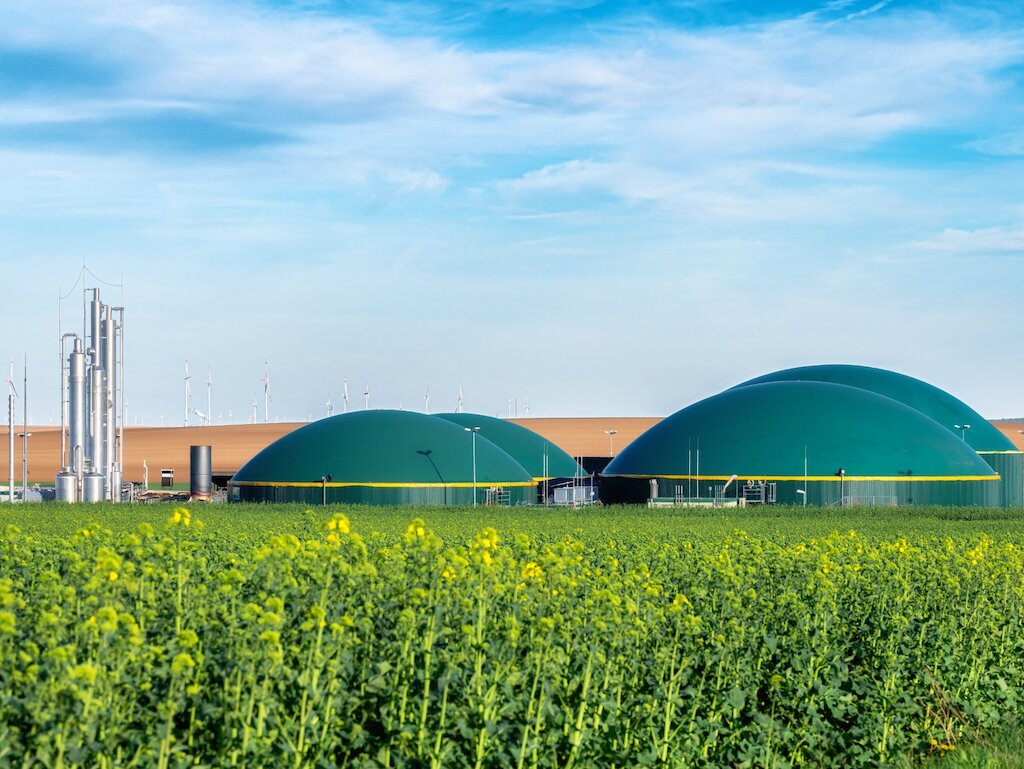
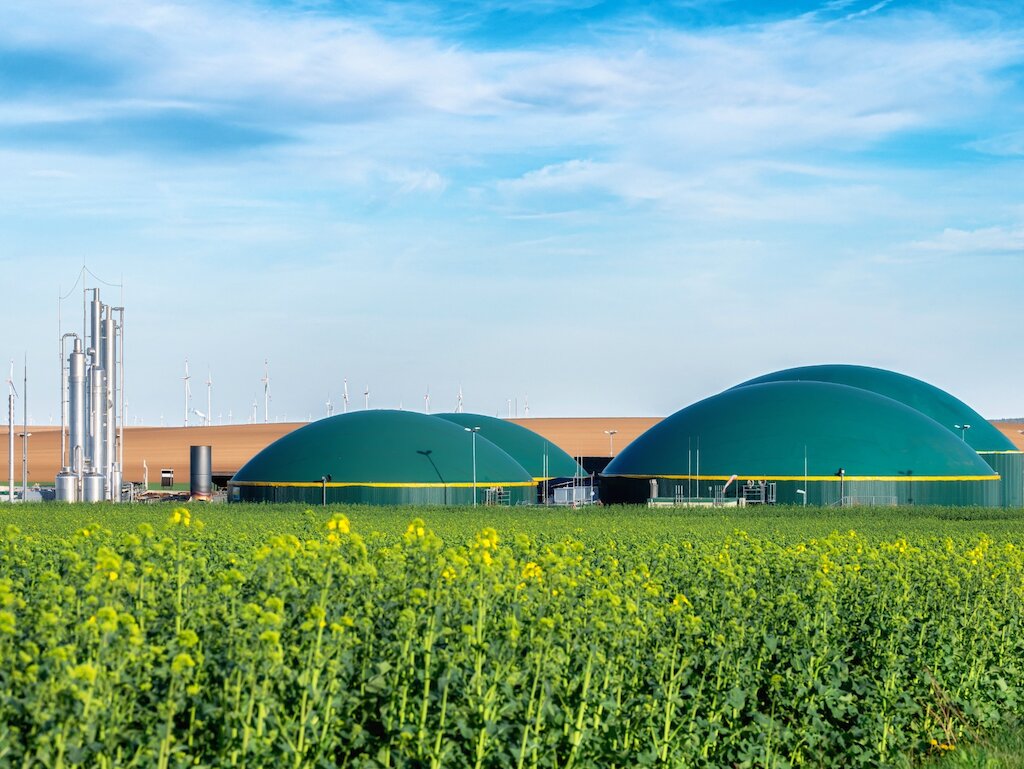
Shell Low Carbon Fuels Sustainability Manager and Ipieca Sustainability of Biofuels Task Force Co-Chair Anne Romeo explains what biofuels are, how they are used, their potential benefits and the sustainability considerations that shape their role in the energy transition.

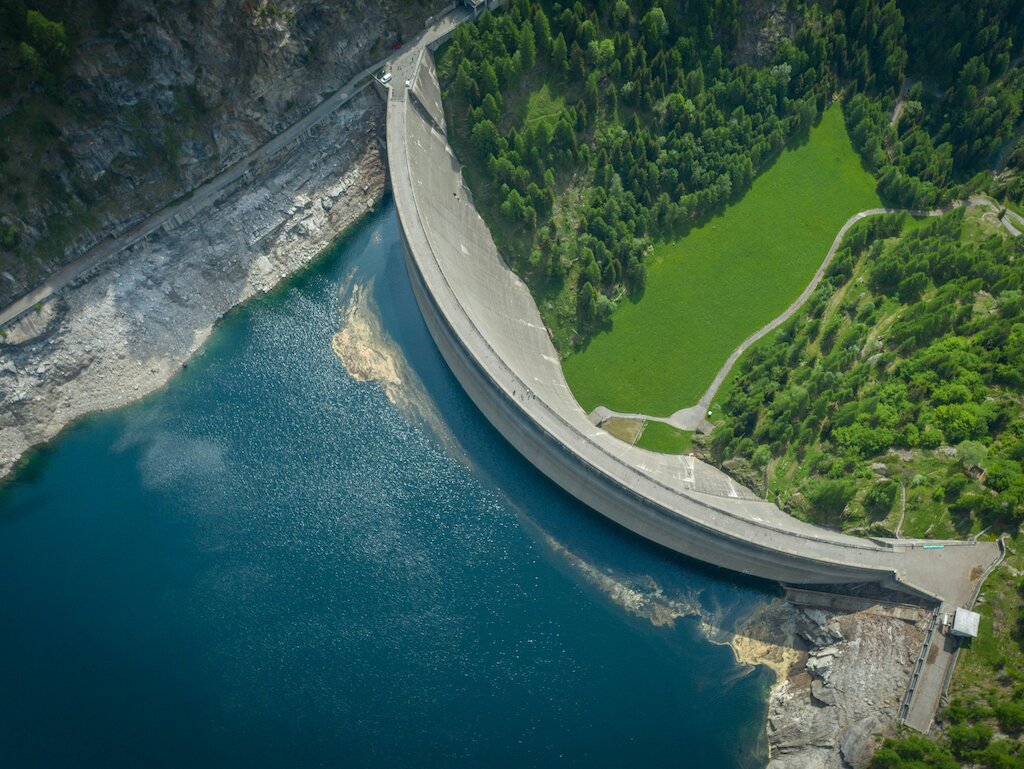
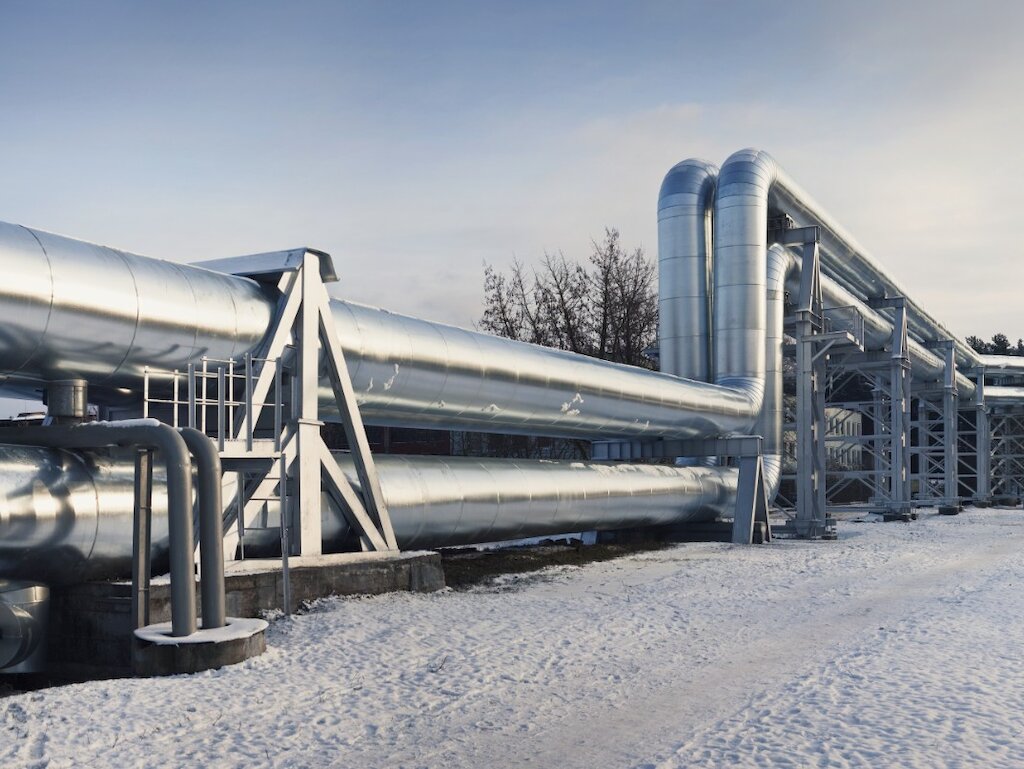
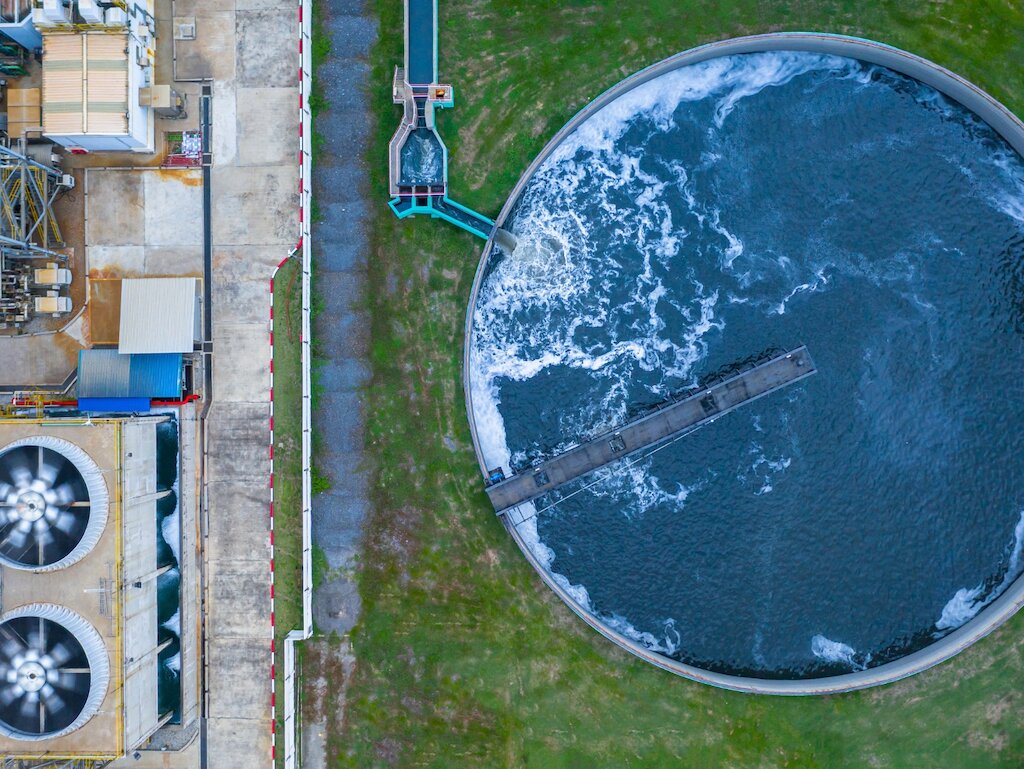
Ipieca has launched a series of five fact sheets exploring water use and stewardship across technologies and value chains relevant to the energy transition. The series covers natural gas, liquefied natural gas, hydrogen, carbon capture and storage, and cooling systems.

Ipieca and IUCN have launched the Principles for marine net positive impact, supporting energy companies and other stakeholders seeking to translate voluntary marine net positive impact ambition into credible, measurable and lasting gains for biodiversity and nature.
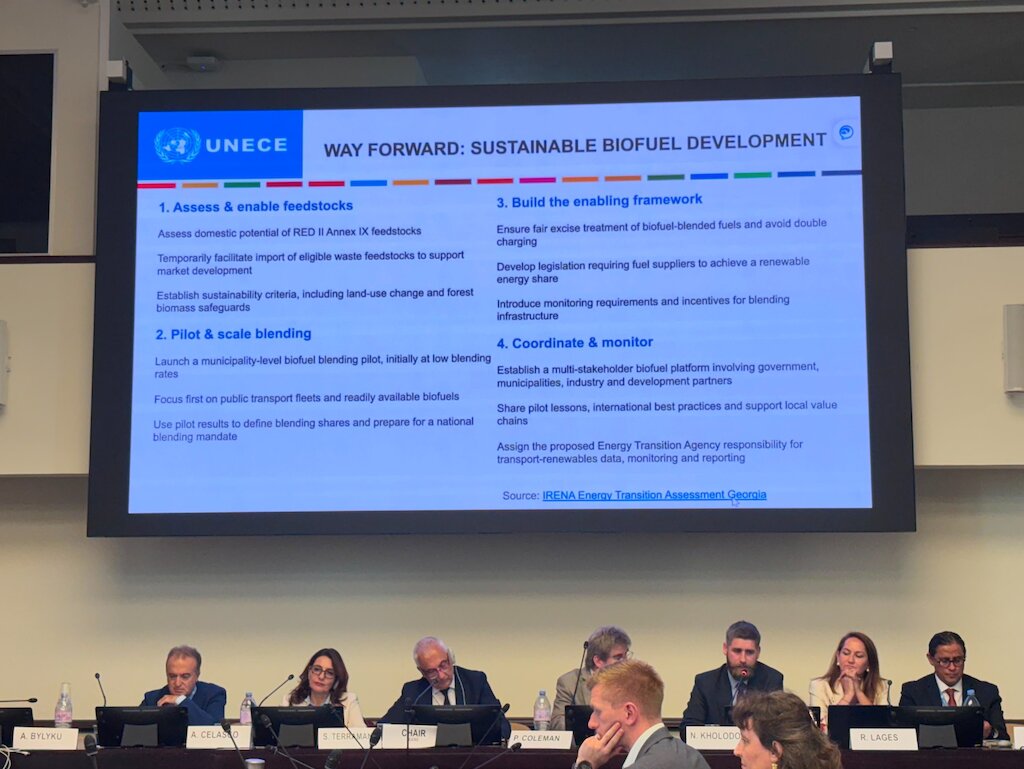
The week featured discussions on renewable energy, energy efficiency, cleaner electricity systems, resilient energy infrastructure, energy financing and the role of sustainable fuels in supporting the energy transition. Participants highlighted the importance of integrated approaches that strengthen energy security, affordability and sustainability while accelerating progress towards climate goals.
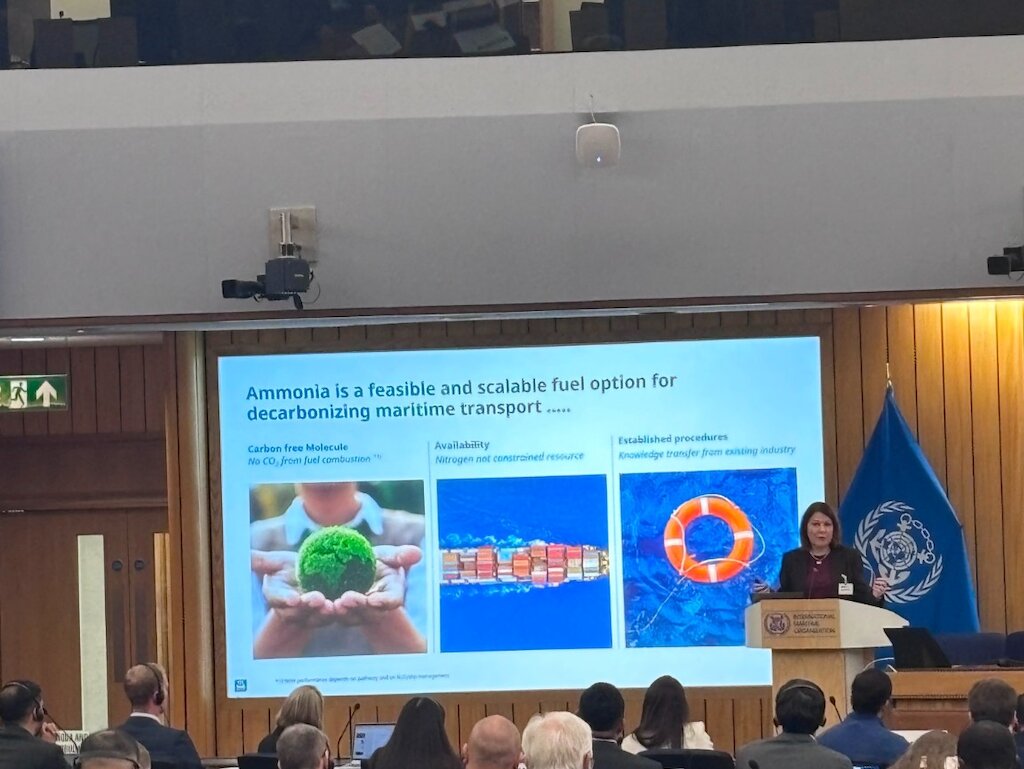


Ipieca and OCIMF have signed a memorandum of understanding to strengthen collaboration in support of sustainable maritime transport and the production and use of fuels. The agreement was signed in London by Brian Sullivan, CEO of Ipieca, and Don Davis, Managing Director of OCIMF.

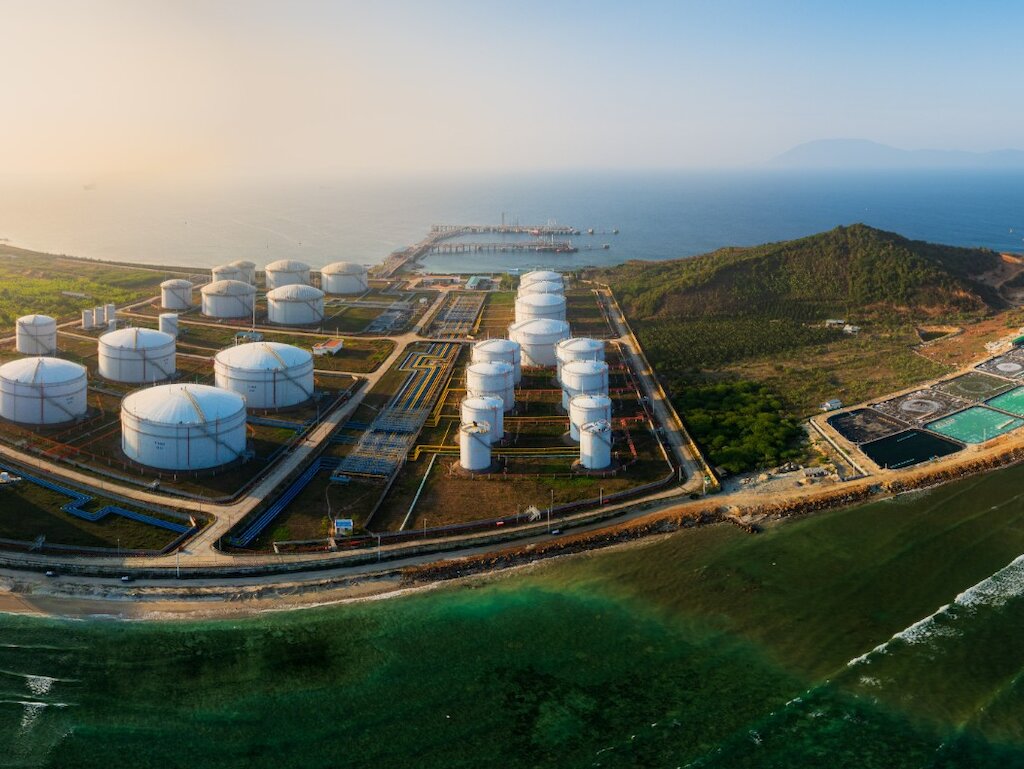
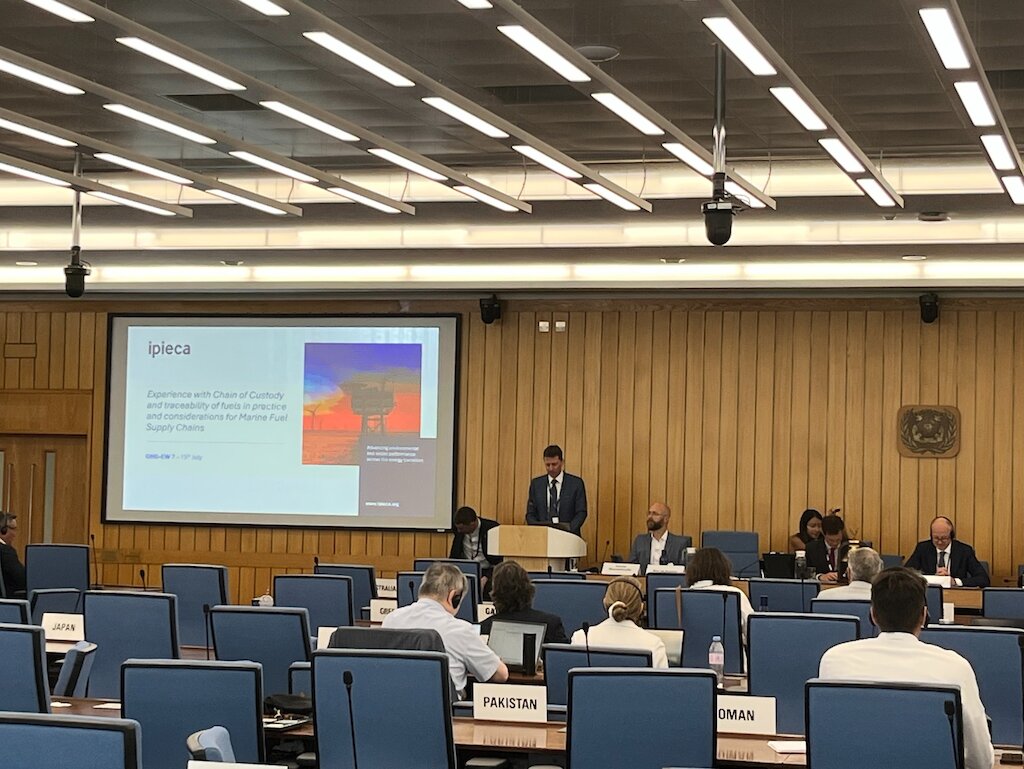
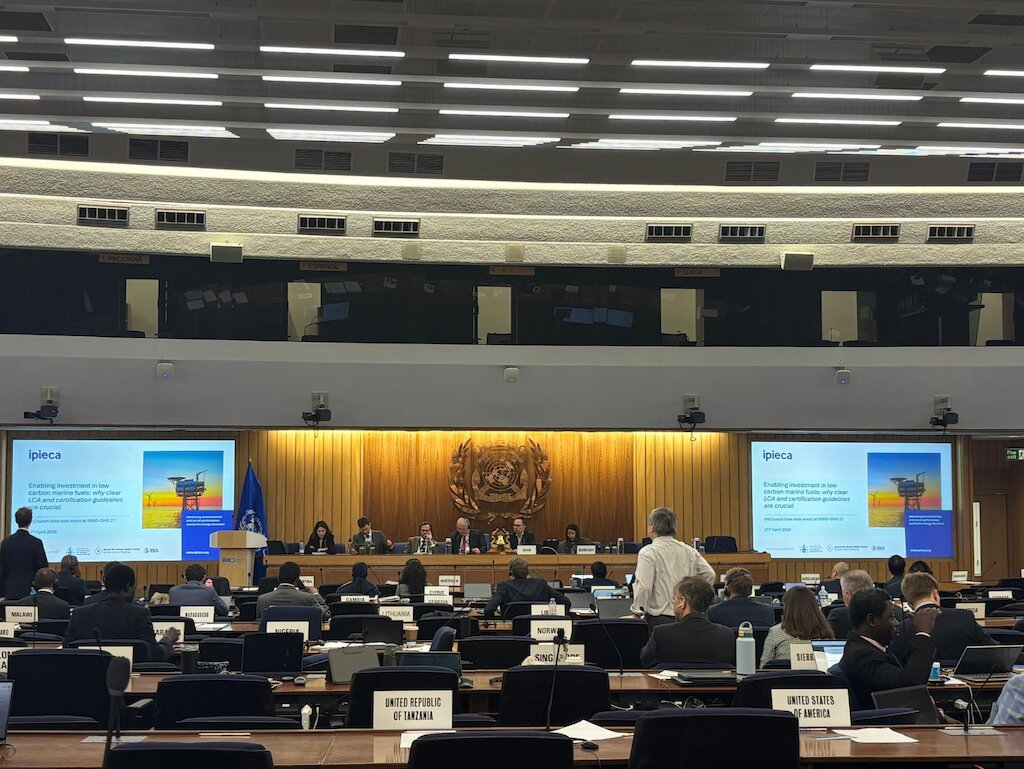
The IMO's seventh GHG expert workshop brought together representatives, including governments, industry, certification bodies, standards organisations and academia to explore chain of custody models for fuel supply chain traceability.



Leaders from business, finance and the conservation community gathered in Cambridge, the UK, for the Nature Action Dialogues, co-hosted by UNEP-WCMC, Proteus Partners and Jesus College Cambridge. This year's theme was 'Countdown to 2030: aligning ambition, scaling integrated action’.



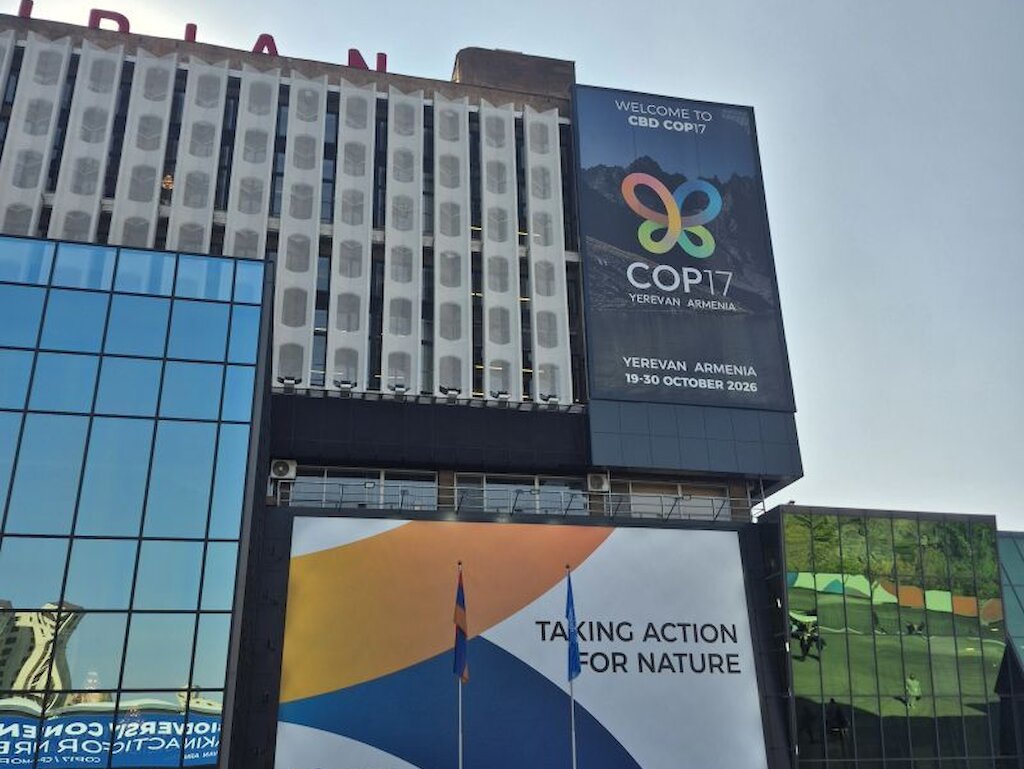
Ipieca supported and took part in the forum, which highlighted sector-specific solutions to accelerate biodiversity mainstreaming, inform COP17 outcomes and strengthen regional reporting and implementation of the Global Biodiversity Framework.