This report focuses on identifying capabilities and gaps associated with surveillance monitoring from aircraft, covering both surveillance platforms and sensors. The report then conducts an assessment of the capabilities of the technology for OSR and provides findings for enhanced use of the technology by the industry. The report is complementary to a similar report assessing surveillance capabilities of satellite sensors and platforms for oil spill response. Together, these reports cover remote sensing technologies and platforms for oil spill response, and these are linked to recommendations from the American Petroleum Institute (API) in their assessment of remote sensing for oil spill response.
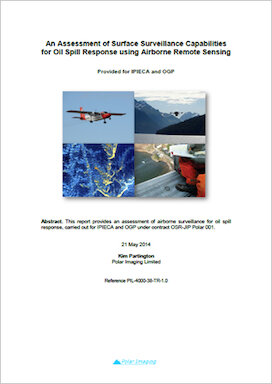
16 May 2014
This report provides an assessment of satellite surveillance for oil spill response and focuses on identifying capabilities and gaps associated with surveillance monitoring from satellites. The report focuses on the surveillance capabilities of satellites, considering both the intrinsic capabilities and the practical and operational capabilities of sensors

This document refers to the importance of oil characterisation and the oil spill response parameters important in assessing strategy following a spill.
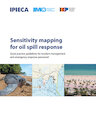
Sensitivity maps convey essential information to those responding to oil spills by identifying the sites of coastal resources and environmentally-sensitive areas. (Revision 2016)
The objectives and activities of OSPRI are explained in this short briefing paper.