Ipieca’s industry leading good practice guidance and resources support oil, gas and alternative energy companies to advance their climate action, environmental responsibility, social performance and integrate sustainability across their operations and supply chains.
The filter below allows you to search for guidance and resources by theme, type, language and date as well as entering a search enquiry.
Optimized, effective waste management is integral to petroleum refinery operations. It helps minimize risk to both people and the environment, enhances resource utilization, and reduces costs.

Health leading performance indicators data from Ipieca and IOGP members for 2013.
Statoil, an international energy company, expanding activities
within shale oil and gas in a sustainable manner
The report explores some of the major themes impacting the SLCFs discussion, and aims to: Identify and understand the effects on warming, precipitation, and air ...
Shaping water management plans to meet local risks. Eni corporate worldwide oil and gas, petrochemical, refining and engineering operations.
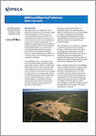
ConocoPhillips undertakes the first pilot of the tool at the Surmont 1 Oil Sands development in Canada.
The Human Rights Training Tool (3rd edition) enables oil and gas companies to develop a better understanding of the corporate responsibility to respect human rights and key human rights issues relevant for the industry.
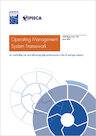
This new Operating Management System Framework is designed to help companies define and achieve performance goals and stakeholder benefits, while managing the broad and significant range of risks inherent in the oil and gas industry.
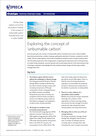
Over the past year, the concepts of 'unburnable carbon', 'stranded assets' and a 'carbon bubble' have been promoted by a number of groups, gaining the attention of investors, academics and the media.
In 2014, UNEP-WCMC (United Nations Environment Programme - World Conservation Monitoring Centre) and Ipieca, the global oil and gas industry association for environmental and social
Title Type Theme Published Download 
Petroleum refinery waste management and minimization Good practice guidance Climate 23 Sep 2014 
Health leading performance indicators - 2013 data Awareness brief People 18 Aug 2014 
Assessing water risks in business development projects Case study Nature 18 Jul 2014 
Understanding short-lived climate forcers Workshop Climate 17 Jul 2014 
Global mapping of Eni sites in water stressed areas Case study Nature 16 Jul 2014 
GEMI Local Water Tool™ pilot test Case study Nature 15 Jul 2014 
Human rights training tool - 3rd edition Good practice guidance People 24 Jun 2014 
Operating Management System Framework for controlling risk and delivering high performance in the oil and gas industry Good practice guidance Climate, Nature, People, Sustainability 24 Jun 2014 
Exploring the concept of 'unburnable carbon' Fact sheet Climate 15 Jun 2014 
Extractives Case Studies Case study Nature 14 Jun 2014