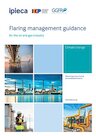
Effectively managing and reducing the routine or unscheduled flaring of natural gas across oil and gas operations is crucial for minimising the industry's upstream emissions. By adopting innovative solutions and leveraging advanced technologies, the industry can significantly reduce methane emissions, conserve valuable natural gas, and enhance energy security for communities worldwide.
The report reveals that in 2024, global gas flaring increased by 3 billion cubic meters, reaching the highest level since 2007. It emphasises the urgent need to accelerate flaring reduction efforts, especially as more than half a billion people in developing countries lack reliable energy access. Additionally, it indicates that countries that have committed to the World Bank’s Zero Routine Flaring by 2030 initiative — of which Ipieca is a supporter — have demonstrated significantly better performance than those that have not endorsed this commitment.
Speakers
- Zubin Bamji, GFMR Manager, World Bank
- Alexandrina Platonova-Oquab, GFMR Senior Energy Specialist, World Bank
Moderated by Ipieca’s Methane Task Force Chair Adam Pacsi, and Methane Policy Advisor at Chevron.