Ipieca’s industry leading good practice guidance and resources support oil, gas and alternative energy companies to advance their climate action, environmental responsibility, social performance and integrate sustainability across their operations and supply chains.
The filter below allows you to search for guidance and resources by theme, type, language and date as well as entering a search enquiry.
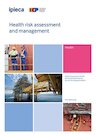
This report presents recommendations for optimal health risk assessment and management within a health, safety, and environment management programme.
Health leading performance indicators data from Ipieca and IOGP members for 2024.
Health leading performance indicators data from Ipieca and IOGP members for 2023.
Health leading performance indicators data from Ipieca and IOGP members for 2022.

Health leading performance indicators data from Ipieca and IOGP members for 2021.

Health leading performance indicators data from Ipieca and IOGP members for 2020.

Health leading performance indicators data from Ipieca and IOGP members for 2019.

Health leading performance indicators data from Ipieca and IOGP members for 2018.

Health leading performance indicators data from Ipieca and IOGP members for 2017.

Health leading performance indicators data from Ipieca and IOGP members for 2016.
Health leading performance indicators data from Ipieca and IOGP members for 2015.

Health leading performance indicators data from Ipieca and IOGP members for 2014.

Health leading performance indicators data from Ipieca and IOGP members for 2013.
This Ipieca-IOGP report provides guidelines and practical information to control adverse health effects from working in extreme climates.
Indicators for the health performance of the industry are a necessary part of effective health management and the promotion of improvements in health performance.
Ipieca has partnered with IOGP to develop new guidance on managing health in the oil and gas industry.
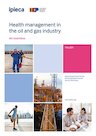
This document provides a summary of the 2019 Ipieca-IOGP guidance on managing health in the oil and gas industry.
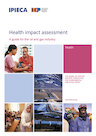
This guide defines and outlines the purpose and value of health impact assessments within the oil and gas industry...
This guidance is an addendum to the International Association of Oil & Gas Producers (IOGP) existing HSE Management - guidelines for working together in a contract environment
This is the fifth version of this document and presents the Committee's views on testing, isolation, and quarantine in industry workplaces.
This document provides a list of factors for oil and gas industry companies to consider as they prepare for their workers to return to offices.
This position paper explores how the pandemic is impacting mental health, mental health threat factors, their business-related impacts and prevention and mitigation measures.
This document provides guidance for business leaders, HSE professionals, and health practitioners on the business case for outcome-focused and cost-effective medical emergency response (MER) and primary healthcare in the energy industries.
This document offers guidance for oil and gas industry JVs on the governance, policy development, implementation and management of HSSE&SR.
This Guide describes how human rights can be integrated into environmental, social and health impact assessments (ESHIAs), which the oil and gas industry routinely uses to evaluate projects and activities.
Cardiovascular diseases (CVDs), i.e. heart attacks and strokes, are the main causes of death within the oil and gas industry. This guidance document has been designed for doctors, medical professionals
This document provides general background on drilling fluids and the various categories of base fluids and additives currently in use. It outlines potential health hazards associated with these substances, looks at potential areas for human exposure presented by drilling operations, and introduces risk management methods and monitoring processes aimed at reducing the risk of harmful health effects.
This document identifies the principal health and safety issues when an oil spill occurs, their degree of severity and the practical steps to minimize the impact of the spill.
During Ipieca Week 2026, Ipieca stakeholders were invited to provide insights on the global energy system's profound transformation.
During Ipieca Week 2026, Ipieca stakeholders were invited to provide insights on the complex and interconnected development realities of Global South countries as they pursue economic and social progress while aiming to meet climate and nature goals.
During Ipieca Week 2025, stakeholders were invited to provide insights on how Ipieca can help put nature, people and climate at the heart of the energy transition, working towards an accelerated industry contribution to a sustainable world.
This briefing builds a shared understanding of carbon-compensated products, their role in supporting net-zero ambitions and the energy transition, and explores good practice in using them.


