GI WACAF
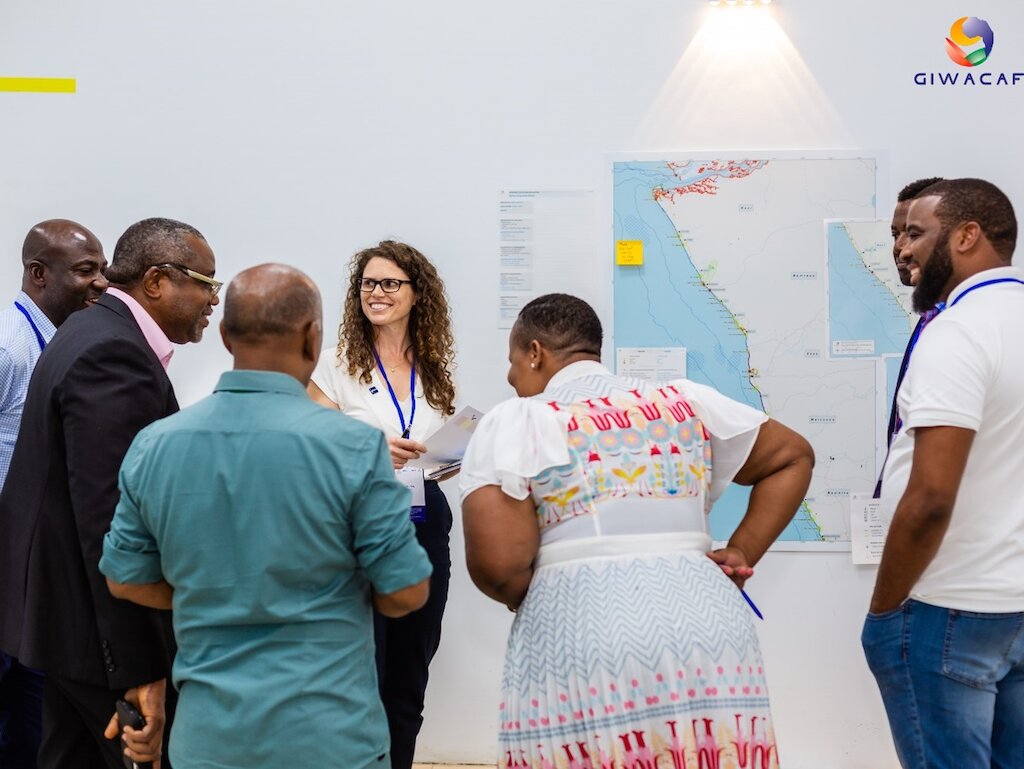
The GI WACAF project supports oil spill preparedness and response across a region characterised by extensive coastlines, significant offshore oil and gas activity, busy shipping routes and environmentally sensitive marine and coastal areas. The project supports the development and testing of national oil spill contingency plans, national training and exercises and stronger transboundary cooperation.
Key highlights
- 5,200+ people trained since 2006
- National contingency plans up from 5 to 22 countries
Find out more
GI SEA
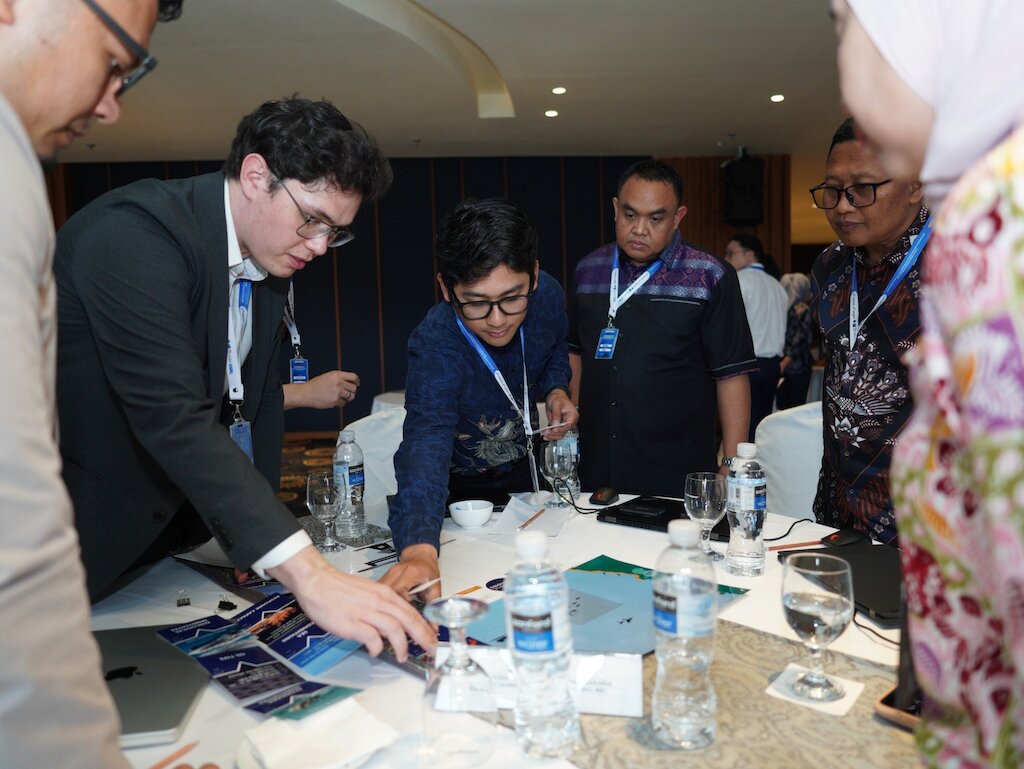
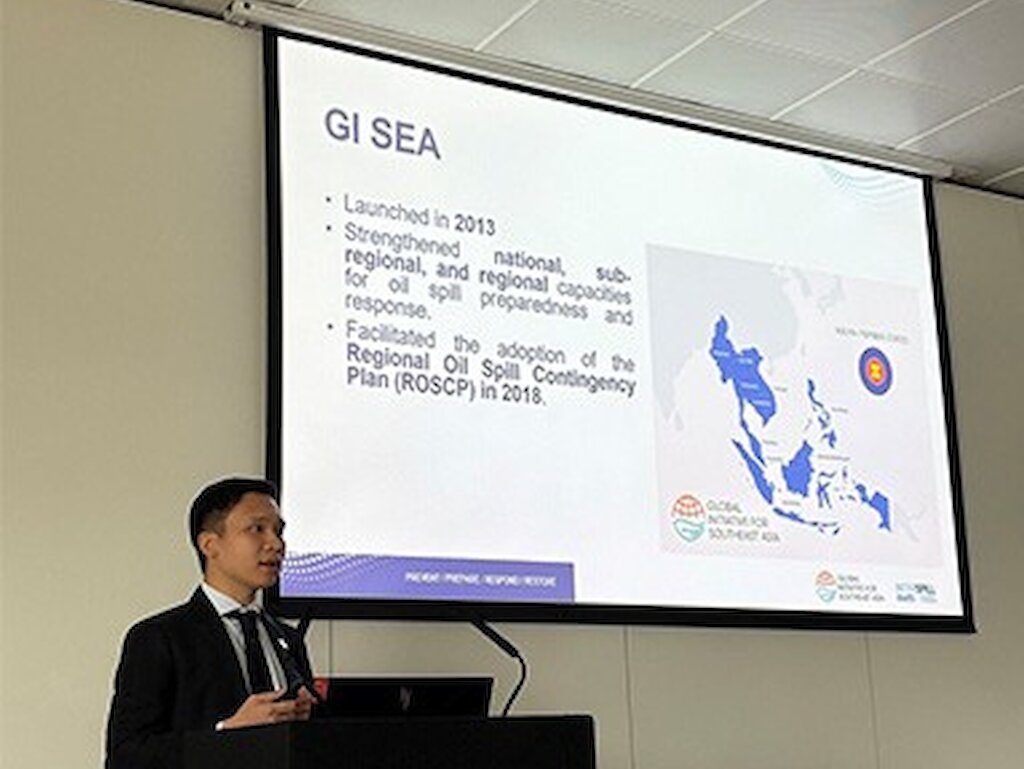
GI SEA was established as a trusted partner to governments and industry across the 11 ASEAN Member States, supporting the strengthening of marine spill preparedness at national, subregional and regional levels. GI SEA also serves as a dialogue partner to the ASEAN Maritime Transport Working Group, supporting the implementation of the ASEAN Regional Oil Spill Contingency Plan.
Key highlights
- Finalised dispersant-use guidelines for the Gulf of Thailand
- Reactivated regional cooperation agreements and supported regulatory alignment across the region
Find out more
OSPRI
OSPRI works through the Bucharest Convention and the Tehran Convention to support governments, industry and regional organisations. It helps build common approaches, strengthen national and regional contingency planning, and develop the cooperation needed to respond effectively to oil pollution incidents, including those that may exceed national capabilities or cross boundaries.
Key highlights
- Supported ratification of the four key IMO conventions related to oil spill preparedness in the region
- Regional plans developed under the Bucharest and Tehran frameworks that govern transboundary oil spill preparedness, response, and cooperation for the Black Sea and the Caspian Sea, respectively
- Inputs to the development of the oil pollution protocol for the Caspian Sea, known as the Aktau Protocol
Find out more