Calendar21 September 2026

2026 marks 30 years since the Global Initiative (GI) was established to support the implementation of the International Maritime Organization’s (IMO) International Convention on Oil Pollution Preparedness, Response and Co-operation. Throughout that time, the GI has helped to prevent and minimise the impact of spills on the marine environment, protect local communities and ensure the safety of maritime workers.

How the GI works

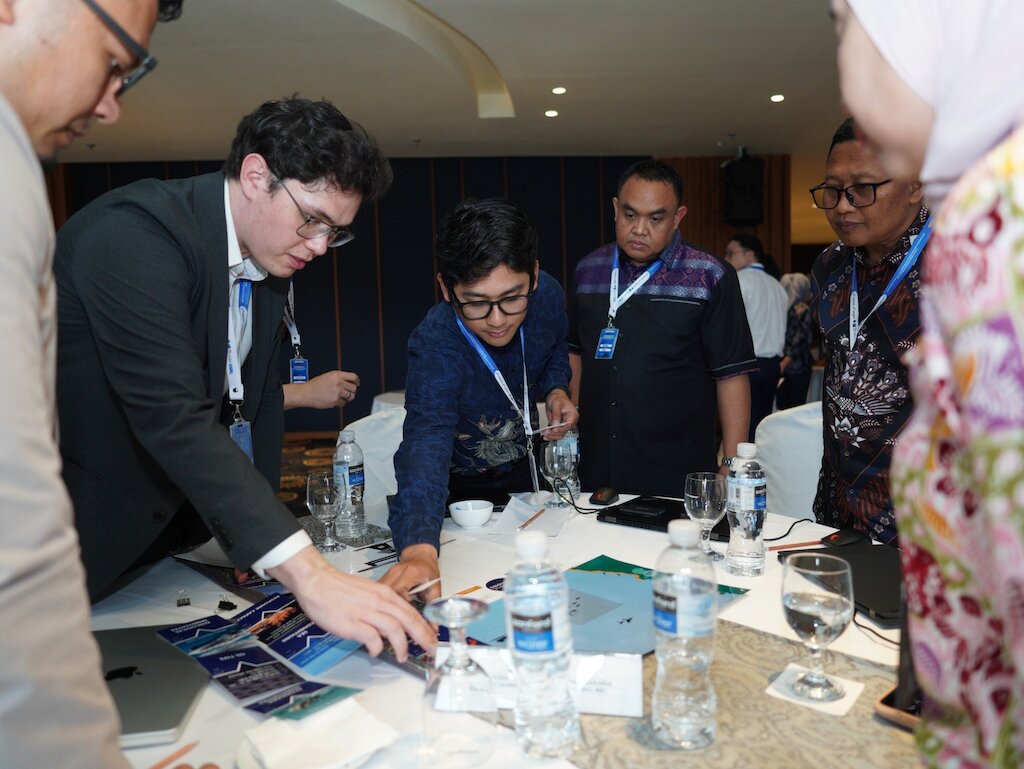
The GI brings together governments, through the IMO, and the oil and gas industry, through Ipieca, to work together in developing national structures and capability for oil spill preparedness and response. It does this through:

  • Preparedness and response exercises, workshops and conferences
  • Supporting the development of marine spill contingency plans
  • The promotion and implementation of conventions and agreements related to spill preparedness and response

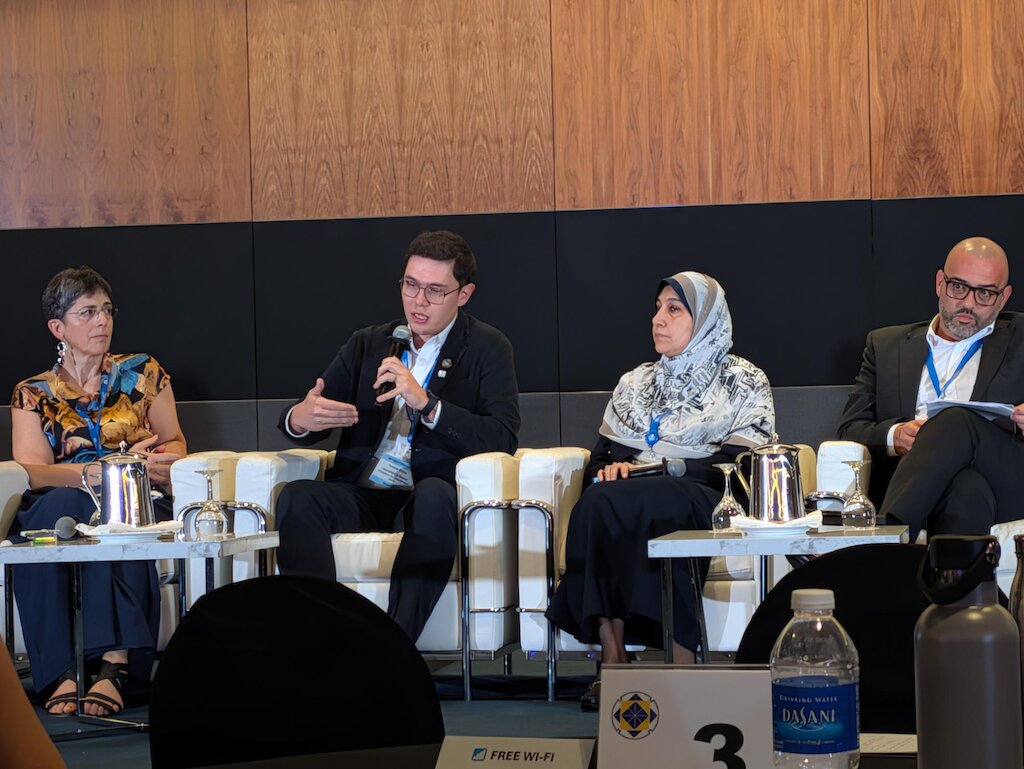
Patricia Charlebois, Deputy Director, Marine Environment Division, IMO, said: ‘For 30 years, through the GI, the IMO has stood alongside Ipieca, a partnership built on a simple idea that preventing and responding to oil spills is stronger when governments and industry work together.’

Brian Sullivan, CEO, Ipieca, said: ‘30 years is a long time for any partnership to last. What makes the IMO-Ipieca Global Initiative so special is that it has endured because it does something very practical and very necessary. It brings government and industry together before incidents happen, and it helps countries strengthen their preparedness systems.’

Where the GI operates
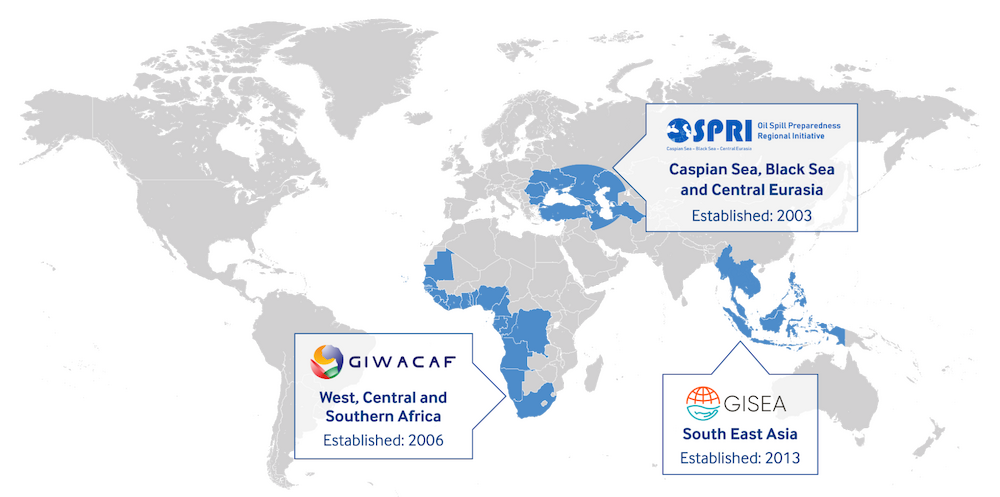
There are three GI programmes world-wide, focused on high-risk areas where the environmental and socio-economic impacts of spills could be severe:

Key highlights

5,200+ people trained

GI WACAF has trained over 5,200 people and supported 22 country national contingency plans

ASEAN contingency plan

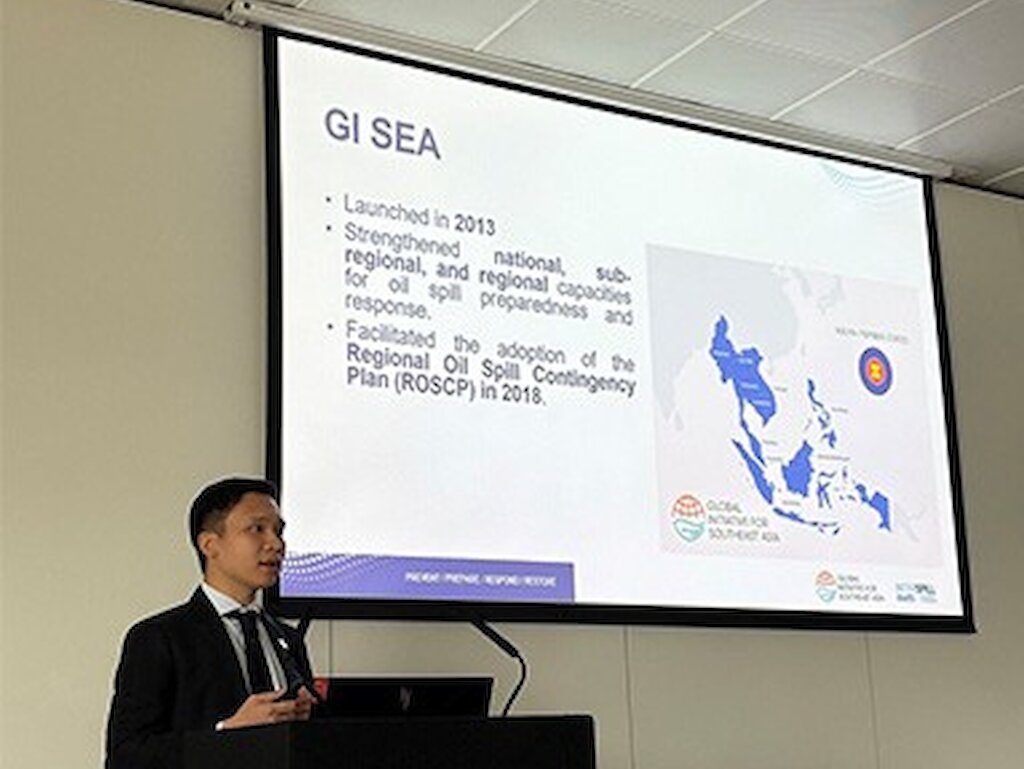
GI SEA assisted with the adoption and implementation of the regional ASEAN Regional Oil Spill Contingency Plan and subregional Dispersant Guidelines for the Gulf of Thailand

Ratification of IMO conventions

The ratification rate of four key IMO spill related conventions has risen from 28% to 73% in the OSPRI region

Collaboration remains key to spill prevention, preparedness and response

Key to the success of the GI is the understanding that spills cross borders and a major response is too big and complex for any one party to handle on its own. Through the GI’s convening power and programme of activities marine spill decision makers know each other, understand where responsibilities lie and are ready to work together.

The GI has endured for three decades because spill prevention, preparedness and response are stronger when government and industry work together. The work the GI does remains as important today as when it began 30 years ago.

Learn more about the Global Initiative

E-mail alerts

Sign up to receive Ipieca's e-news
Climate
Nature
People
Sustainability
Marine spill
Please confirm that you are happy to receive newsletters from Ipieca: