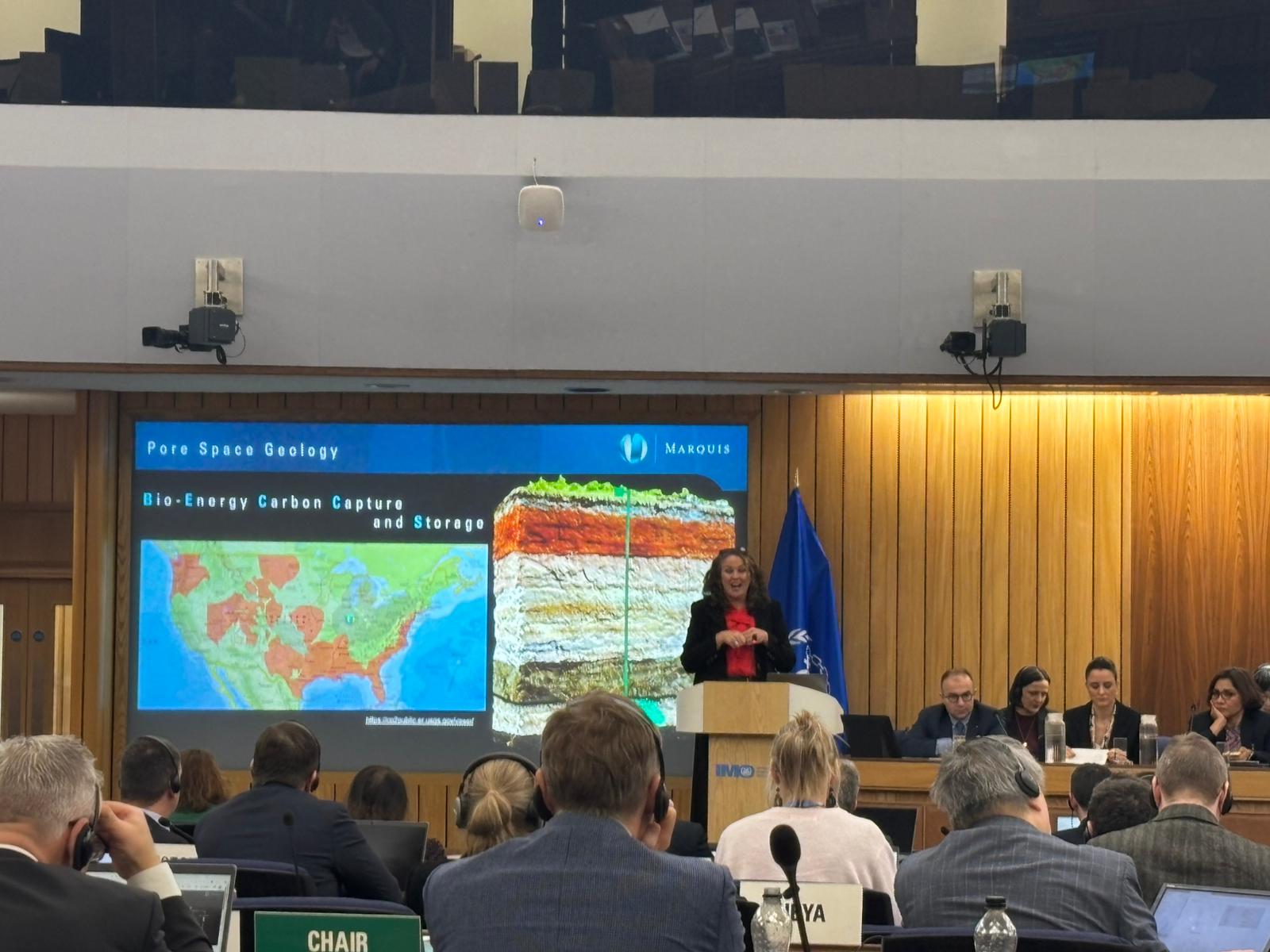
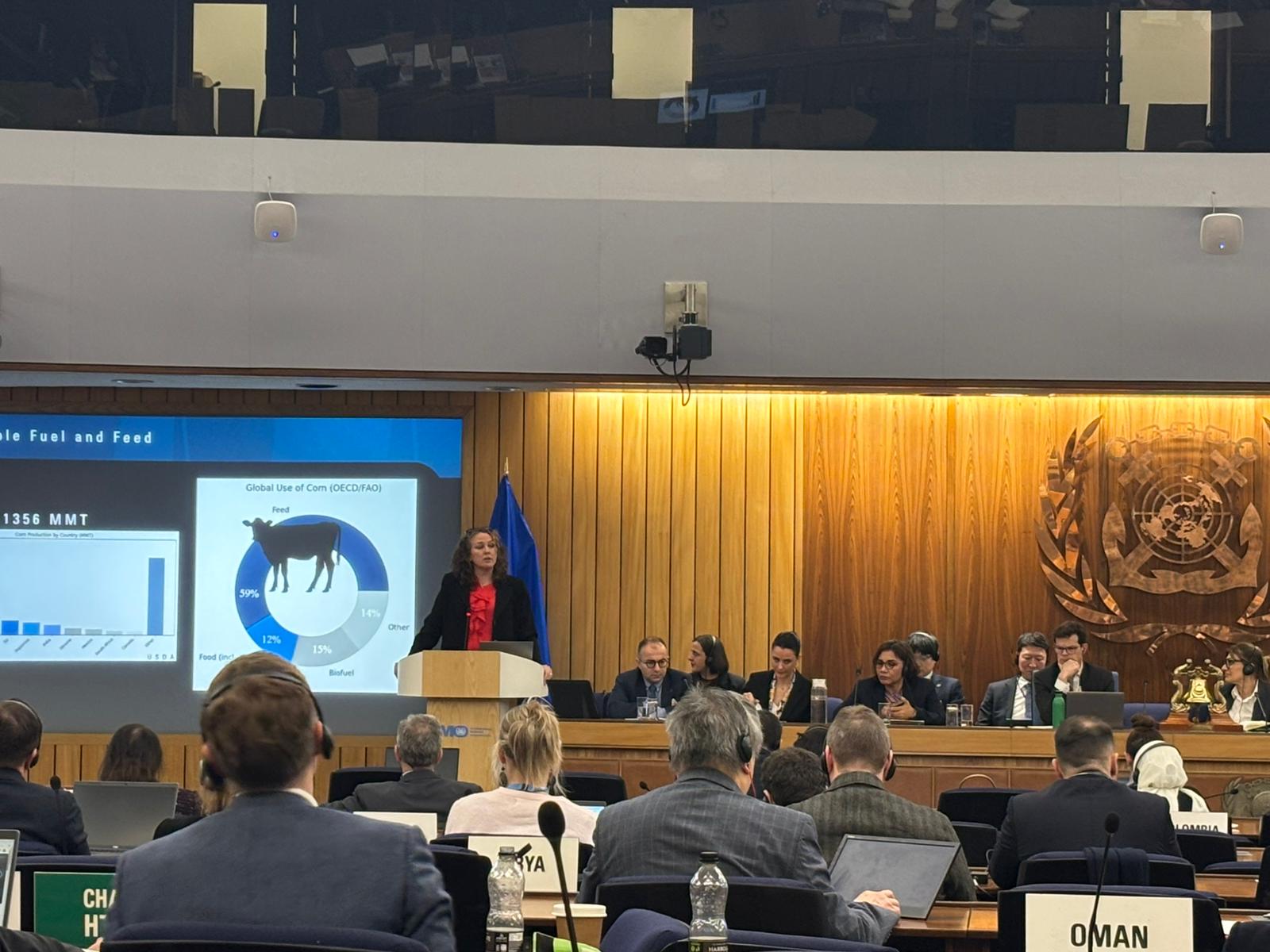
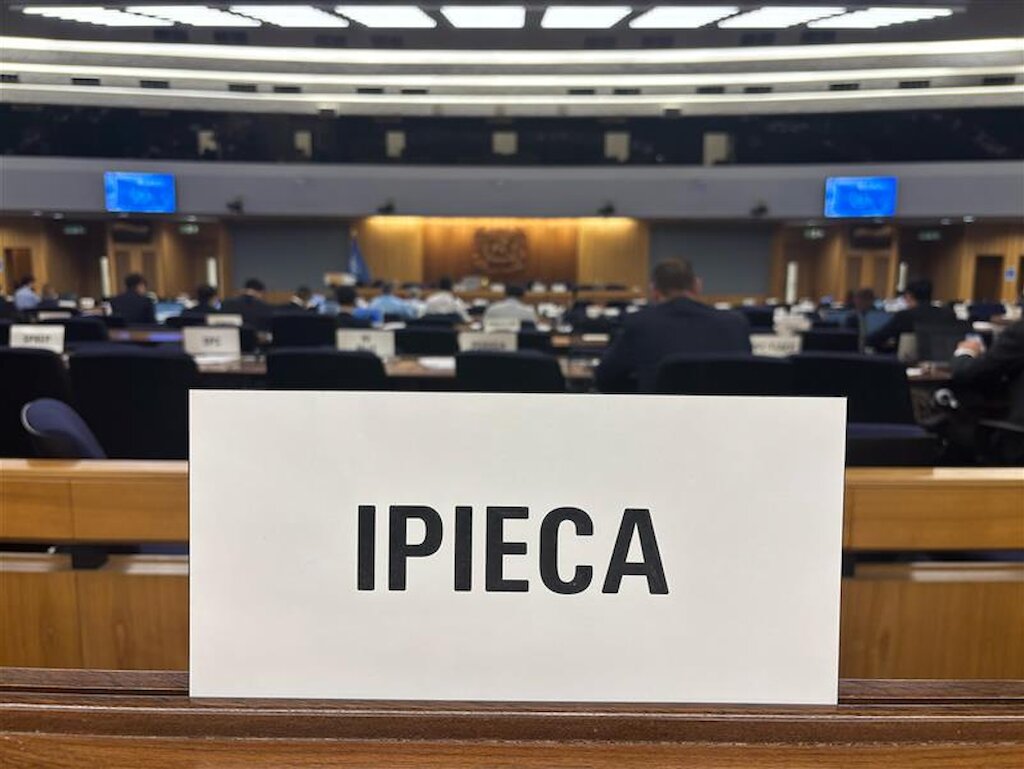
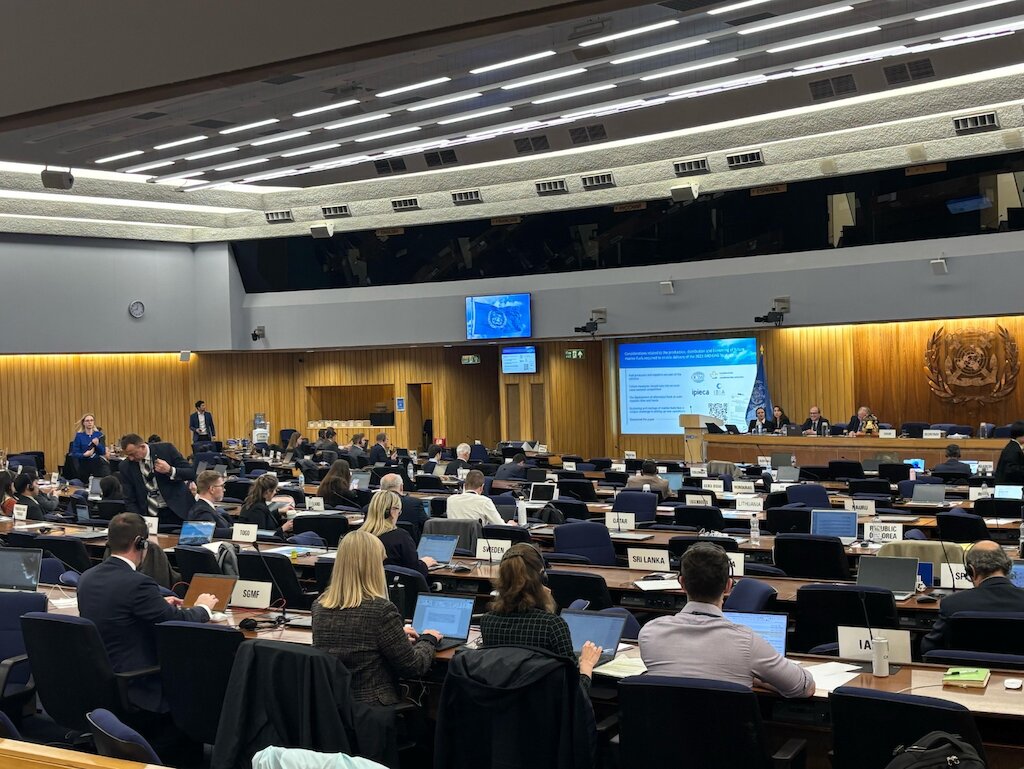
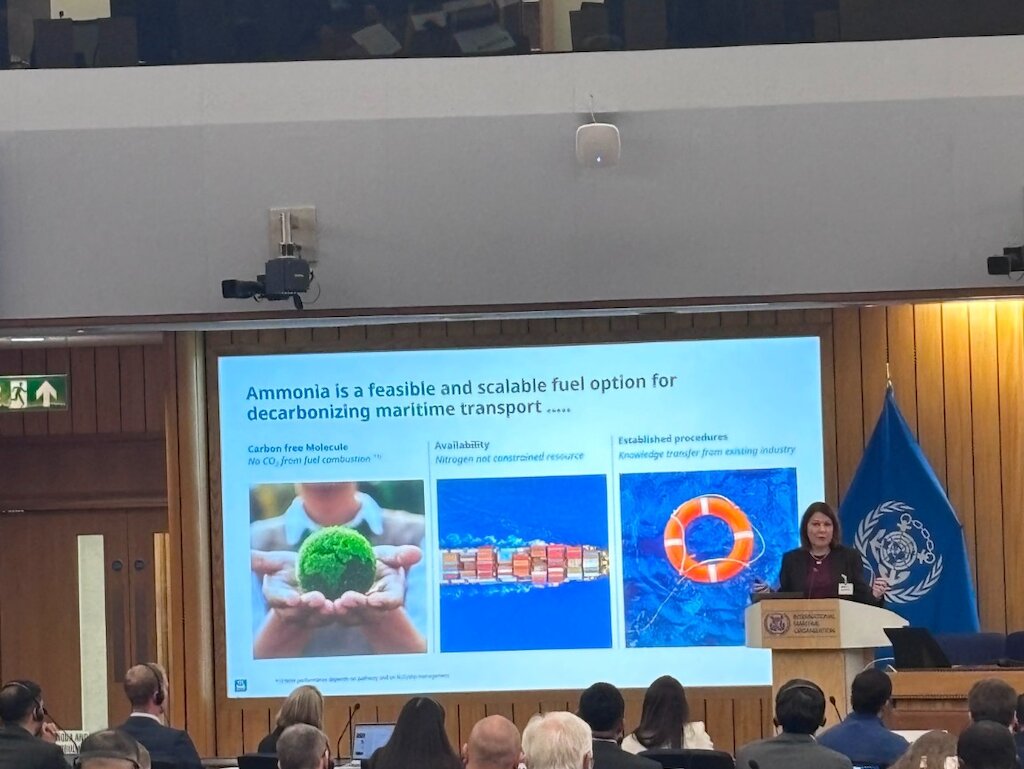
The International Maritime Organization (IMO), through its Future Fuels and Technology (FFT) Project, organised a technical seminar on marine biofuels. Ipieca delegates attended the seminar on the 12 February 2026 at IMO Headquarters in London.
As an observer of the IMO, Ipieca helps the IMO to assess the science surrounding proposed changes to the marine fuel developments , including marine spill and a GHG reduction focus. It also identifies ways to make cleaner marine fuels more readily available to ship owners around the world, whilst considering safety around the use of these fuels.
The seminar examined the current role, scalability and limitations of biofuels in maritime decarbonisation, with a focus on their relevance for the existing fleet.
Across the seminar, some key themes included:
- Biofuels are already being used in shipping and can contribute to near-term emissions reductions, particularly where retrofitting is not feasible
- Robust lifecycle assessment, sustainability criteria and certification are essential to ensure genuine GHG reductions and avoid unintended impacts, especially related to land use change
- Clear and harmonised regulatory, certification and reporting frameworks are critical to enable market scale‑up and maintain environmental integrity
Overall, biofuels were noted as a bridging solution within a technology neutral transition, complementary to the development of zero emission fuels.
Session 1: state of play in the use of biofuels
This session reviewed current deployment levels, climate performance and sustainability risks.
- Biofuel use in maritime transport is growing from a low base, supported by existing production capacity in other transport sectors
- Biofuels can deliver significant GHG reductions, but outcomes vary widely depending on feedstocks, agricultural practices and system boundaries
- Indirect land use change (ILUC) was identified as a key risk, particularly for crop-based biofuels, highlighting the need for global level safeguards, caps or exclusions for high-risk pathways, and stronger additionality requirements
Session 2: biofuels production and certification
This session focused on supply pathways, scalability and certification challenges.
- Different biofuel pathways (including liquid biofuels and bio‑derived gaseous fuels) vary significantly in availability, cost, infrastructure compatibility and emissions performance
- Certification systems play a central role in demonstrating sustainability, traceability and lifecycle emissions, but fragmentation across schemes remains a challenge
- National biofuel policies and mandates can enable rapid scale‑up, provided they are aligned with international lifecycle accounting principles and maritime safety requirements
Session 3: biofuels market dynamics and onboard experience
This session addressed practical implementation and operational experience.
- Operational trials and early commercial use show that biofuels can be used safely and reliably when fuel quality, compatibility and handling procedures are properly managed.
- Key challenges include fuel quality consistency, blend verification, traceability and documentation, particularly for drop-in fuels.
- Experience with biofuels also supports learning and readiness for new fuel types, such as bio‑derived alcohols, using existing infrastructure and operational practices.
Summary of seminar
The seminar concluded that biofuels are neither a long-term standalone solution nor a marginal option. They represent a necessary near-term tool to reduce emissions from the existing fleet, provided that strong sustainability criteria, lifecycle accounting and regulatory clarity are in place. Their role should be assessed as part of a broader, fuel agnostic transition pathway toward IMO’s long-term decarbonisation objectives.
For more information and links to the presentations, please visit the IMO webpage here.
With upcoming IMO meetings taking place in April 2026, Ipieca will continue to support the IMO’s work to decarbonise the maritime industry, providing technical expertise and industry guidance.