The fact sheet is part of a series which also includes:
- Characterisation
- Biomass-based diesel fuels
- Very low and ultra low sulphur fuel oils
- Condensates
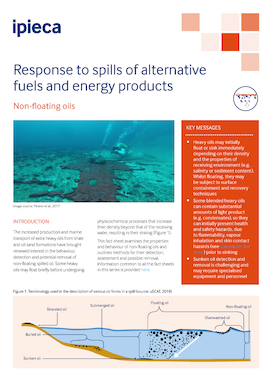
As we transition to a more sustainable future, alternative fuels and their associated products are becoming more prevalent in production, manufacturing and use. Their safe handling and prevention of spills is a priority.

This series of fact sheets explores water use and stewardship across technologies and value chains relevant to the energy transition. The series covers natural gas, liquefied natural gas (LNG), hydrogen, carbon capture and storage (CCS), and cooling systems.
This fact sheet explores key aspects of biofuels and explains the role of biofuels in the energy transition, outlining the main biofuel types, feedstocks and production pathways, as well as where and how biofuels are used across transport and other sectors. It also describes how biofuel sustainability is assessed.

This fact sheet highlights the role of CCS in the energy transition, how the oil and gas industry can support uptake of CCS carbon capture and storage (CCS) technologies, some case studies from Ipieca members, and looking ahead at how Ipieca will support future progress.

Ipieca works closely to support IMO work to decarbonise the maritime industry, providing technical expertise across a range of areas to identify good practices and develop industry guidance.