Ipieca’s industry leading good practice guidance and resources support oil, gas and alternative energy companies to advance their climate action, environmental responsibility, social performance and integrate sustainability across their operations and supply chains.
The filter below allows you to search for guidance and resources by theme, type, language and date as well as entering a search enquiry.

Dr. Tidjani Niass of Saudi Aramco will introduce and propose the circular carbon economy as a pragmatic, alternative development model based on a more efficient use of natural resources.
The application of Globally Harmonized System (GHS) criteria to petroleum substances, has now been revised to include new research on the hazards of petroleum-related substances and constituents.
Ipieca has partnered with the United Nations Development Programme (UNDP) and the International Finance Corporation (IFC) to develop a shared understanding of the implications of the UN SDGs for the oil and gas industry and how the industry can most effectively contribute.
A joint UNDP, IFC, Ipieca and ICMM side event summary
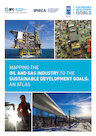
Ipieca has partnered with the United Nations Development Programme (UNDP) and the International Finance Corporation (IFC) to develop a shared understanding of the implications of the UN SDGs for the oil and gas industry and how the industry can most effectively contribute.
Optimized, effective waste management is integral to petroleum refinery operations. It helps minimize risk to both people and the environment, enhances resource utilization, and reduces costs.
This new Operating Management System Framework is designed to help companies define and achieve performance goals and stakeholder benefits, while managing the broad and significant range of risks inherent in the oil and gas industry.
In 2014, UNEP-WCMC (United Nations Environment Programme - World Conservation Monitoring Centre) and Ipieca, the global oil and gas industry association for environmental and social
Providing an overview of good practices and strategies, this practical document explores a range of key mercury management issues encompassing environmental controls, worker health and safety, process safety, product safety, waste management, and product stewardship.
Mittelplate oil field, operated by RWE Dea AG (Mittelplate Consortium: 50% RWE Dea AG and 50% Wintershall Holding GmbH)


