Ipieca’s industry leading good practice guidance and resources support oil, gas and alternative energy companies to advance their climate action, environmental responsibility, social performance and integrate sustainability across their operations and supply chains.
The filter below allows you to search for guidance and resources by theme, type, language and date as well as entering a search enquiry.

Ipieca has launched new guidance for companies on how to identify labour rights risks in their supply chains.

Ipieca and WBCSD are proud to introduce Accelerating action: an SDG Roadmap for the oil and gas industry and would like to invite you to a webinar to explore it in more detail.
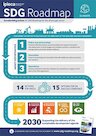
This infographic provides an overview of the impact opportunities related to the Climate theme, identified in 'Accelerating action: An SDG Roadmap for the oil and gas sector'.
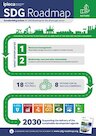
This infographic provides an overview of the impact opportunities related to the Nature theme, identified in 'Accelerating action: An SDG Roadmap for the oil and gas sector'.
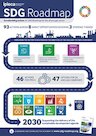
This infographic provides an overview of the priority SDGs and impact opportunities identified in the Roadmap, across the climate, nature and people themes.
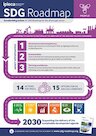
This infographic provides an overview of the impact opportunities related to the People theme, identified in 'Accelerating action: An SDG Roadmap for the oil and gas sector'.
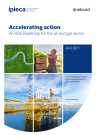
Accelerating action: an SDG Roadmap for the oil and gas sector (Roadmap) is an initiative led by Ipieca, the global oil and gas industry association for advancing environmental and social performance, in collaboration with the World Business Council for Sustainable Development (WBCSD).
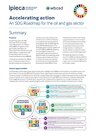
This summary provides an overview of the Roadmap's purpose, the impact opportunities where the sector can maximise its contributions to the Sustainable Development Goals (SDGs), and how the Roadmap can be implemented.
The results of Ipieca's annual Sustainability reporting survey are now available.

Changes to the energy system in line with the Paris Agreement, the drive toward a net-zero emissions future by 2050 and the increasing demand for energy, particularly in developing countries, will require massive shifts in investment flows, transforming all sectors of the global economy.


