Ipieca’s industry leading good practice guidance and resources support oil, gas and alternative energy companies to advance their climate action, environmental responsibility, social performance and integrate sustainability across their operations and supply chains.
The filter below allows you to search for guidance and resources by theme, type, language and date as well as entering a search enquiry.

This graphic recording provides an overview of the key messages from 'Zigzag to zero? Positive pathways to Paris: an industry, investor and civil society roundtable'.
This summary report provides an overview of the key messages from 'Zigzag to zero? Positive pathways to Paris: an industry, investor and civil society roundtable'.
The second edition of the Water management framework reflects the lessons learnt from members and stakeholders in the years since its original publication.
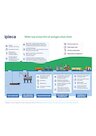
This infographic summarises the water and wastewater management uses in the oil and gas industry.
The latest paper in Ipieca's low-emissions pathways series provides an overview of hydrogen technology and areas of application, with a range of industry case studies.
On 2 November 2020, Ipieca held a virtual methane workshop. This report summarizes the presentations and discussions that took place during the workshop.
This joint Ipieca - UN Environment Programme World Conservation Monitoring Centre (UNEP-WCMC) report provides a summary of key drivers, challenges and opportunities for biodiversity and ecosystem services (BES) management in the oil and gas industry.

Ipieca, IOGP, GIE and MARCOGAZ have published a joint methane emissions glossary covering the entire natural gas value chain.

During this webinar, Matt Harrison of SLR Consulting and Dave Allen of the University of Texas at Austin, who co-authored the Methane Guiding Principles set of ten best practice guides, will provide an overview of their scope and content and demonstrate how operators can best make use of them.

Natural gas can have an important role to play in a low-emissions future, with clear benefits when compared with other fossil fuels, particularly in terms of climate impact and air quality improvements, if methane emissions are controlled across the gas value chain.


