Ipieca convenes industry and stakeholders to identify, develop and promote good practices in operations, joint ventures and the supply chain, covering a full spectrum of environmental issues including biodiversity and ecosystem services, water management, nature positive, impact assessment, circular economy, and marine spill preparedness and response. Ipieca aims to facilitate good environmental practices and advance efficient use of natural resources across the energy transition as oil and gas remains an important part of the energy mix.

Ipieca advances industry’s ability to manage its impact on the natural environment through restorative approaches and support for a circular economy, by promoting good practice, engaging internationally, collaborating across sectors, and sharing efforts to protect and restore nature.

Environmental stewardship
Since 1974, Ipieca has convened industry and stakeholders to work on a broad range of environmental topics associated with oil and gas operations. This allows Ipieca members to identify and address environmental risks and impacts, facilitate the sustainable use of natural resources and promote environmental good practice throughout the supply chain and across the energy transition.


This series of fact sheets explores water use and stewardship across technologies and value chains relevant to the energy transition. The series covers natural gas, liquefied natural gas (LNG), hydrogen, carbon capture and storage (CCS), and cooling systems.

The Ipieca-ICUN principles support energy companies and other stakeholders seeking to translate voluntary marine net positive impact ambition into credible, measurable and lasting gains for biodiversity and nature.

This webinar provides an overview of the guidance, its key recommendations and practical applications for the energy and infrastructure sectors. Through real-world examples from pipeline infrastructure and nuclear decommissioning, speakers share lessons learned, barriers overcome and opportunities for delivering circular outcomes at scale.

This report from Ipieca-Energy Institute-CIRIA helps companies integrate circular economy principles into every stage of an asset’s life cycle. It provides practical guidance, tools and examples to support the transition from linear approaches to more circular, resource-efficient ways of designing, building, operating and decommissioning assets.
Contributing to the Global Biodiversity Framework
The Global Biodiversity Framework (GBF), adopted by 196 Parties at the UN Convention on Biological Diversity (CBD) COP15 in 2022, represents the global biodiversity agenda for the next decade and the common ground across societal sectors to enact positive actions for halting and reversing nature degradation.
Increasing the circularity of production processes and products
Circular economy is a system solution framework that entails decoupling economic activity from the consumption of finite resources. Ipieca members work to increase the circularity of their production processes and products, producing the energy the world needs, while reducing impacts on natural resources and biodiversity, and cutting emissions.
Responsible water management across the value chain
Water quality and quantity is of global environmental concern, presenting risks and opportunities for the industry. The industry is committed to managing its consumption of water, working to protect the quality of water through project life cycles and contribute to SDG 5 – Clean water and sanitation.
Protecting and enhancing nature
Biodiversity is vital to ensuring healthy people and a healthy planet, providing the foundation for economic growth, human health and prosperity. Ipieca members are committed to supporting the aims of the UN Convention on Biological Diversity—which acts as an international framework of reference for biodiversity issues.
Ipieca launches water in the energy transition fact sheets
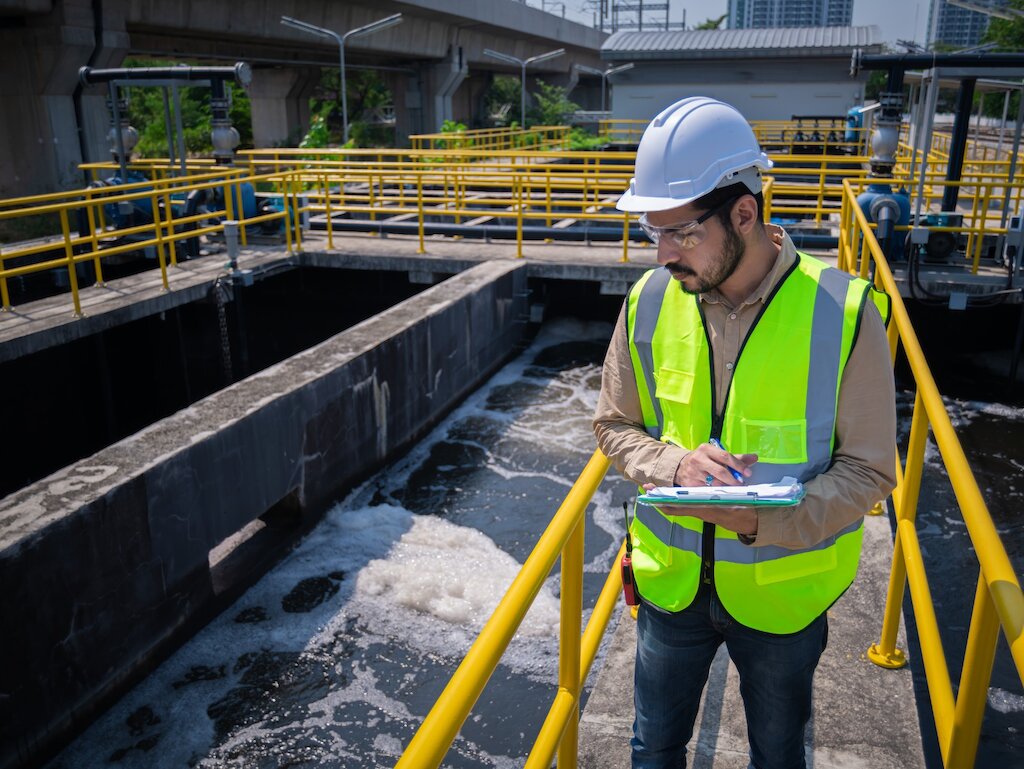
Ipieca has launched a series of five fact sheets exploring water use and stewardship across technologies and value chains relevant to the energy transition. The series covers natural gas, liquefied natural gas, hydrogen, carbon capture and storage, and cooling systems.
Ipieca and IUCN launch principles for marine net positive impact
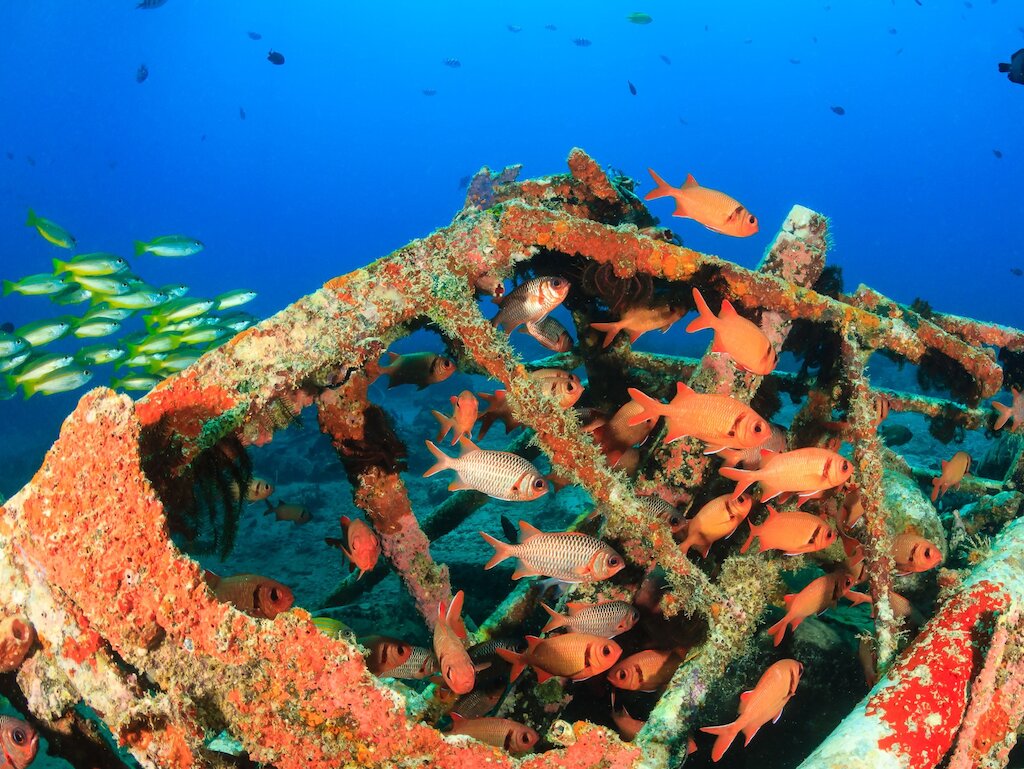
Ipieca and IUCN have launched the Principles for marine net positive impact, supporting energy companies and other stakeholders seeking to translate voluntary marine net positive impact ambition into credible, measurable and lasting gains for biodiversity and nature.
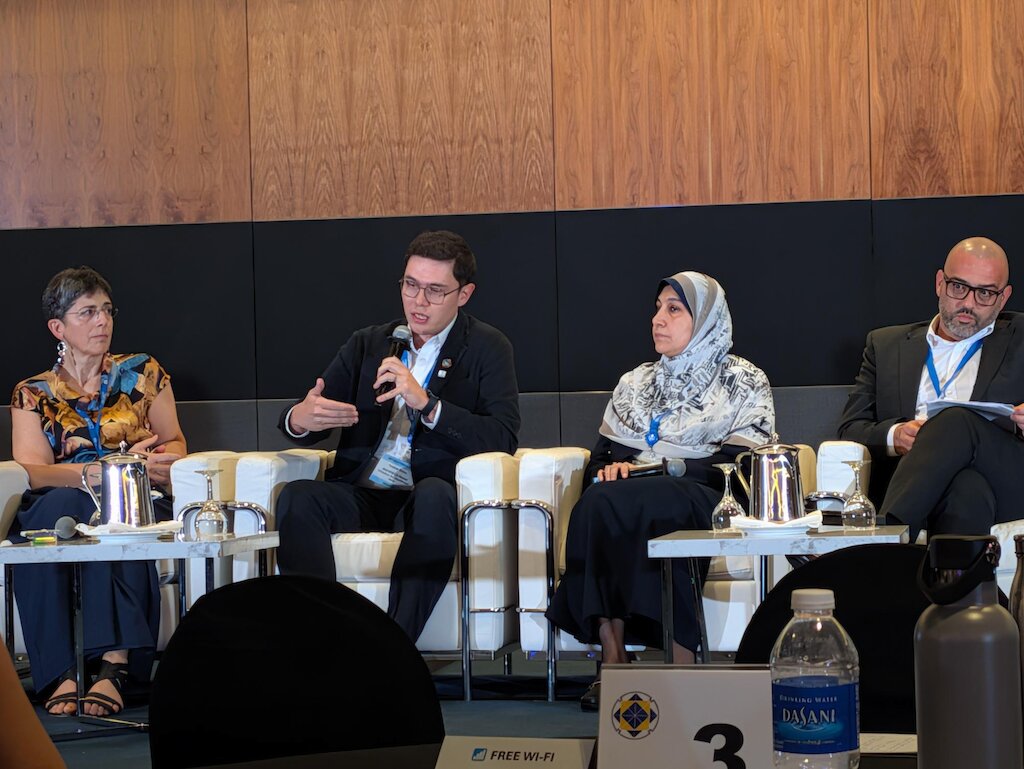
Ipieca insights from the IMO Research and Development Forum
Held in Singapore from 21-22 September, ahead of SpillAsia 2026, the IMO Research and Development (R&D) Forum brought together regulators, researchers, industry representatives and emergency responders from around the world to examine emerging preparedness and response challenges associated with the maritime energy transition.
SPE International Health, Safety, Environment, and Sustainability Conference and Exhibition 2027
IHSES 2026 will bring together global leaders, technical experts, and front-line practitioners to exchange lessons from the field, explore proven interventions, and discuss how artificial intelligence, automation, and digital assurance can enhance decision-making and strengthen risk management.
From guidance to action: embedding circularity across the life cycle of assets
Following the launch of the 'Embedding circularity across the life cycle of assets' guidance from the Energy Institute, CIRIA and Ipieca, this interactive workshop explores how organisations can turn circular economy principles into practical action across planning, design, delivery, operation and decommissioning.
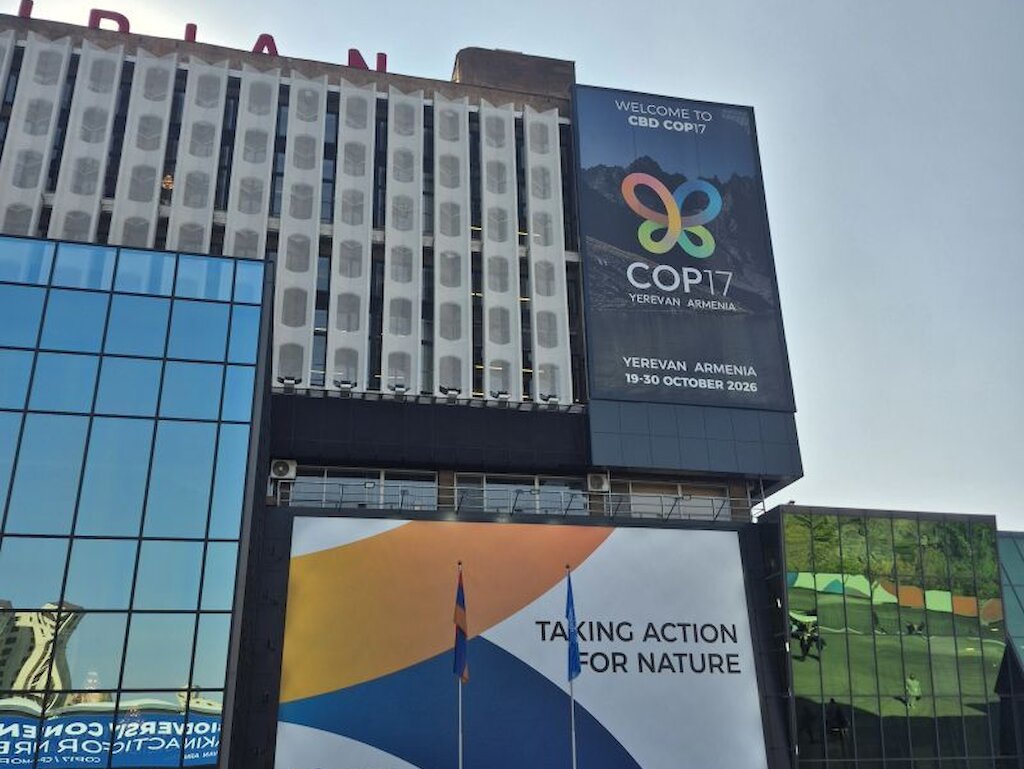
UNCBD COP17
Under the theme ‘Taking action for nature’, the UN Convention on Biological Diversity (UNCBD) COP17 will take stock of progress on the Kunming-Montreal Global Biodiversity Framework (GBF) adopted by nations at COP15. This first global review of collective progress draws on countries’ national biodiversity strategies, targets and reports, with COP17 supporting a whole of society approach to accelerating action on achieving the GBF targets to halt and reverse biodiversity loss.