Ipieca’s industry leading good practice guidance and resources support oil, gas and alternative energy companies to advance their climate action, environmental responsibility, social performance and integrate sustainability across their operations and supply chains.
The filter below allows you to search for guidance and resources by theme, type, language and date as well as entering a search enquiry.
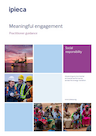
Undertaking ‘meaningful engagement’ not only enables companies to meet regulatory guidelines and international standards, but also build robust, constructive and reciprocal relationships with stakeholders.
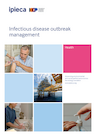
The oil and gas industry operates in many locations where people work, and often live together, in close quarters, such as offshore installations, ships, and remote camps. In these types of locations, infectious diseases can spread rapidly, affect workers, and disrupt operations. This guidance has been developed for local management and operations personnel working in these locations.
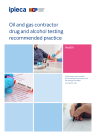
This recommended practice identifies key drug and alcohol programme elements and is intended for use by contractor companies and oil and gas industry owners and operators.

The increasing global movement of people and goods elevates the risk of the introduction, spread, and establishment of invasive alien species (IAS), impacting biodiversity and businesses. This document provides guidance for prevention and management.
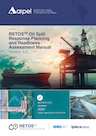
The Readiness Evaluation Tool for Oil Spills (RETOS™) aims to assist governments and companies in assessing their level of oil spill response planning and readiness management.
Oil and gas operations take place in many countries where the quality of medical services and specialities differs. It is therefore important for a company to assess local health facilities to ensure that they can provide optimal medical care for their workers.
This industry-specific document provides guidance on the prevention of food- and water-related diseases.
An Incident Management System (IMS) is essential to optimizing response times and efficiency, providing clarity in command and control, improving resource coordination and communications, and facilitating the cooperation and integration of responding organizations.
This document is aimed at those persons responsible for ensuring that oil spill contingency plans are practised and verified, providing guidance on constructing an exercise programme that is suitable for meeting an organization’s or facility’s requirements.
This document identifies the principal health and safety issues when an oil spill occurs, their degree of severity and the practical steps to minimize the impact of the spill.
Title Type Theme Published Download 
Meaningful engagement Good practice guidance People 25 Sep 2024 
Infectious disease outbreak management Good practice guidance People 05 Sep 2024 
Oil and gas contractor drug and alcohol testing recommended practice Good practice guidance People 29 Aug 2024 
Invasive alien species and the energy industry Good practice guidance Nature 17 Jul 2024 
Readiness evaluation tool for oil spills Good practice guidance Marine spill preparedness and response 09 Jul 2024 
Medical facilities assessment Good practice guidance People 07 Feb 2024 
Food and water safety in the oil and gas industry Good practice guidance People 10 Nov 2023 
Incident Management System for the oil and gas industry Good practice guidance Marine spill preparedness and response 10 Aug 2023 
Oil spill exercises Good practice guidance Marine spill preparedness and response 10 Aug 2023 
Oil spill responder health and safety Good practice guidance Marine spill preparedness and response 10 Aug 2023